Return
Larry Clark was 16 in 1962 when he and his friends started shooting Valo - a drug store nasal inhaler that contained a tremendous amount of amphetamine.
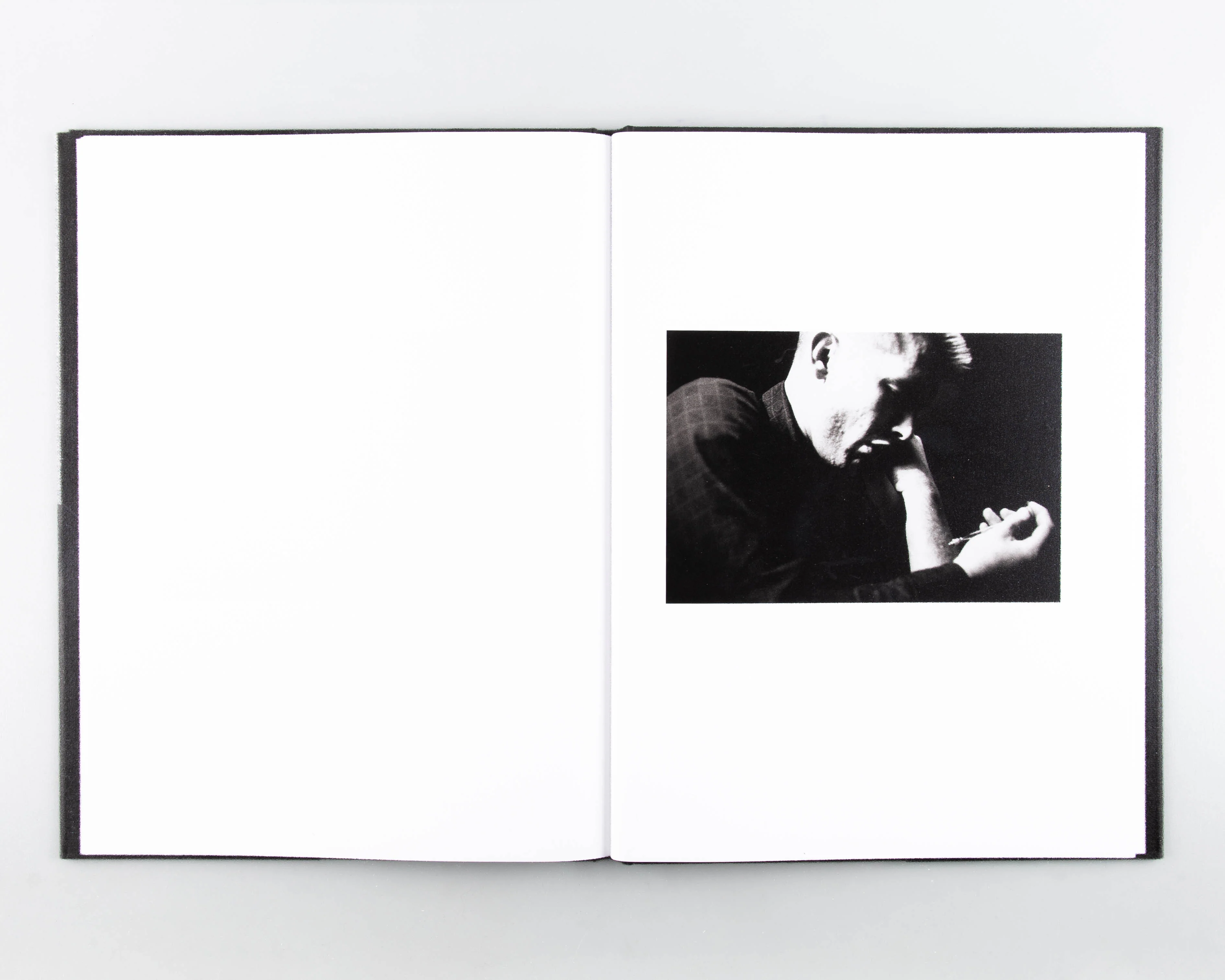
Clark returned to his hometown of Tulsa at 20 after two years serving in Vietnam. Here he graduated from amphetamines to heroin, and upended traditional documentary photography, by turning his camera on himself and his social circle, producing a ground-breaking series of raw and intimate photographs chronicling the disintegration of the American dream.
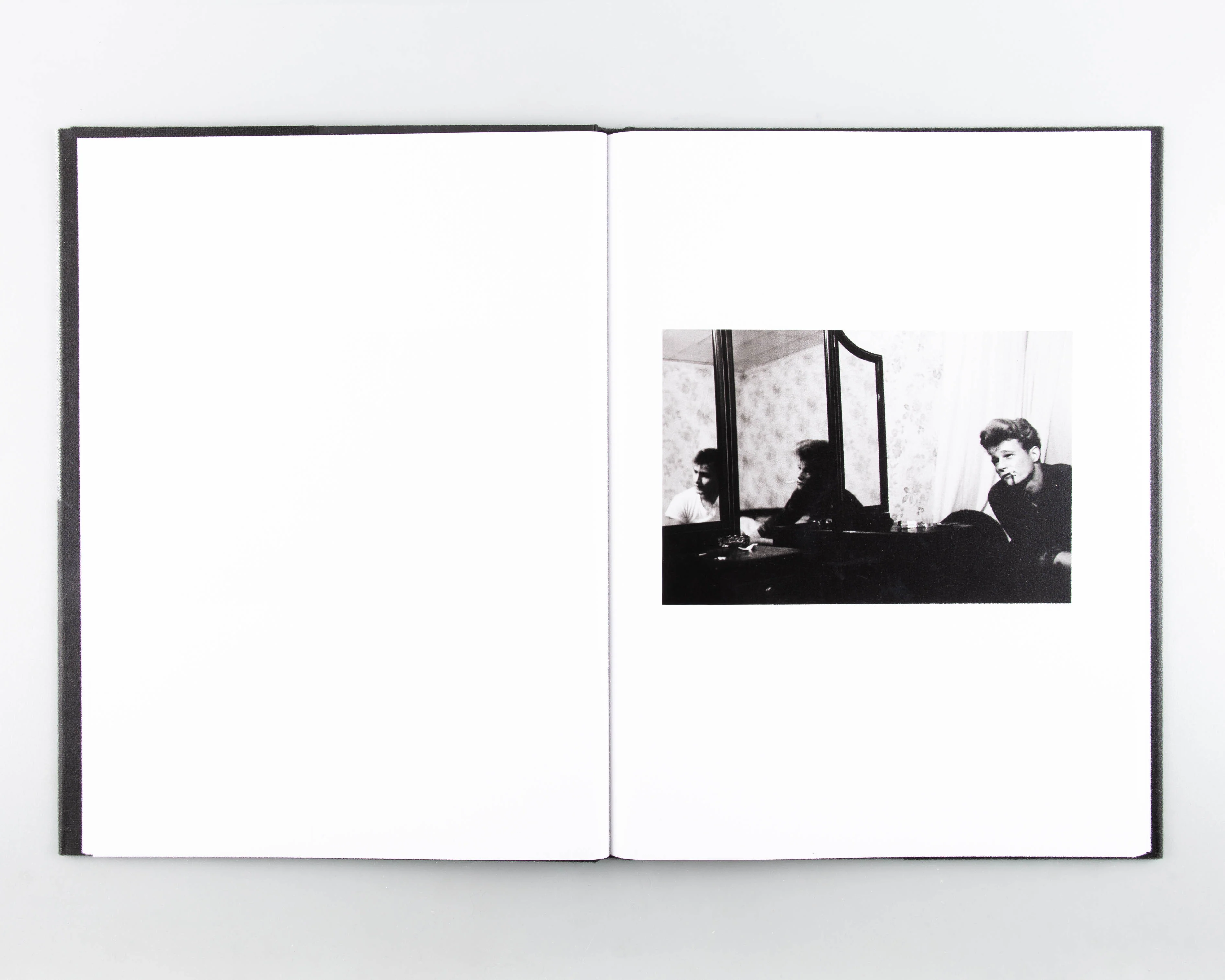
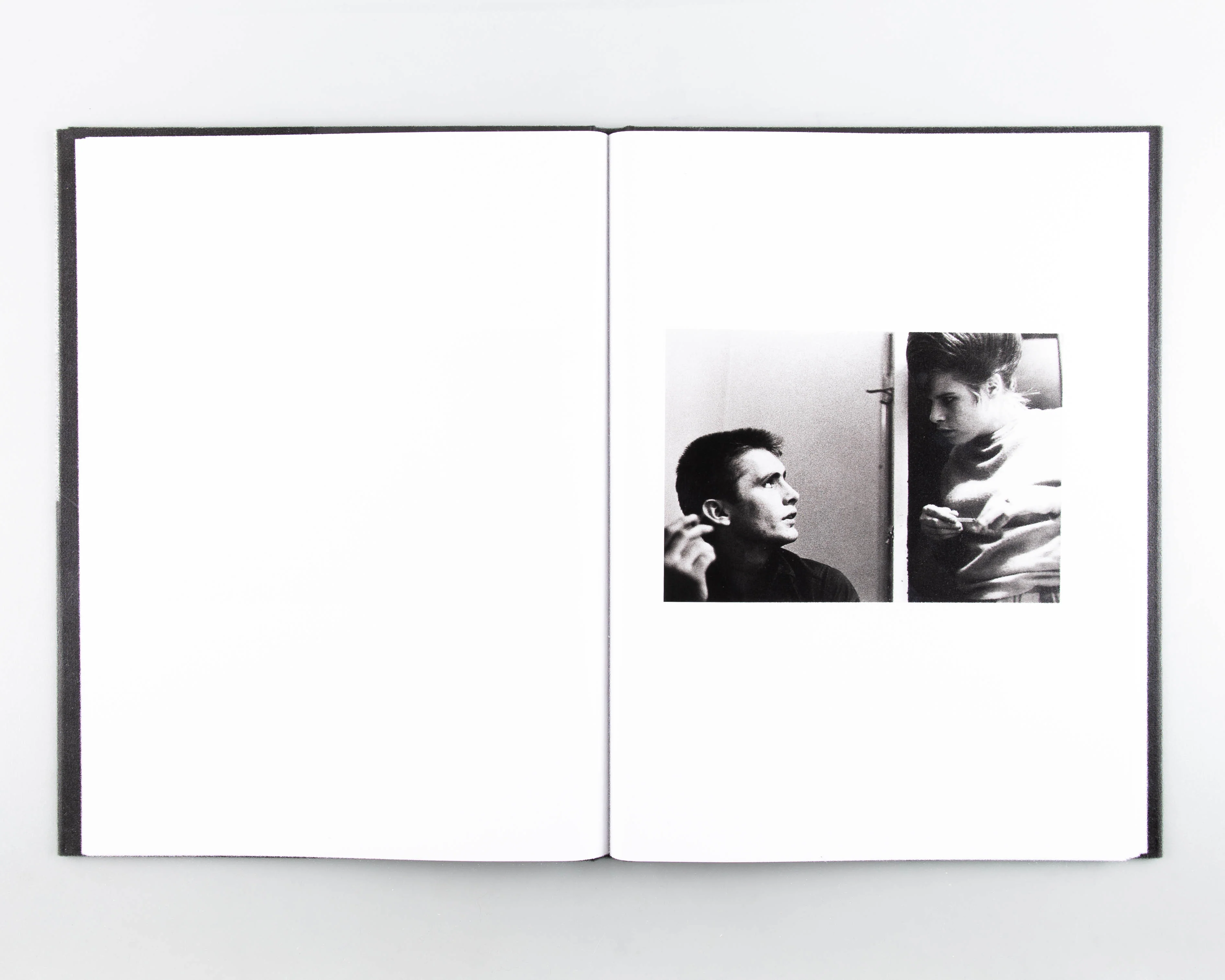
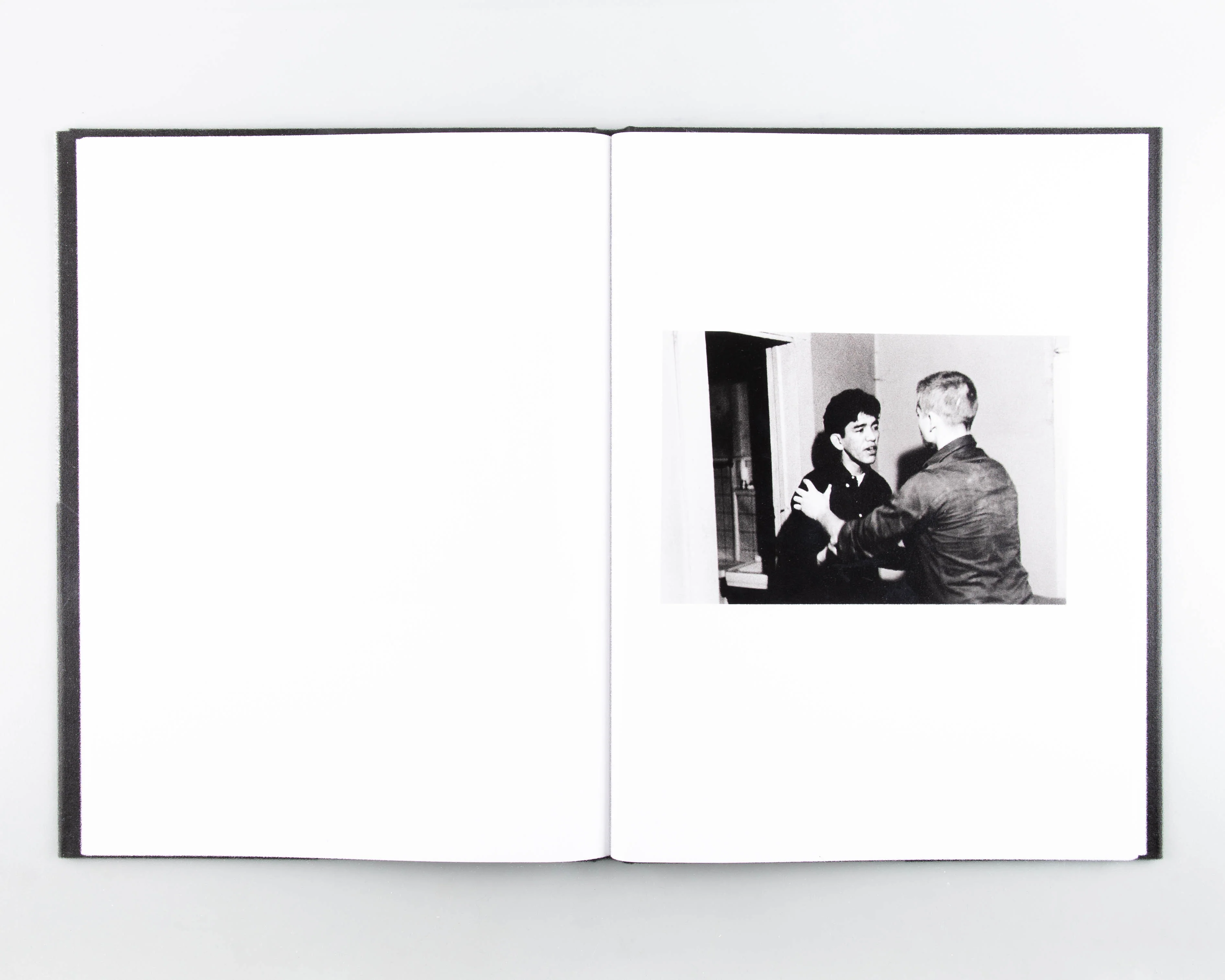
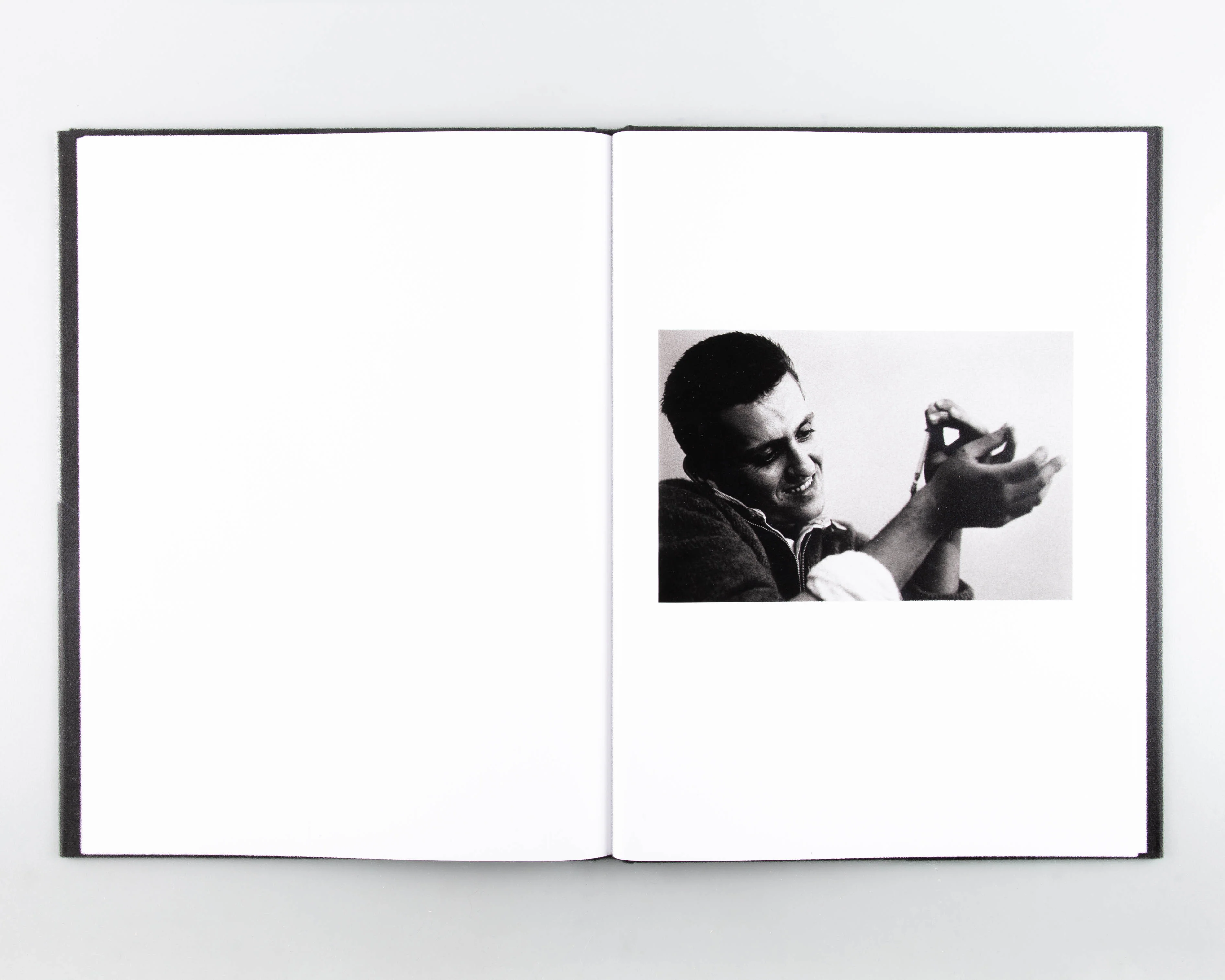
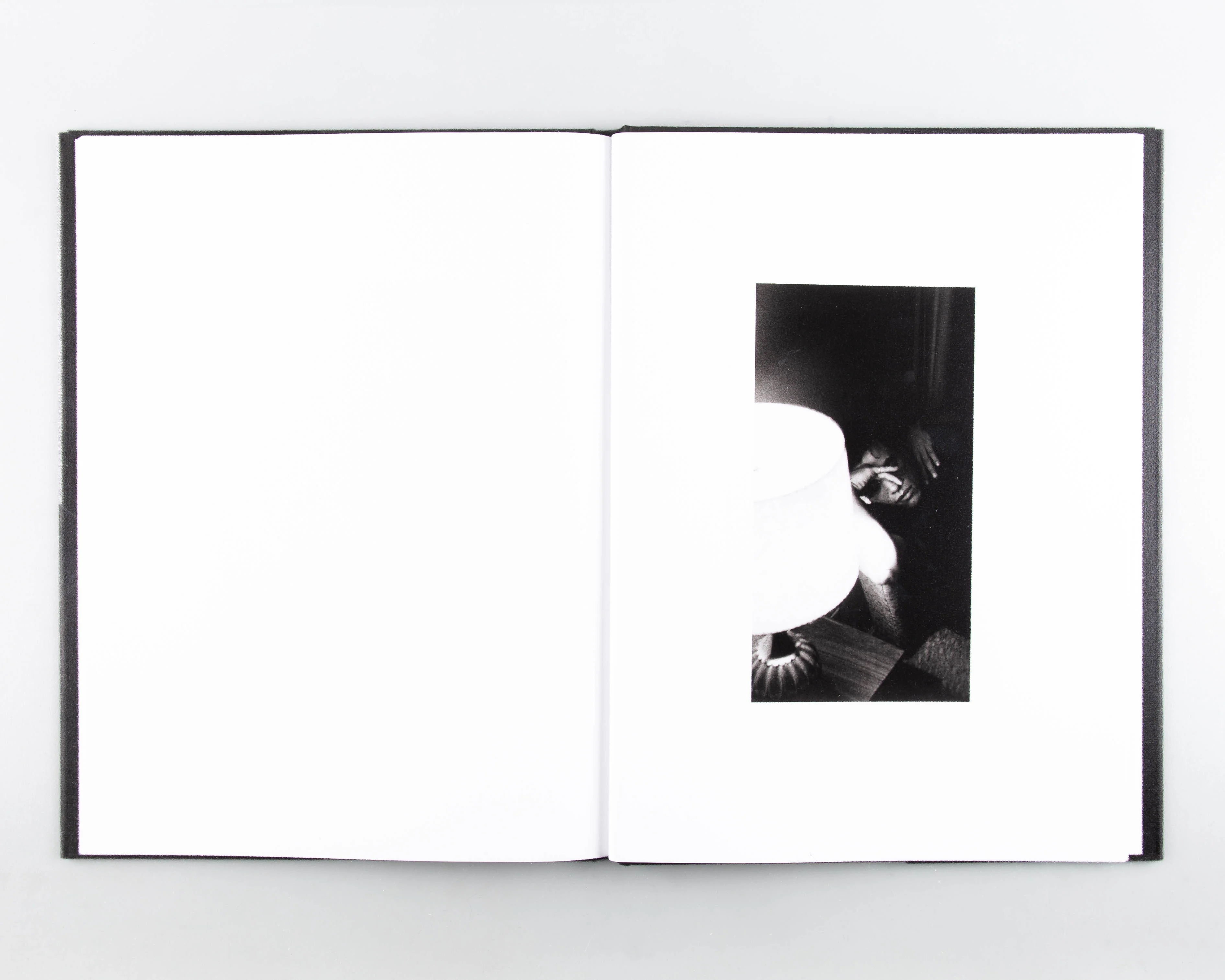
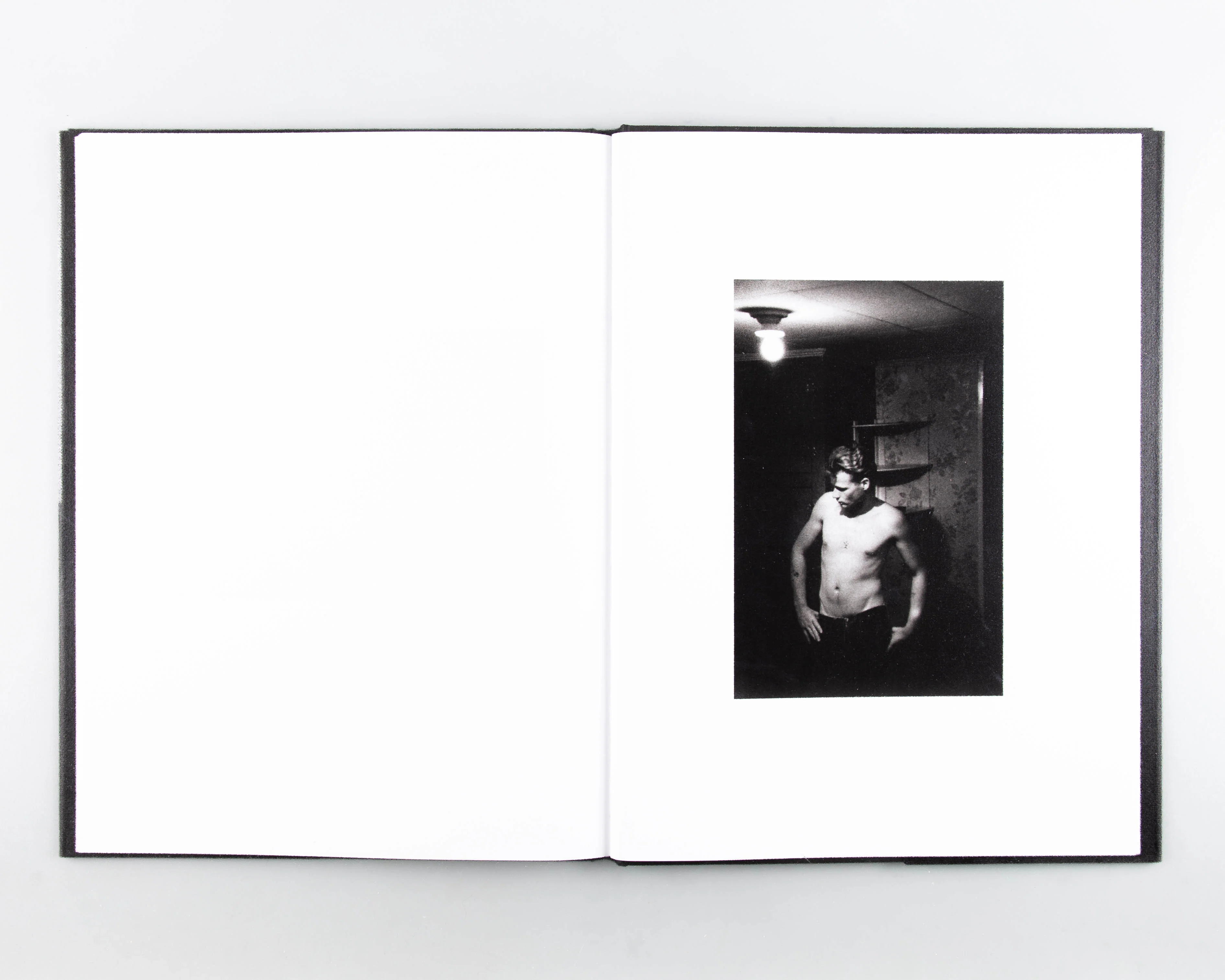
Clark’s deeply intimate images exposed the previously unseen lives of suburban American teenagers, living a transgressive, outlaw lifestyle, hanging out in crash pads and committing burglaries and armed robberies to score dope. A small number of these photographs would come to form ‘Tulsa’, a cornerstone of contemporary photography.
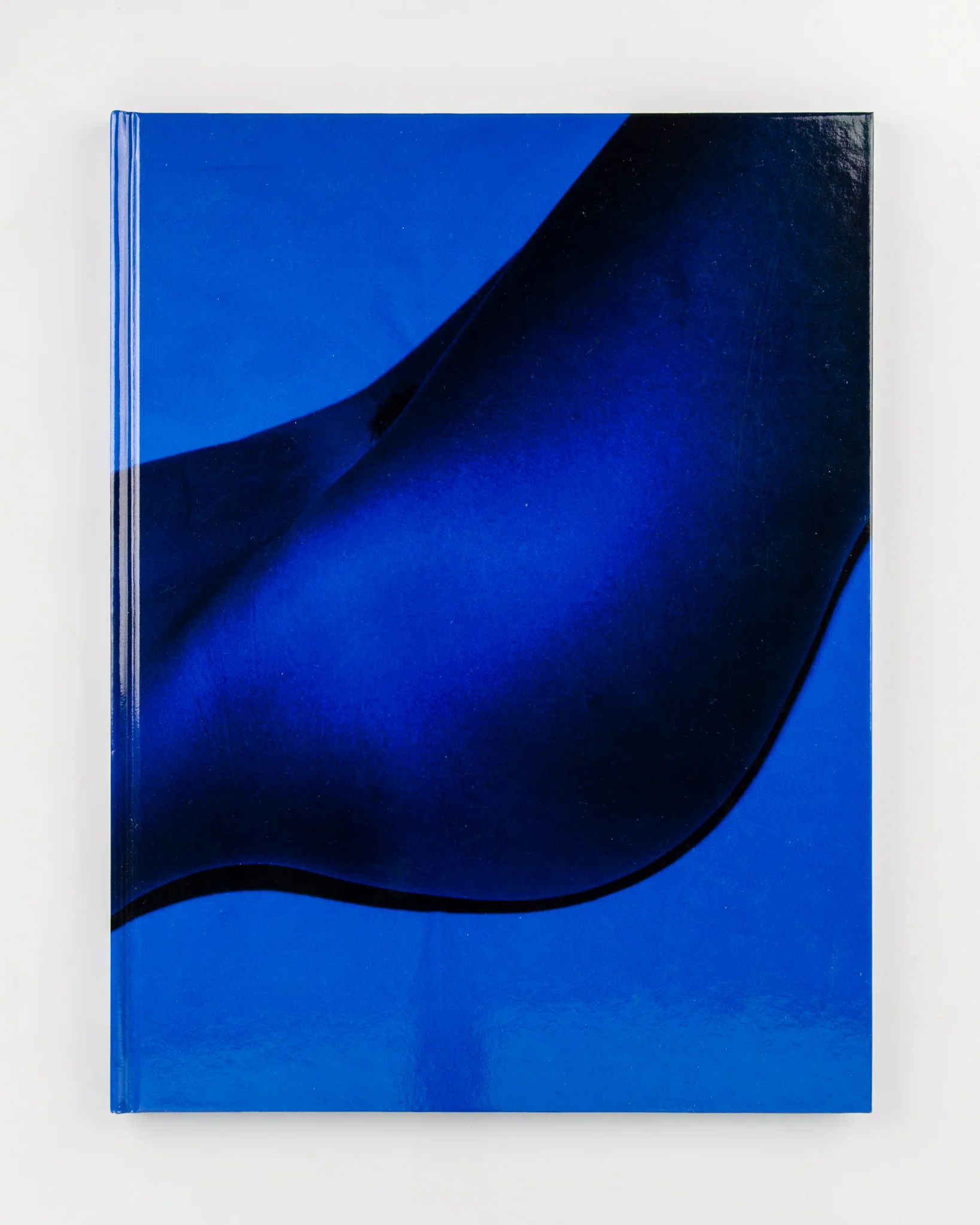
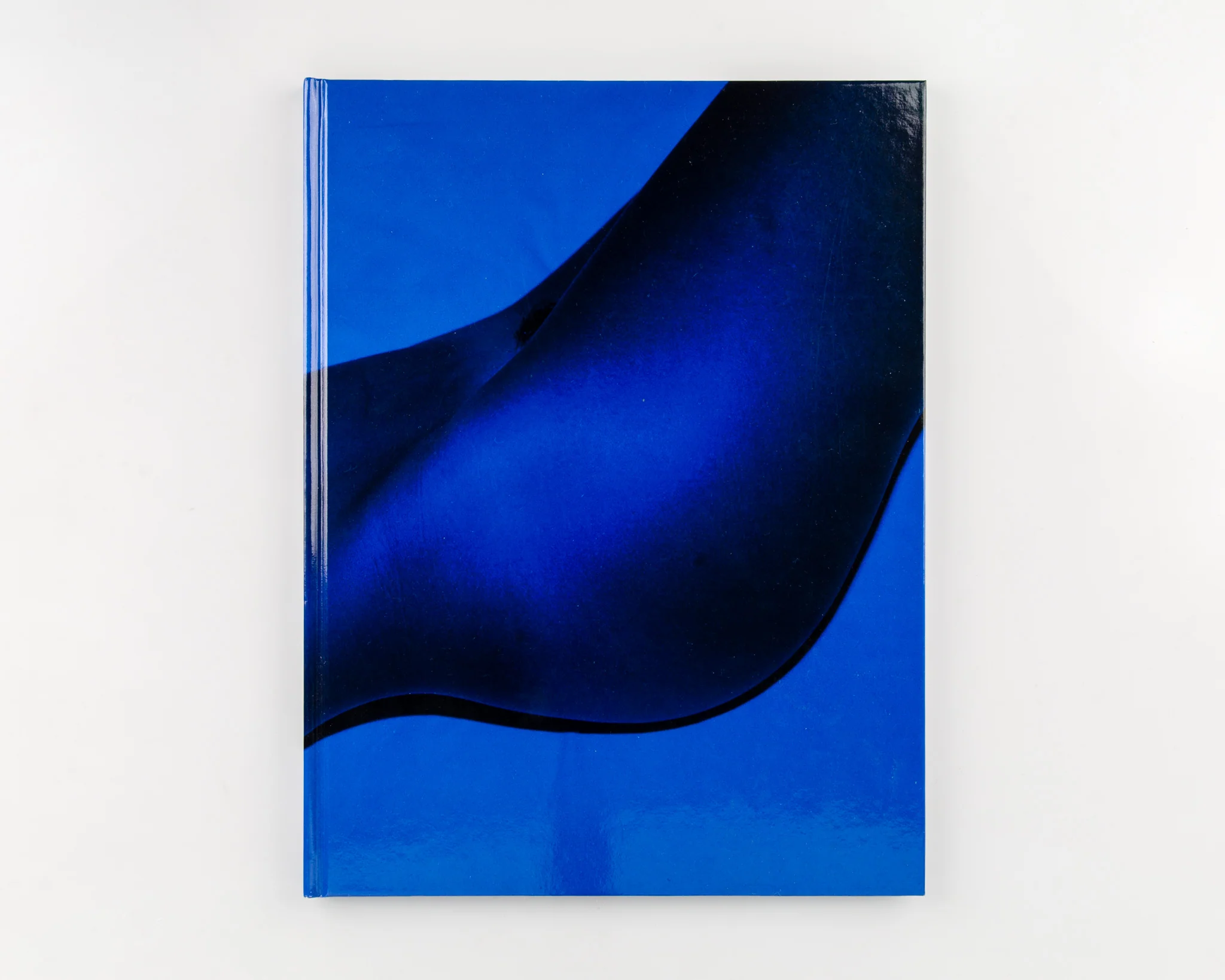
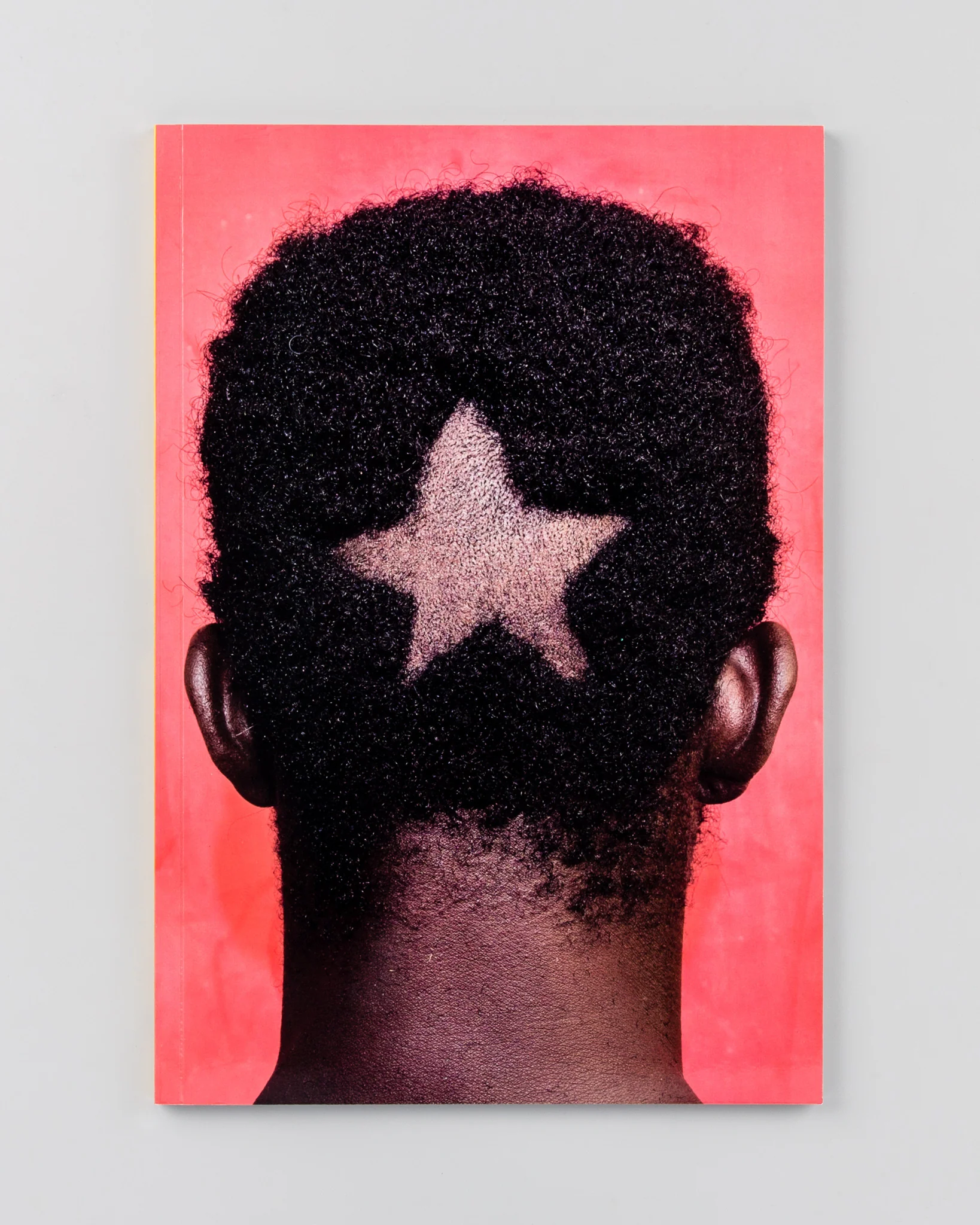
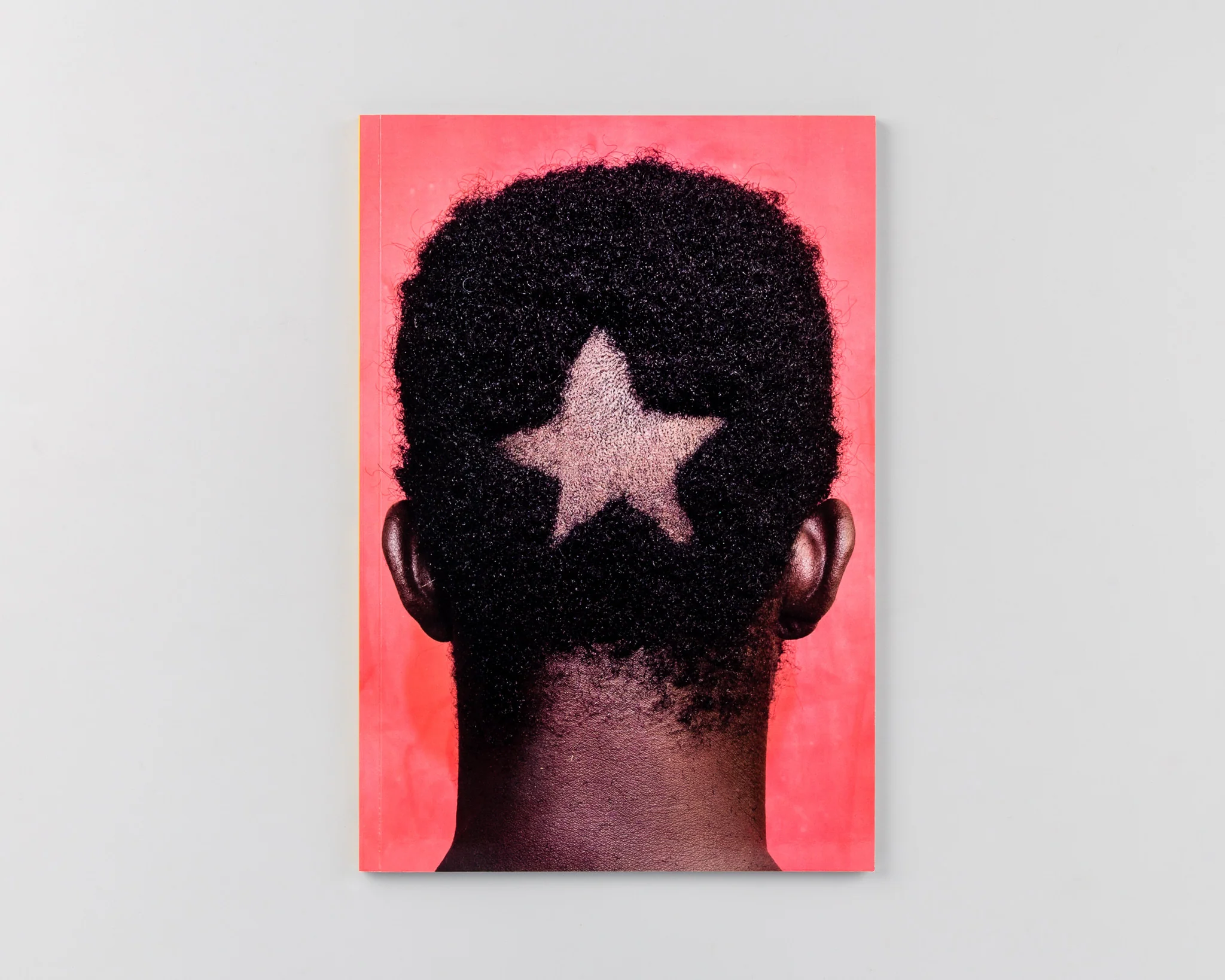
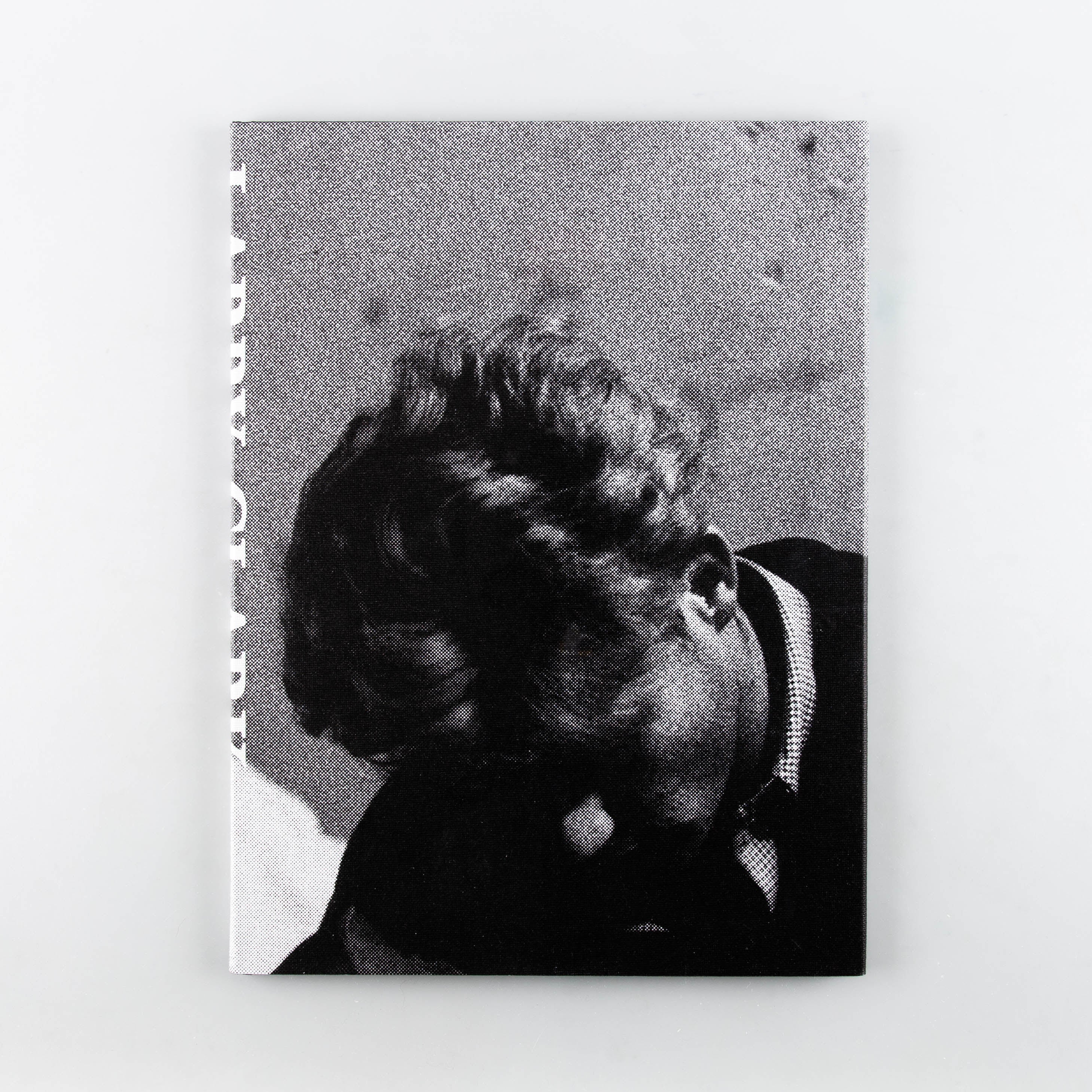
50 years on, Larry Clark has returned to his archive of vintage prints, crafting a powerful vision of his work from 1962-1973, to produce his new book ‘Return’, a meticulously printed, outsized monograph, which is as shocking today as it ever has been, even in a moment in which opioid addiction is more prevalent than ever before.
“I’ve always been interested in small groups of marginalized people who no one would know about otherwise. I photographed my friends over a ten-year period in this secret world that nobody else could have possibly come in and done except someone from the inside like me. You see us from the time we were teenagers up until our twenties and how everything changed and how we changed. There weren’t supposed to be drugs back then. It was supposed to be mom’s apple pie and white picket fences. When I started making work, I said, “Why can’t you show everything?” - Larry Clark
Original: $81.53
-65%$81.53
$28.54More Images

Return
Larry Clark was 16 in 1962 when he and his friends started shooting Valo - a drug store nasal inhaler that contained a tremendous amount of amphetamine.
Clark returned to his hometown of Tulsa at 20 after two years serving in Vietnam. Here he graduated from amphetamines to heroin, and upended traditional documentary photography, by turning his camera on himself and his social circle, producing a ground-breaking series of raw and intimate photographs chronicling the disintegration of the American dream.
Clark’s deeply intimate images exposed the previously unseen lives of suburban American teenagers, living a transgressive, outlaw lifestyle, hanging out in crash pads and committing burglaries and armed robberies to score dope. A small number of these photographs would come to form ‘Tulsa’, a cornerstone of contemporary photography.
50 years on, Larry Clark has returned to his archive of vintage prints, crafting a powerful vision of his work from 1962-1973, to produce his new book ‘Return’, a meticulously printed, outsized monograph, which is as shocking today as it ever has been, even in a moment in which opioid addiction is more prevalent than ever before.
“I’ve always been interested in small groups of marginalized people who no one would know about otherwise. I photographed my friends over a ten-year period in this secret world that nobody else could have possibly come in and done except someone from the inside like me. You see us from the time we were teenagers up until our twenties and how everything changed and how we changed. There weren’t supposed to be drugs back then. It was supposed to be mom’s apple pie and white picket fences. When I started making work, I said, “Why can’t you show everything?” - Larry Clark
Product Information
Product Information
Shipping & Returns
Shipping & Returns
Description
Larry Clark was 16 in 1962 when he and his friends started shooting Valo - a drug store nasal inhaler that contained a tremendous amount of amphetamine.
Clark returned to his hometown of Tulsa at 20 after two years serving in Vietnam. Here he graduated from amphetamines to heroin, and upended traditional documentary photography, by turning his camera on himself and his social circle, producing a ground-breaking series of raw and intimate photographs chronicling the disintegration of the American dream.
Clark’s deeply intimate images exposed the previously unseen lives of suburban American teenagers, living a transgressive, outlaw lifestyle, hanging out in crash pads and committing burglaries and armed robberies to score dope. A small number of these photographs would come to form ‘Tulsa’, a cornerstone of contemporary photography.
50 years on, Larry Clark has returned to his archive of vintage prints, crafting a powerful vision of his work from 1962-1973, to produce his new book ‘Return’, a meticulously printed, outsized monograph, which is as shocking today as it ever has been, even in a moment in which opioid addiction is more prevalent than ever before.
“I’ve always been interested in small groups of marginalized people who no one would know about otherwise. I photographed my friends over a ten-year period in this secret world that nobody else could have possibly come in and done except someone from the inside like me. You see us from the time we were teenagers up until our twenties and how everything changed and how we changed. There weren’t supposed to be drugs back then. It was supposed to be mom’s apple pie and white picket fences. When I started making work, I said, “Why can’t you show everything?” - Larry Clark