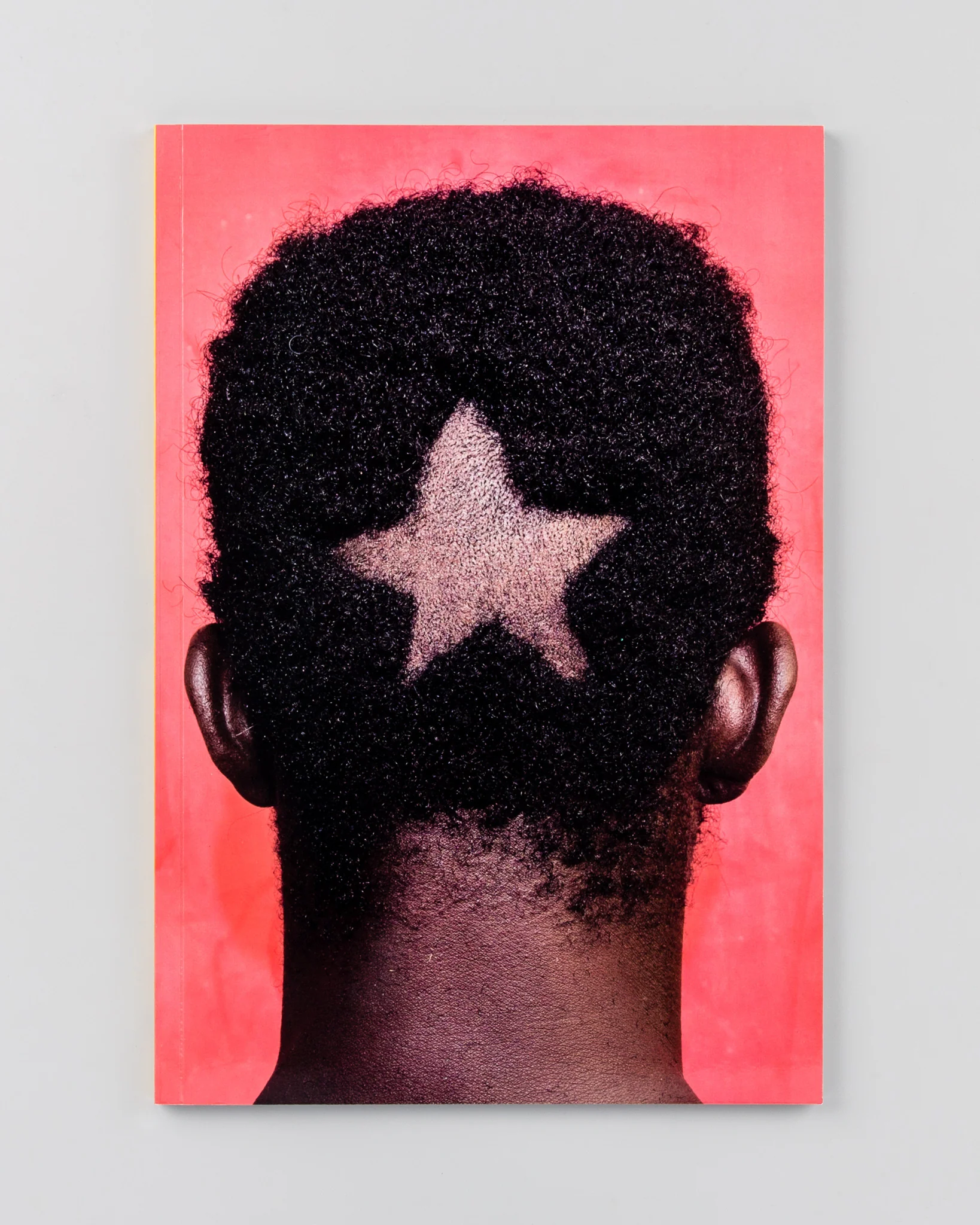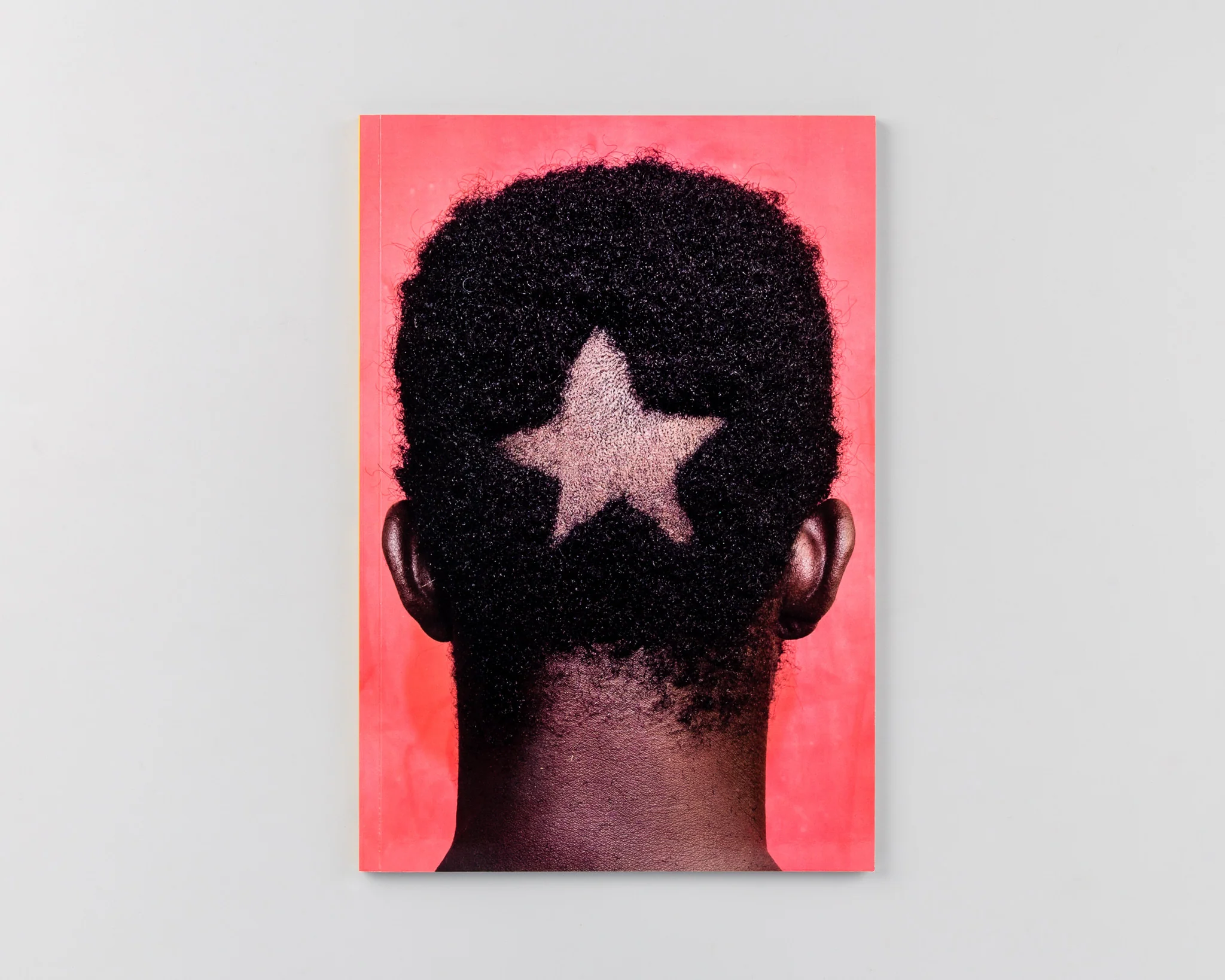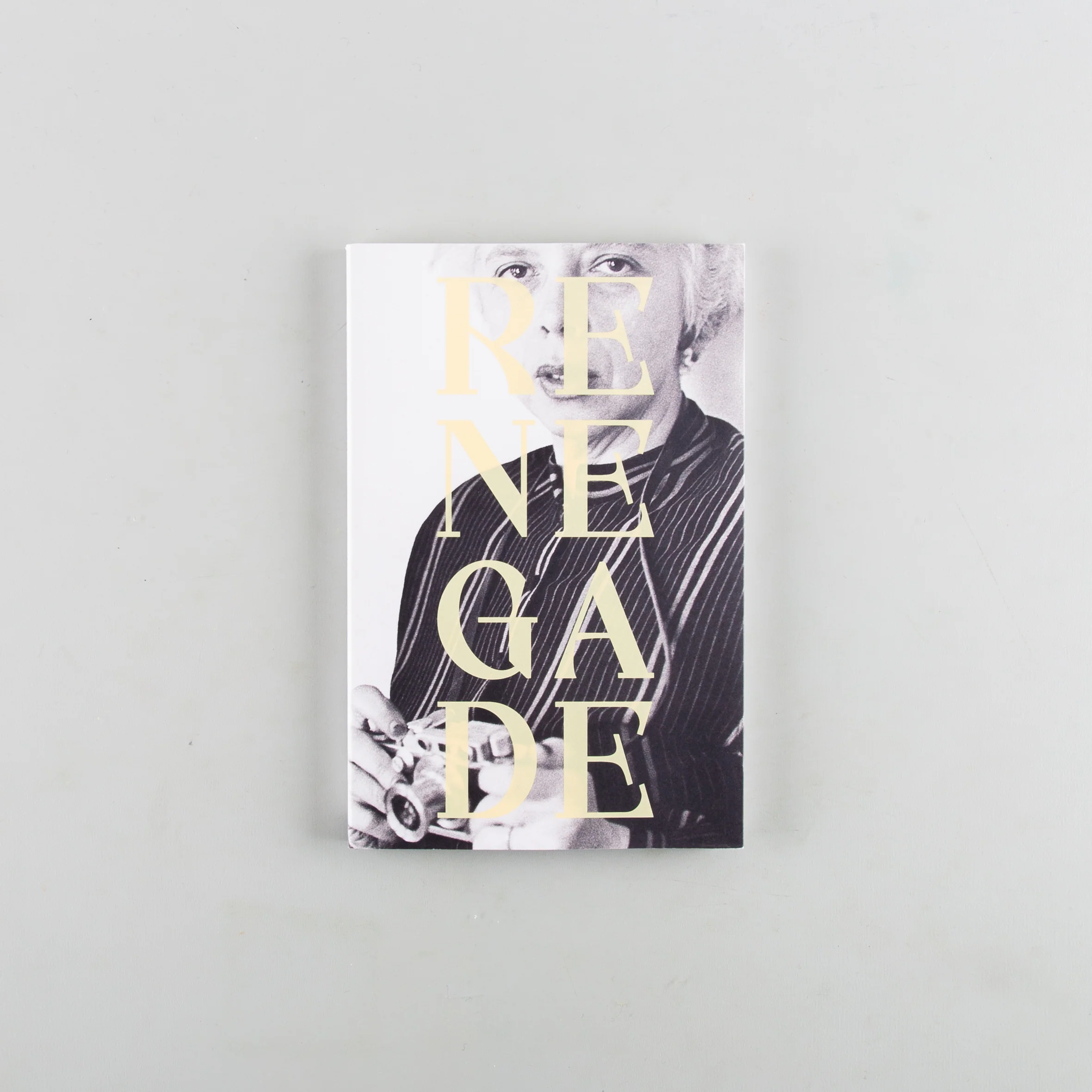
Renegade: Photography in the Life of Lisette Model
After arriving in New York in 1938, Austrian photographer Lisette Model quickly found stunning early success. Her photographs graced the pages of renowned magazines and were exhibited at the Museum of Modern Art. Their frank portrayals of ordinary Americans, captured in bars and restaurants, on the beach and in the streets, revolutionised the world of photography. Yet by 1950, Model had all but ceased to circulate her images, devoting herself instead to teaching a new generation of photographers, including Diane Arbus and Rosalind Fox Solomon. She gained the reputation, scandalous in business-like New York, of being ‘difficult’. In this illustrated essay, Duncan Forbes offers a new interpretation of Model’s photography and biography, asking whether the artist’s rebelliousness is not in fact the key to understanding her remarkable life and work.
Renegade: Photography in the Life of Lisette Model
After arriving in New York in 1938, Austrian photographer Lisette Model quickly found stunning early success. Her photographs graced the pages of renowned magazines and were exhibited at the Museum of Modern Art. Their frank portrayals of ordinary Americans, captured in bars and restaurants, on the beach and in the streets, revolutionised the world of photography. Yet by 1950, Model had all but ceased to circulate her images, devoting herself instead to teaching a new generation of photographers, including Diane Arbus and Rosalind Fox Solomon. She gained the reputation, scandalous in business-like New York, of being ‘difficult’. In this illustrated essay, Duncan Forbes offers a new interpretation of Model’s photography and biography, asking whether the artist’s rebelliousness is not in fact the key to understanding her remarkable life and work.
Product Information
Product Information
Shipping & Returns
Shipping & Returns
Description
After arriving in New York in 1938, Austrian photographer Lisette Model quickly found stunning early success. Her photographs graced the pages of renowned magazines and were exhibited at the Museum of Modern Art. Their frank portrayals of ordinary Americans, captured in bars and restaurants, on the beach and in the streets, revolutionised the world of photography. Yet by 1950, Model had all but ceased to circulate her images, devoting herself instead to teaching a new generation of photographers, including Diane Arbus and Rosalind Fox Solomon. She gained the reputation, scandalous in business-like New York, of being ‘difficult’. In this illustrated essay, Duncan Forbes offers a new interpretation of Model’s photography and biography, asking whether the artist’s rebelliousness is not in fact the key to understanding her remarkable life and work.