Leonard Freed: Police Work
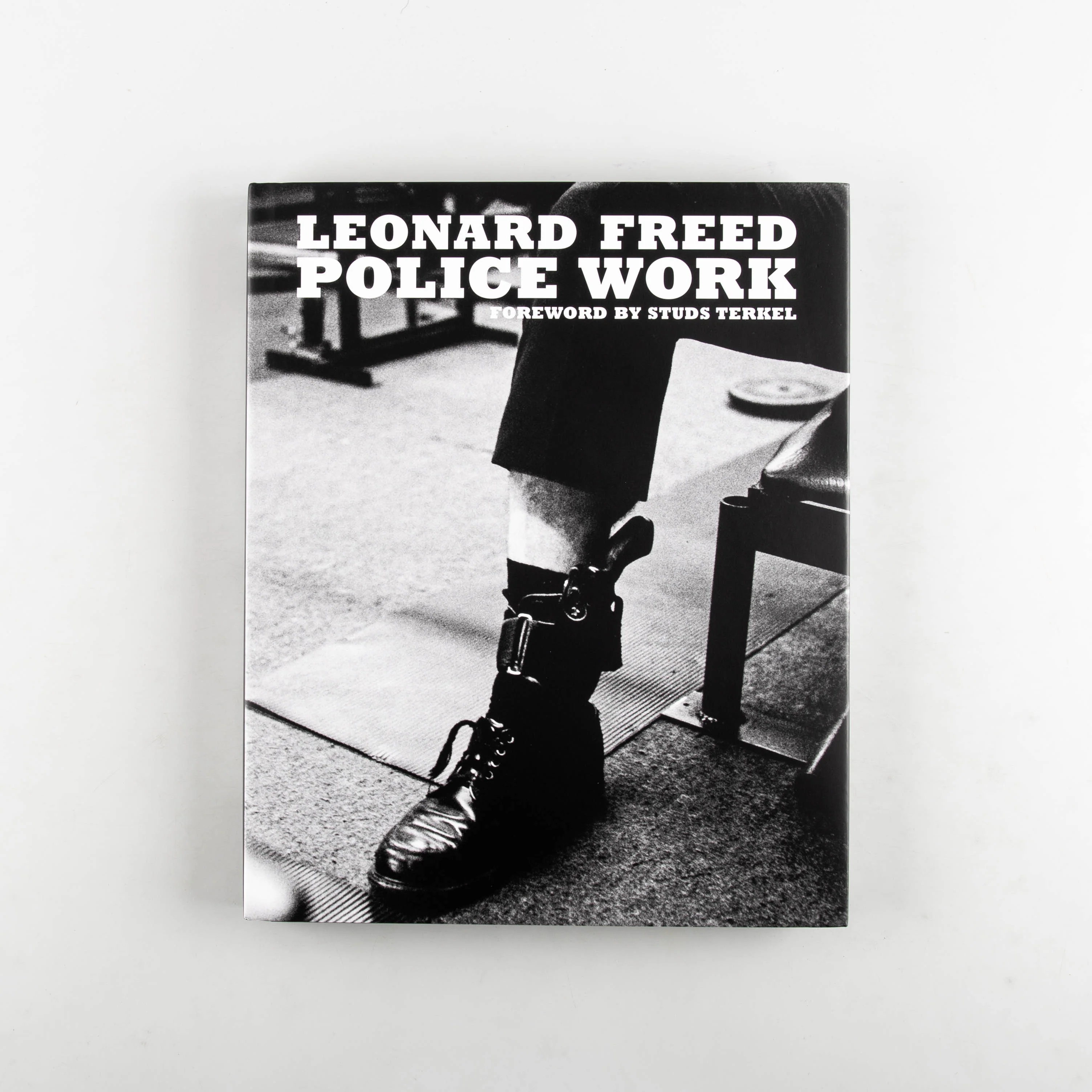
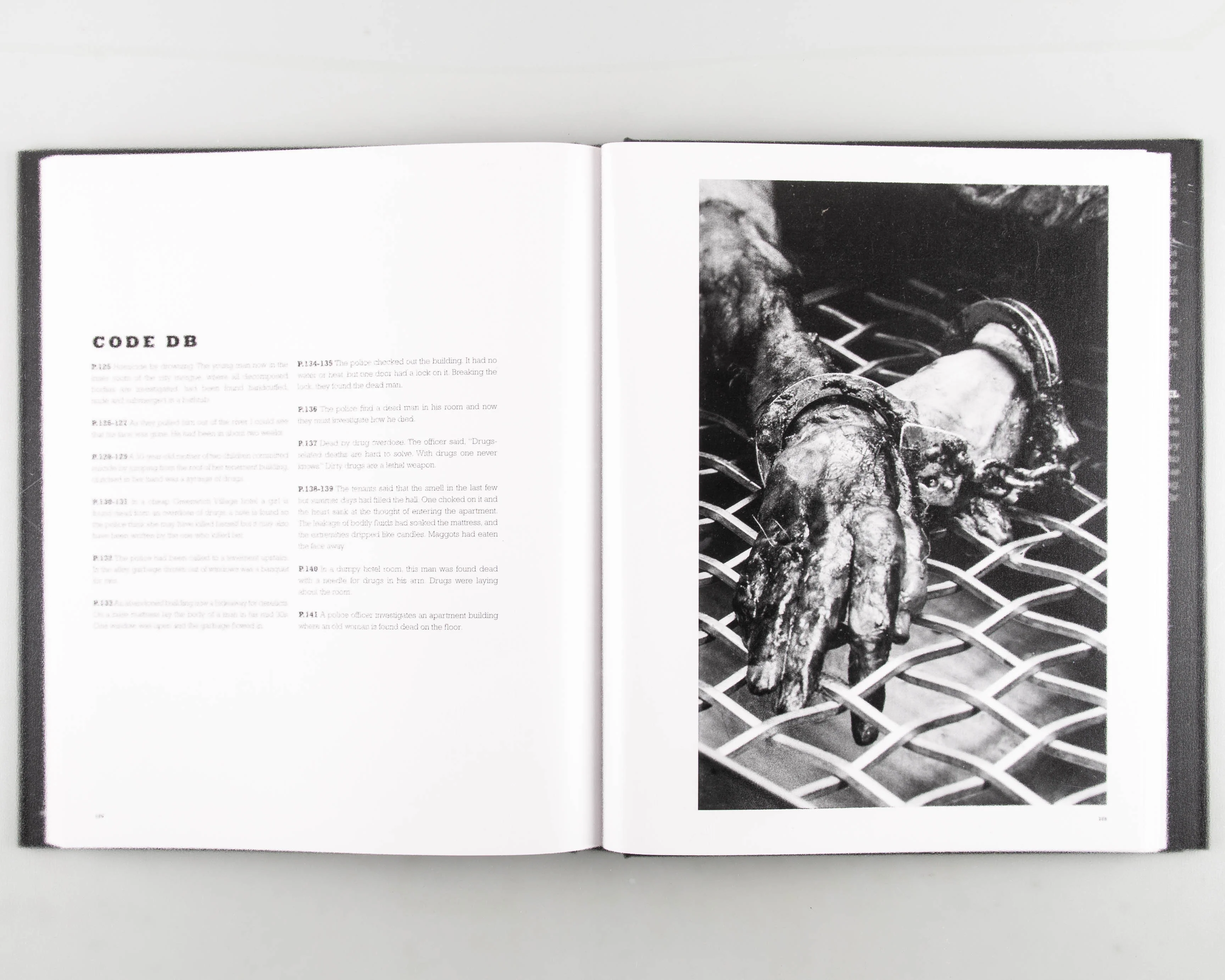
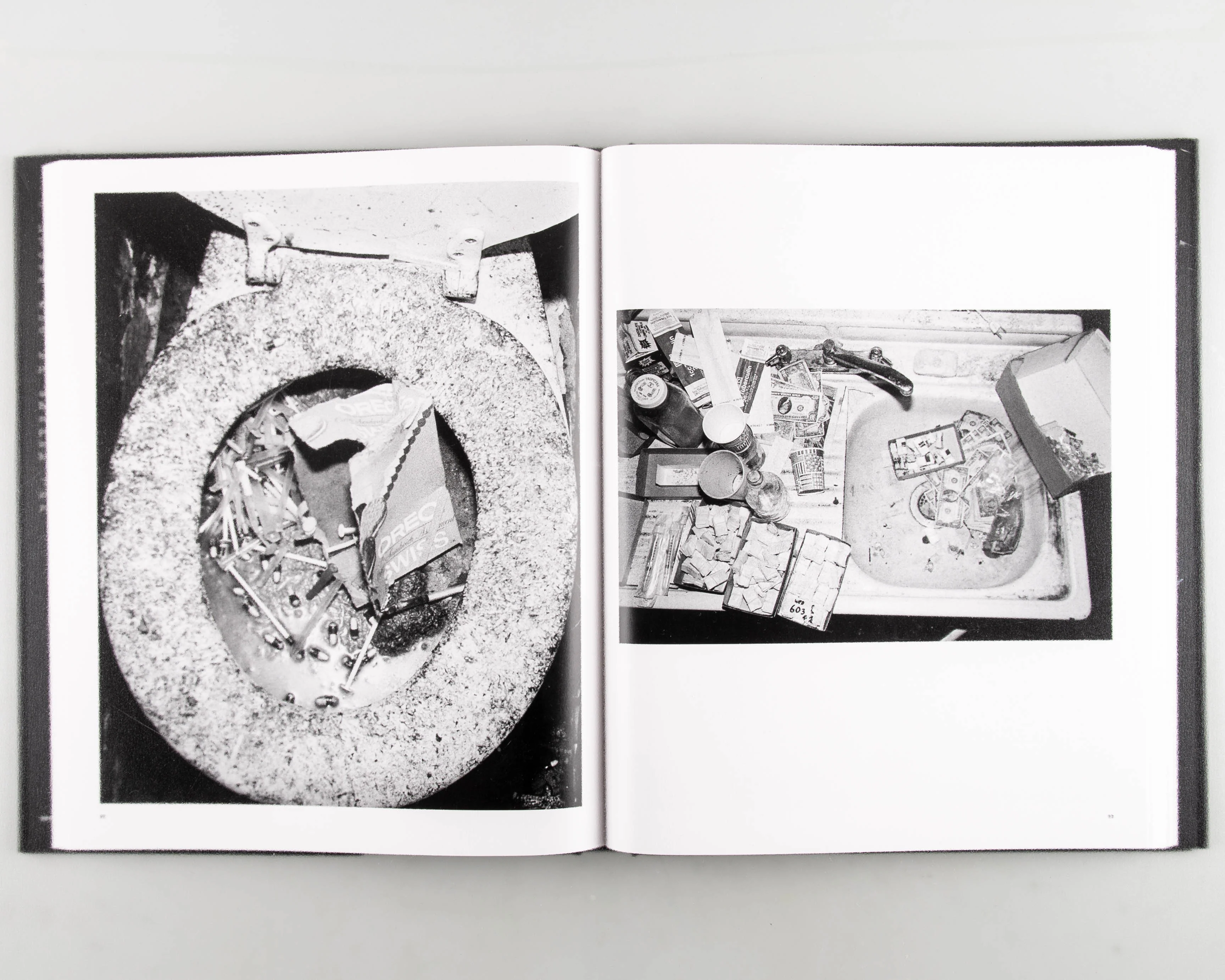
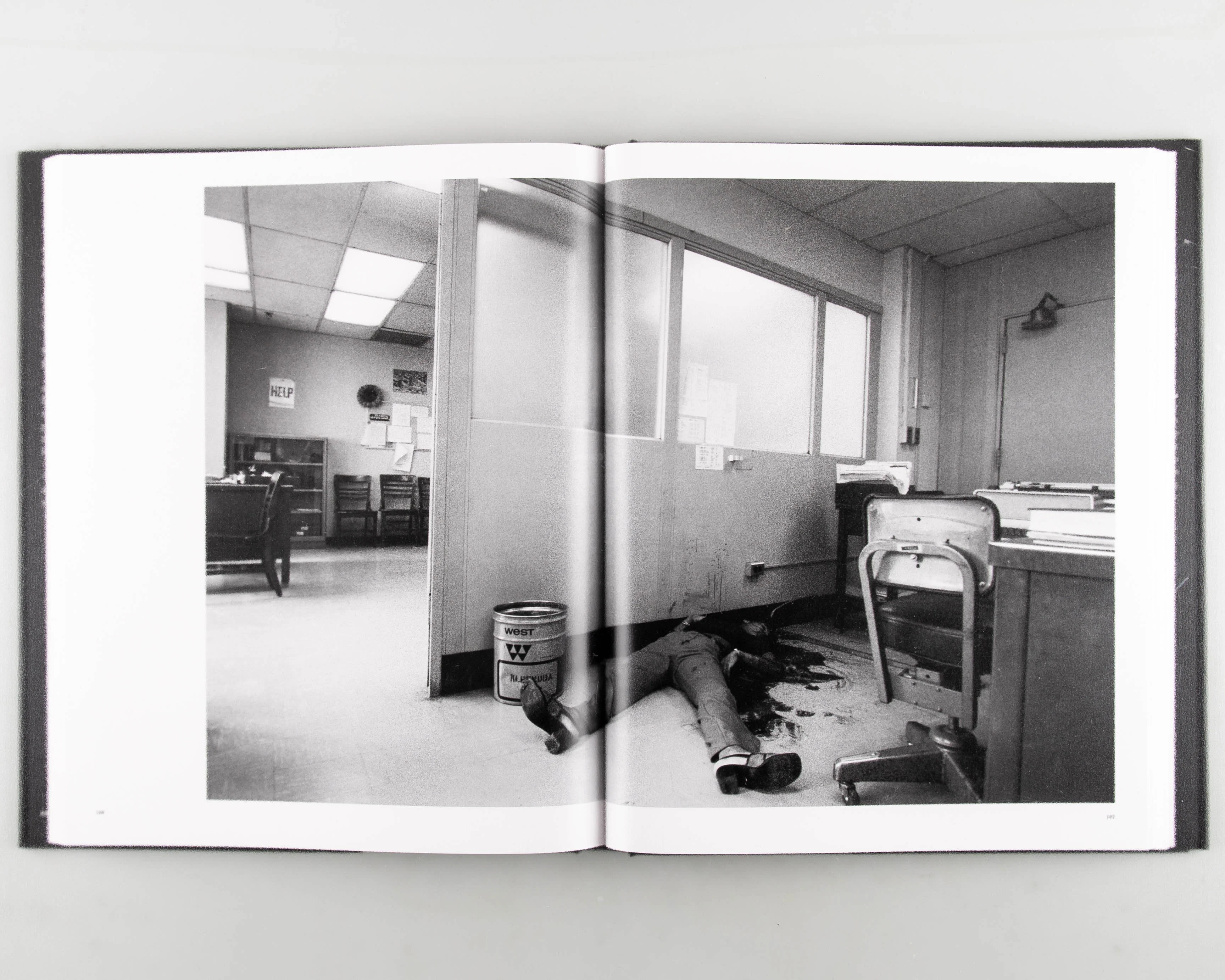
First published in 1980, this new edition features unseen images of Freed's vast archive documenting the NYPD in the 70's.
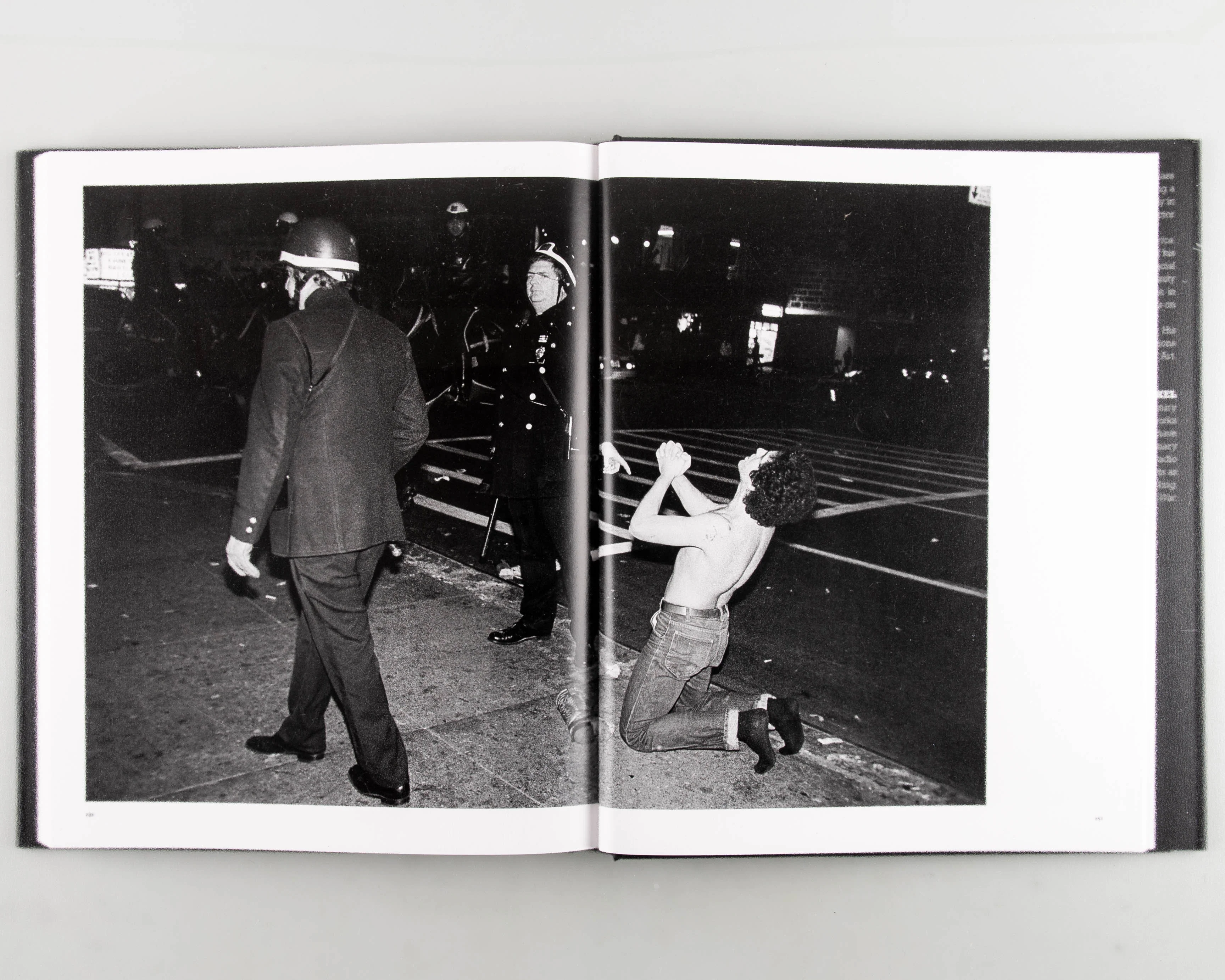
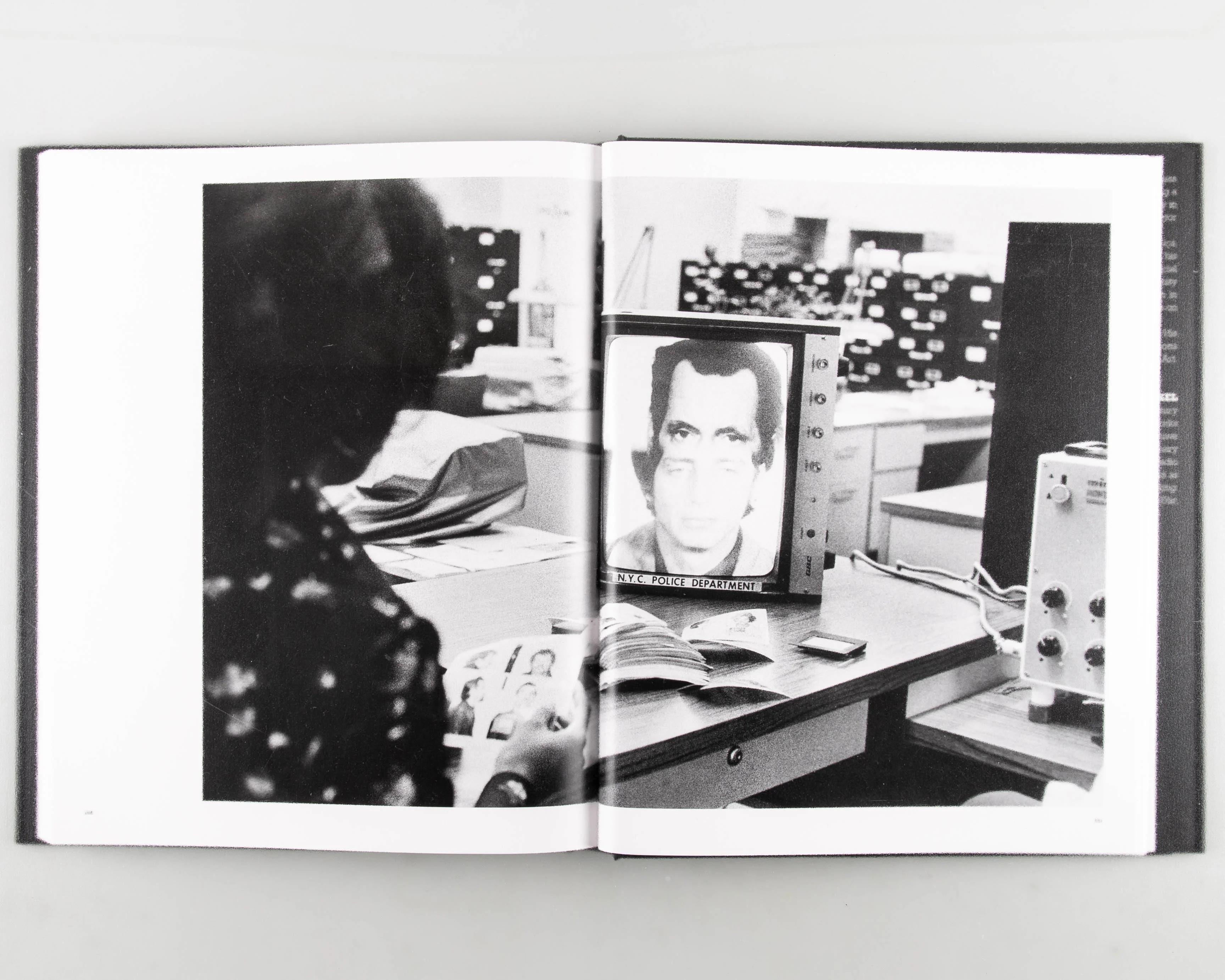
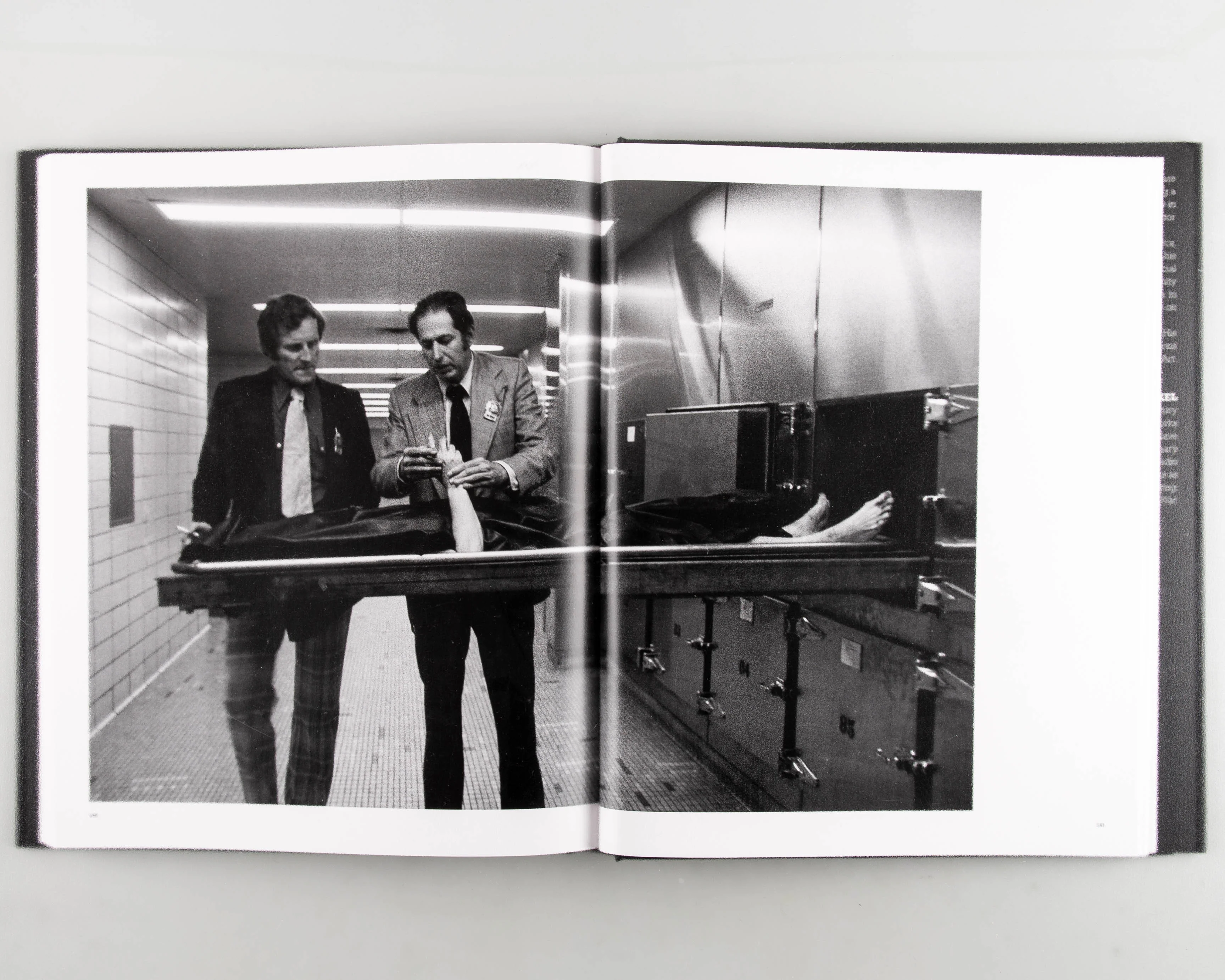
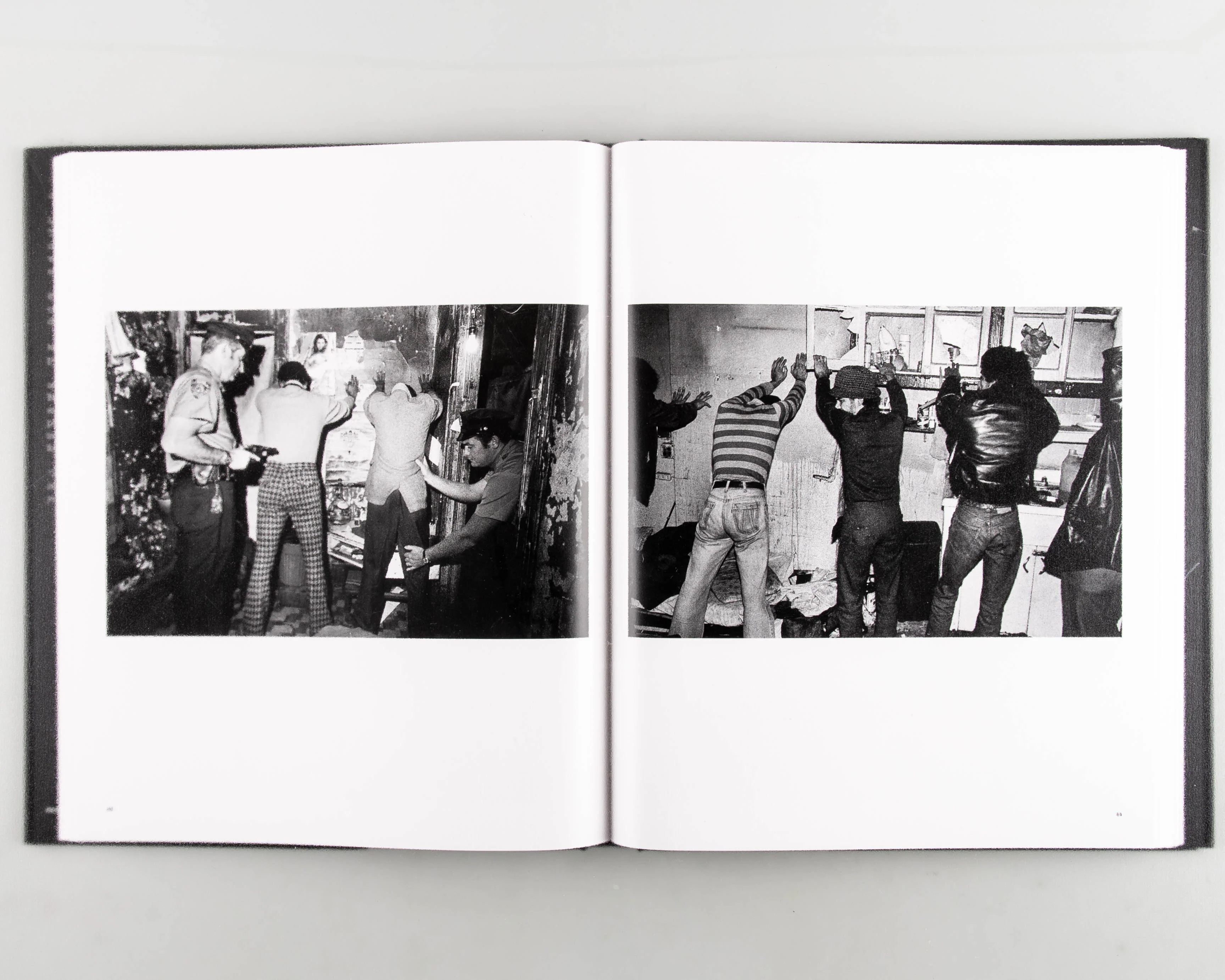
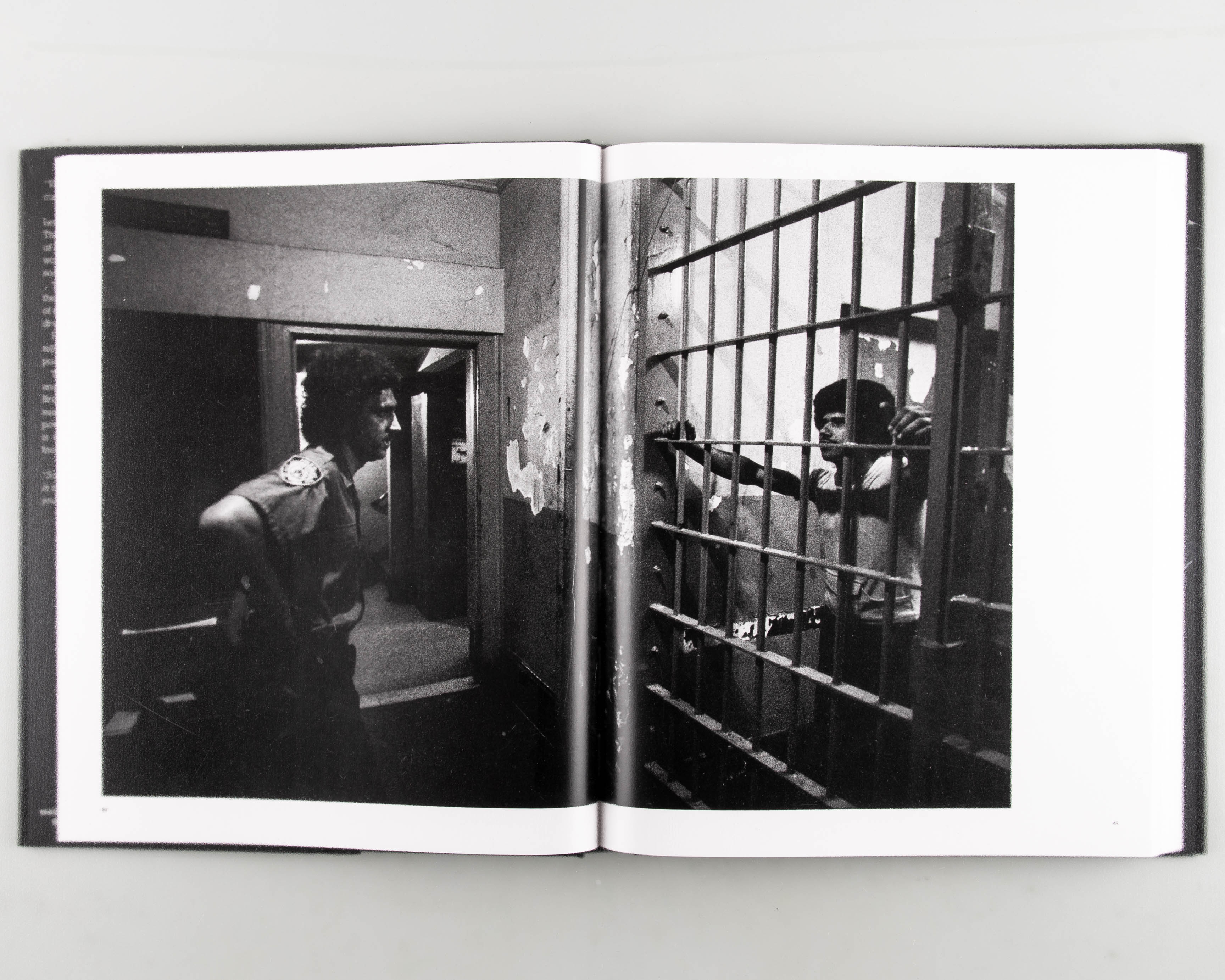
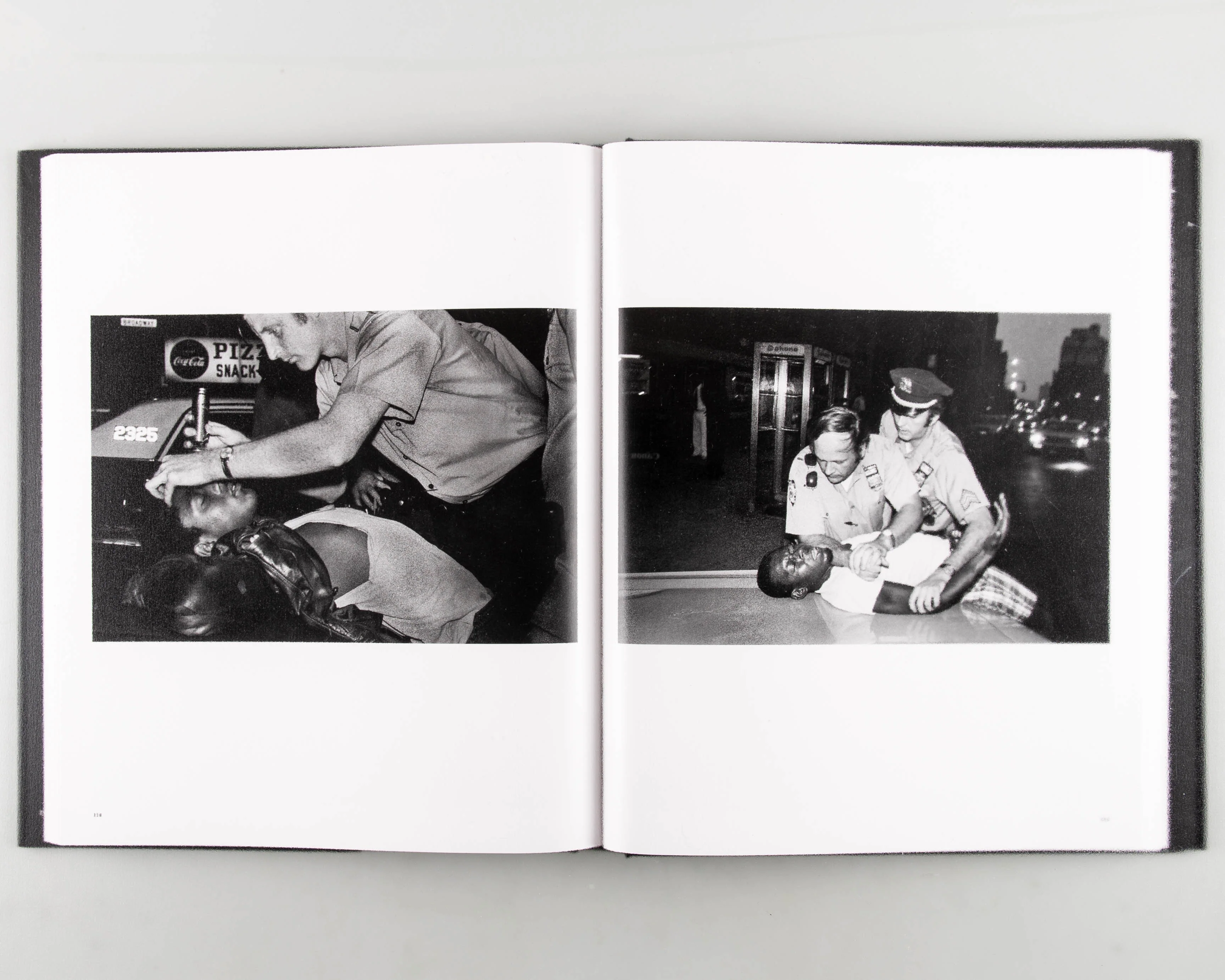
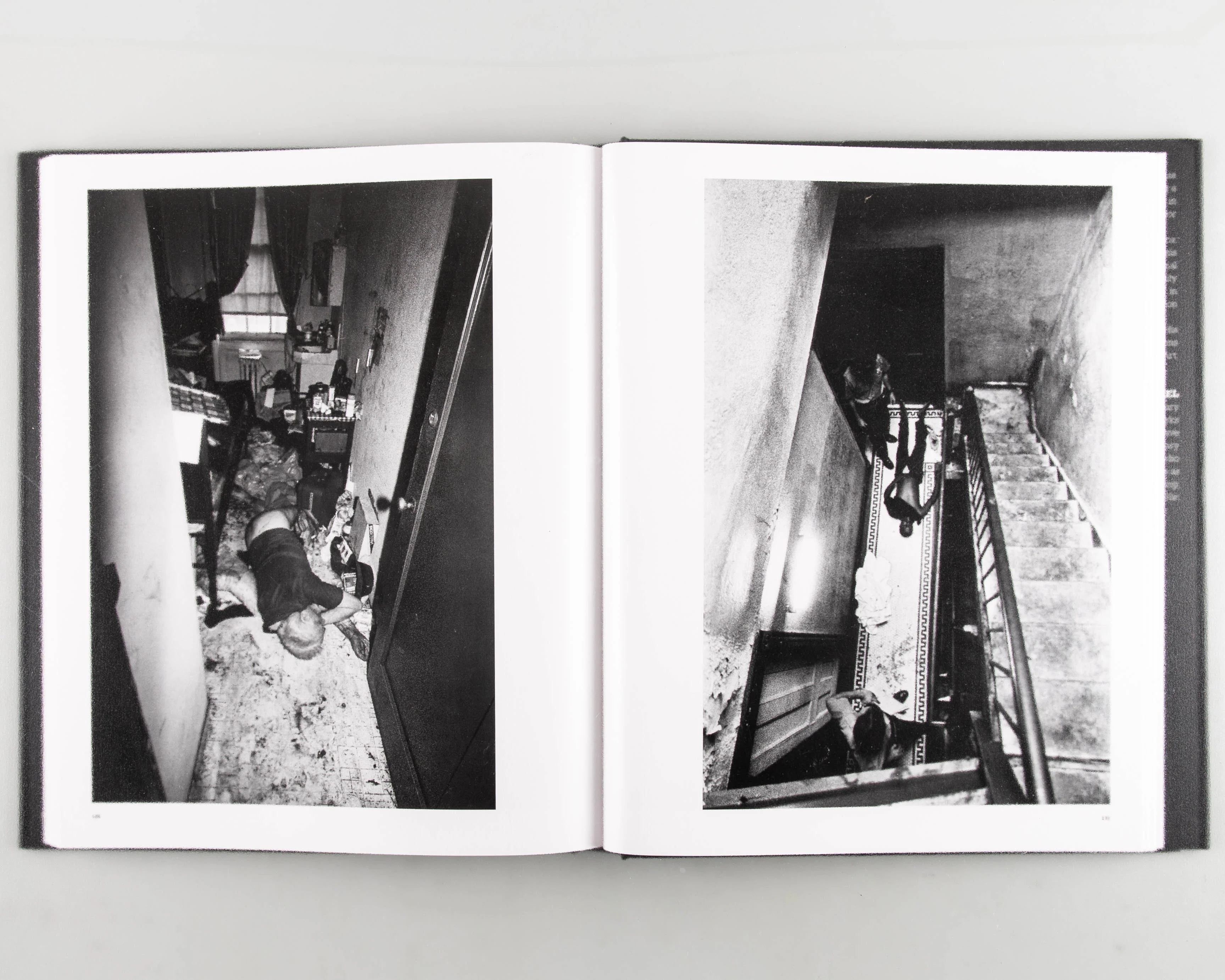
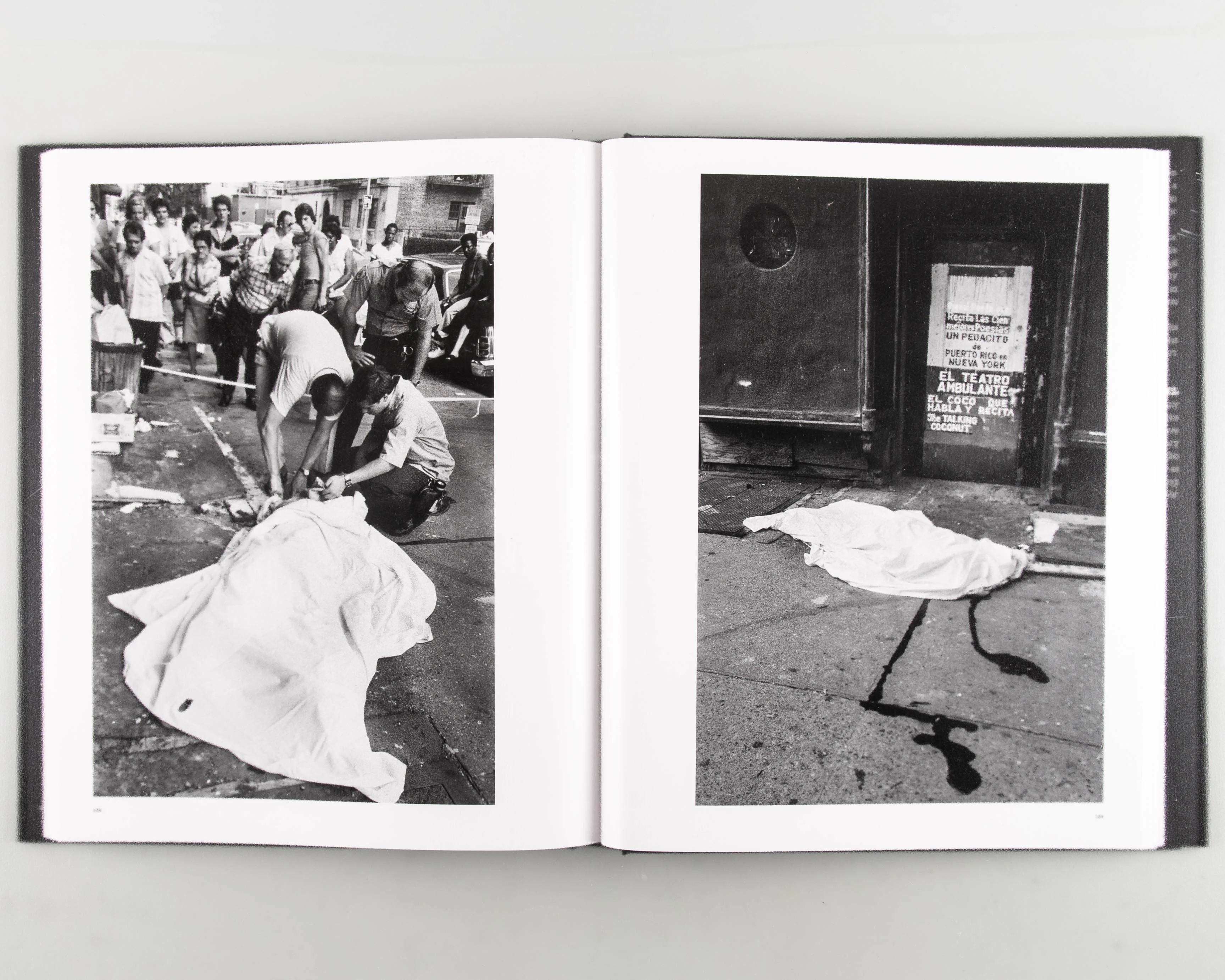
In Police Work, Leonard Freed worked alongside the policemen of New York to see what life ‘on the beat’ was really like. What he documented is an elegant yet grittily realistic portrait of ordinary people doing a “sometimes boring, sometimes corrupting, sometimes dangerous, ugly and unhealthy job”.
In this text, extracted from Magnum Stories, Freed recounts photographing the NYPD throughout the 1970s, and explains why, for him, photography represents not just an opportunity to gain insights into the self, but also his credo.
“The series of police stories started with demonstrations outside my building in New York during the Vietnam War. It was about 1972 and the building was full of radicals, and they were calling the police ‘Pigs’ all the time. But the policeman is just a working man: they’re not college graduates, or psychiatrists, judges or social workers. If a policeman makes one mistake and shoots someone by accident, then he’s a murderer. With the courts, power is distributed around; no one is individually responsible like the policeman is. Michael Rand at the Sunday Times magazine gave me an assignment, and then Stern magazine and Paris Match were interested so I built up a body of work.
Basically, all the projects I’ve chosen are to psychoanalyse myself – to find out who I am in relationship to other people. If I photograph black people or Germans or Jews or artists, I’m trying to work out my relationship to other people. It’s a process where at a certain point you have the answer, and you recognize everything from then on is redundant and there’s no need to do anymore. That’s when the work is finished. With the police, I became comfortable with them and I knew how they thought. At that point I thought the work lacked unpoliceman-like photographs, so I made some of police in their homes, away from the job. Then it was done.”
More Images
Leonard Freed: Police Work
First published in 1980, this new edition features unseen images of Freed's vast archive documenting the NYPD in the 70's.
In Police Work, Leonard Freed worked alongside the policemen of New York to see what life ‘on the beat’ was really like. What he documented is an elegant yet grittily realistic portrait of ordinary people doing a “sometimes boring, sometimes corrupting, sometimes dangerous, ugly and unhealthy job”.
In this text, extracted from Magnum Stories, Freed recounts photographing the NYPD throughout the 1970s, and explains why, for him, photography represents not just an opportunity to gain insights into the self, but also his credo.
“The series of police stories started with demonstrations outside my building in New York during the Vietnam War. It was about 1972 and the building was full of radicals, and they were calling the police ‘Pigs’ all the time. But the policeman is just a working man: they’re not college graduates, or psychiatrists, judges or social workers. If a policeman makes one mistake and shoots someone by accident, then he’s a murderer. With the courts, power is distributed around; no one is individually responsible like the policeman is. Michael Rand at the Sunday Times magazine gave me an assignment, and then Stern magazine and Paris Match were interested so I built up a body of work.
Basically, all the projects I’ve chosen are to psychoanalyse myself – to find out who I am in relationship to other people. If I photograph black people or Germans or Jews or artists, I’m trying to work out my relationship to other people. It’s a process where at a certain point you have the answer, and you recognize everything from then on is redundant and there’s no need to do anymore. That’s when the work is finished. With the police, I became comfortable with them and I knew how they thought. At that point I thought the work lacked unpoliceman-like photographs, so I made some of police in their homes, away from the job. Then it was done.”
Product Information
Product Information
Shipping & Returns
Shipping & Returns
Description
First published in 1980, this new edition features unseen images of Freed's vast archive documenting the NYPD in the 70's.
In Police Work, Leonard Freed worked alongside the policemen of New York to see what life ‘on the beat’ was really like. What he documented is an elegant yet grittily realistic portrait of ordinary people doing a “sometimes boring, sometimes corrupting, sometimes dangerous, ugly and unhealthy job”.
In this text, extracted from Magnum Stories, Freed recounts photographing the NYPD throughout the 1970s, and explains why, for him, photography represents not just an opportunity to gain insights into the self, but also his credo.
“The series of police stories started with demonstrations outside my building in New York during the Vietnam War. It was about 1972 and the building was full of radicals, and they were calling the police ‘Pigs’ all the time. But the policeman is just a working man: they’re not college graduates, or psychiatrists, judges or social workers. If a policeman makes one mistake and shoots someone by accident, then he’s a murderer. With the courts, power is distributed around; no one is individually responsible like the policeman is. Michael Rand at the Sunday Times magazine gave me an assignment, and then Stern magazine and Paris Match were interested so I built up a body of work.
Basically, all the projects I’ve chosen are to psychoanalyse myself – to find out who I am in relationship to other people. If I photograph black people or Germans or Jews or artists, I’m trying to work out my relationship to other people. It’s a process where at a certain point you have the answer, and you recognize everything from then on is redundant and there’s no need to do anymore. That’s when the work is finished. With the police, I became comfortable with them and I knew how they thought. At that point I thought the work lacked unpoliceman-like photographs, so I made some of police in their homes, away from the job. Then it was done.”