Fire In Cairo
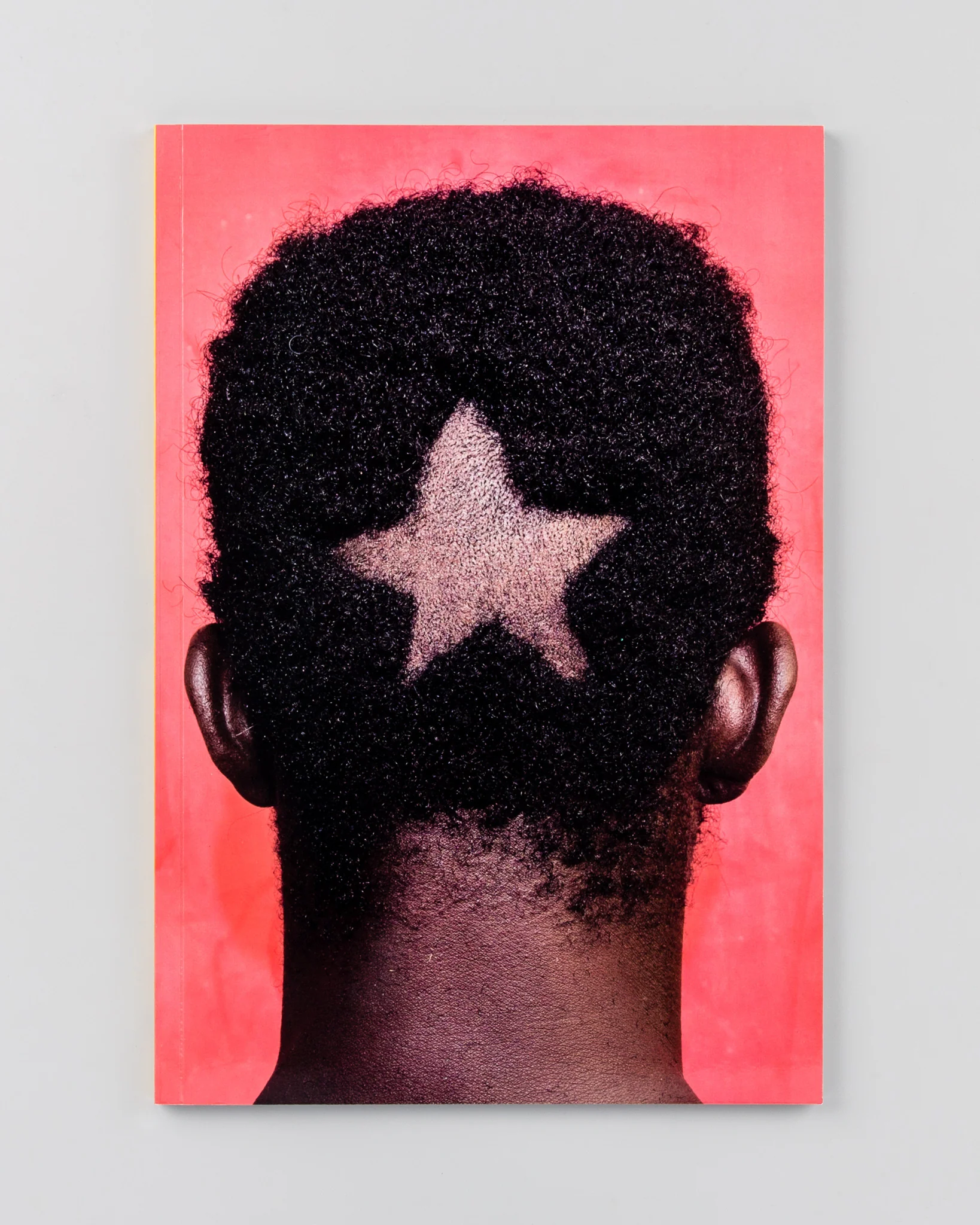
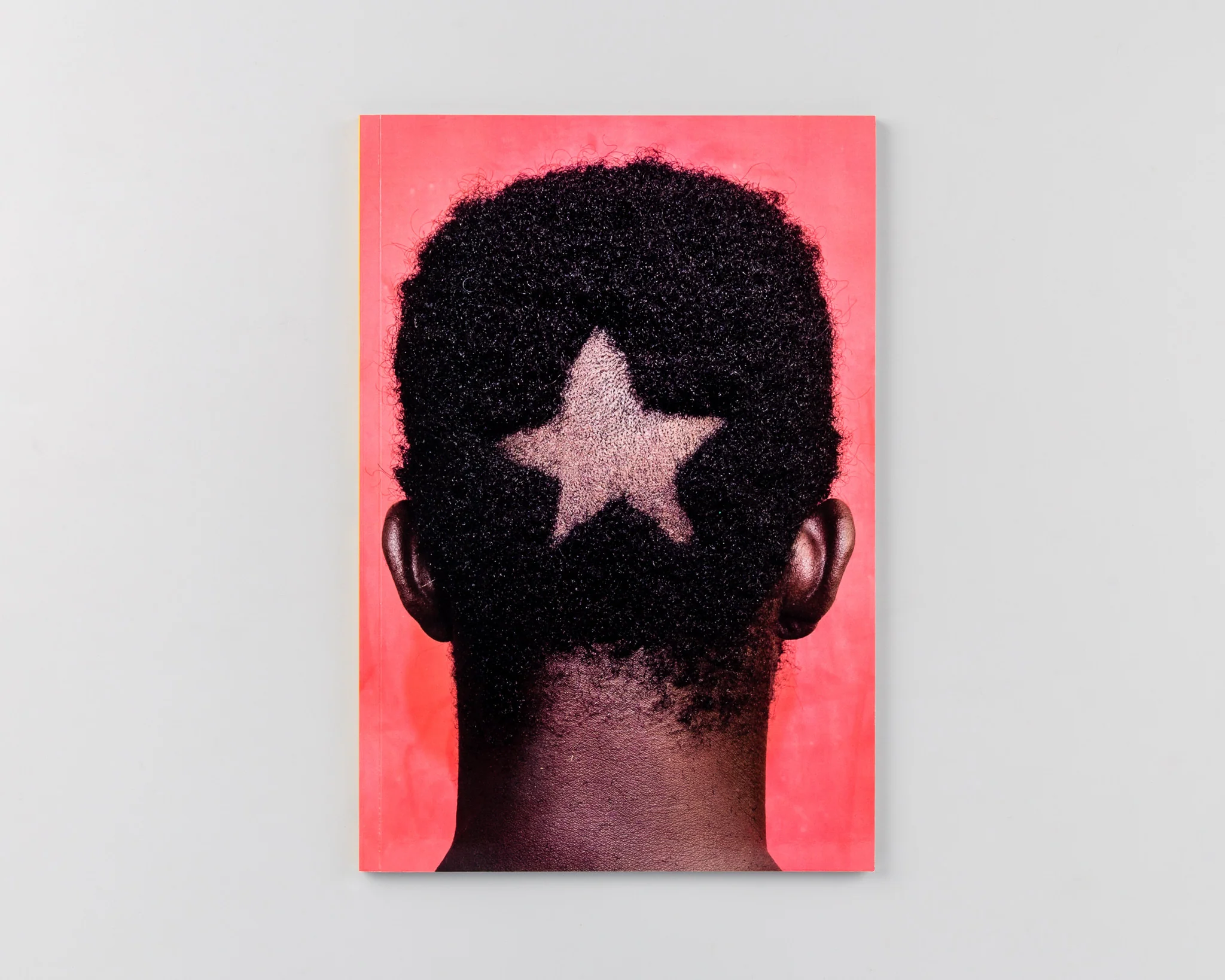
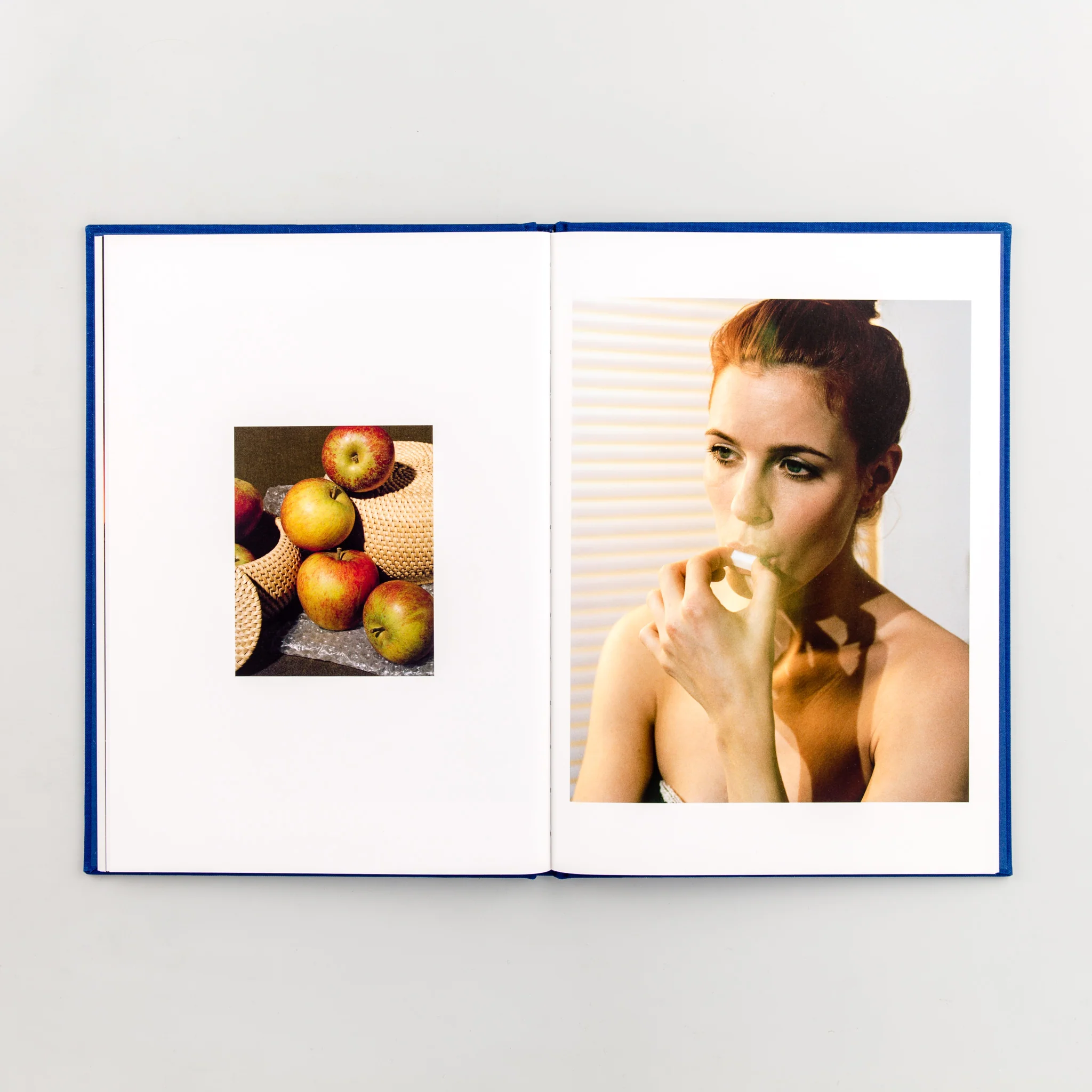
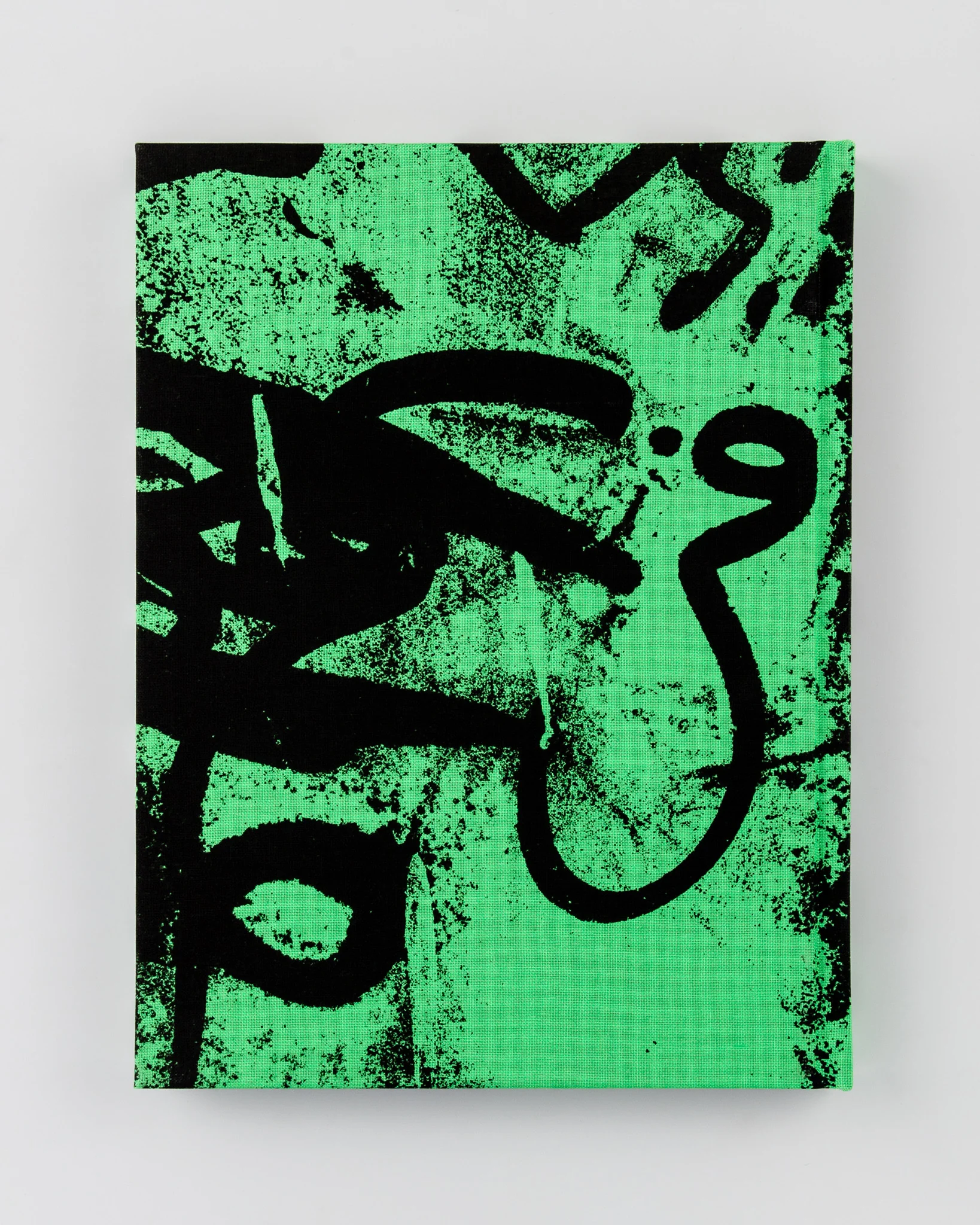
Fire in Cairo emerged from Egypt as an oblique and fragmentary document of revolutionary struggle. The book charts Matthew Connors uneasy engagement with the political turmoil that gripped the nation during its rapidly unfolding history.
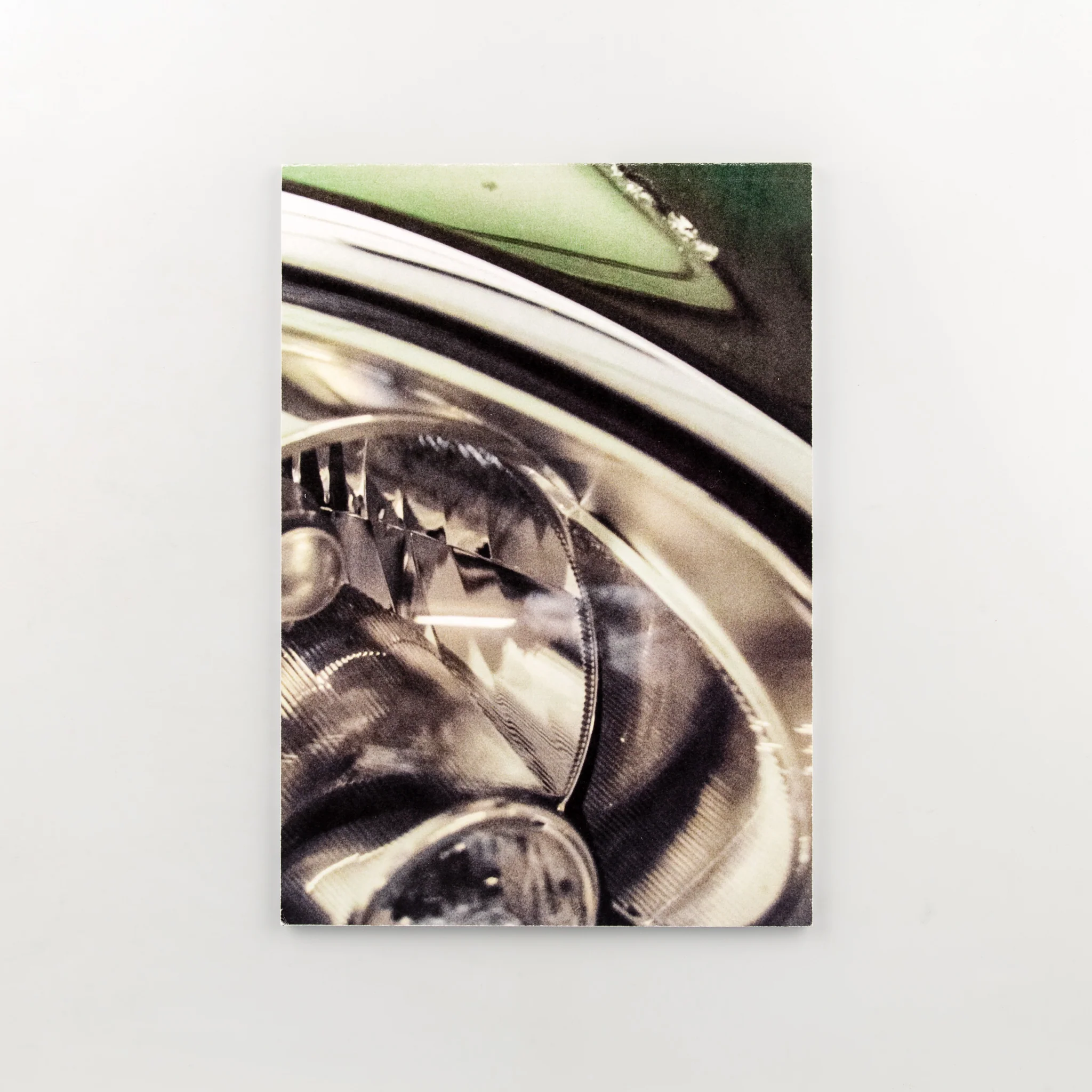
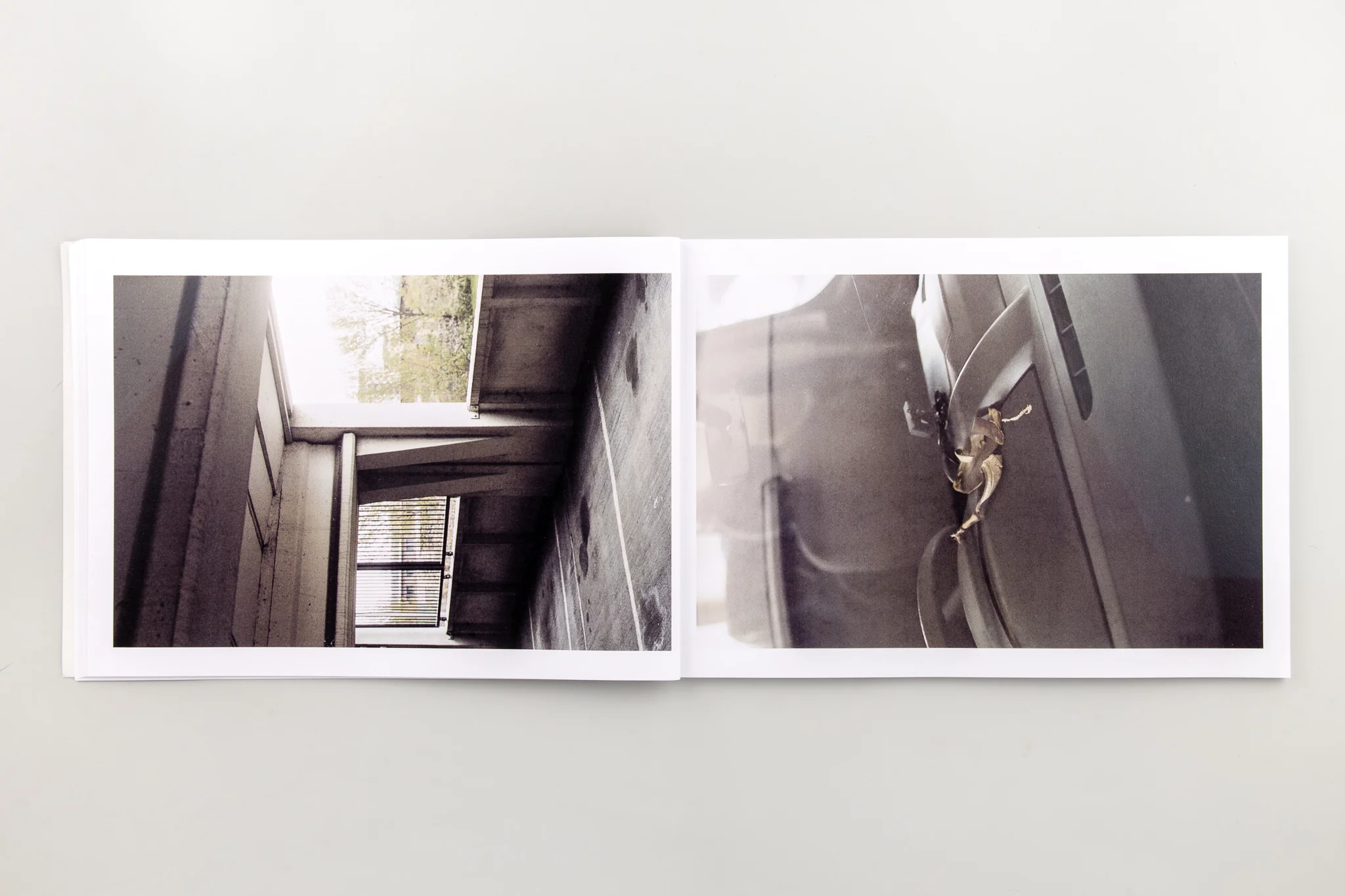
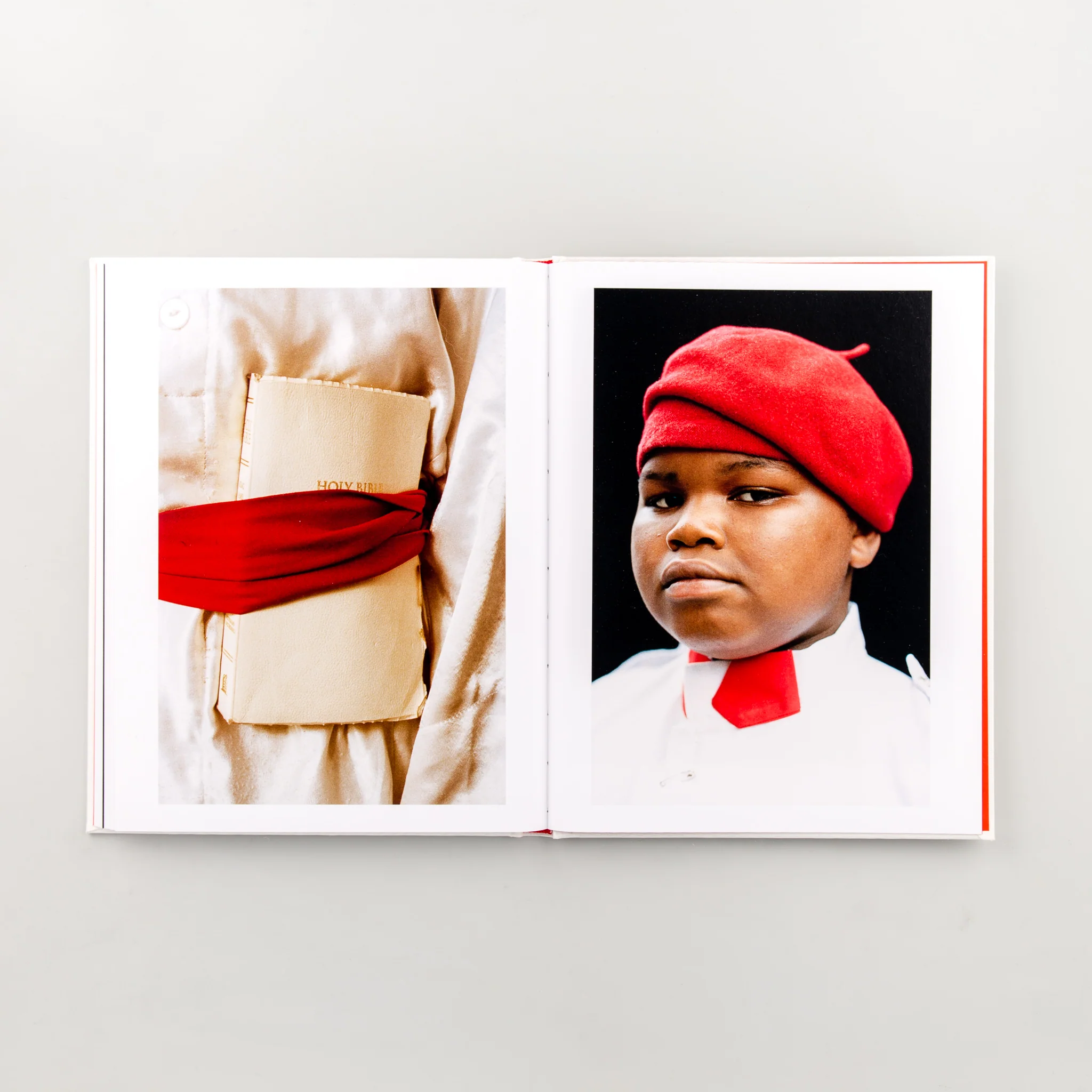
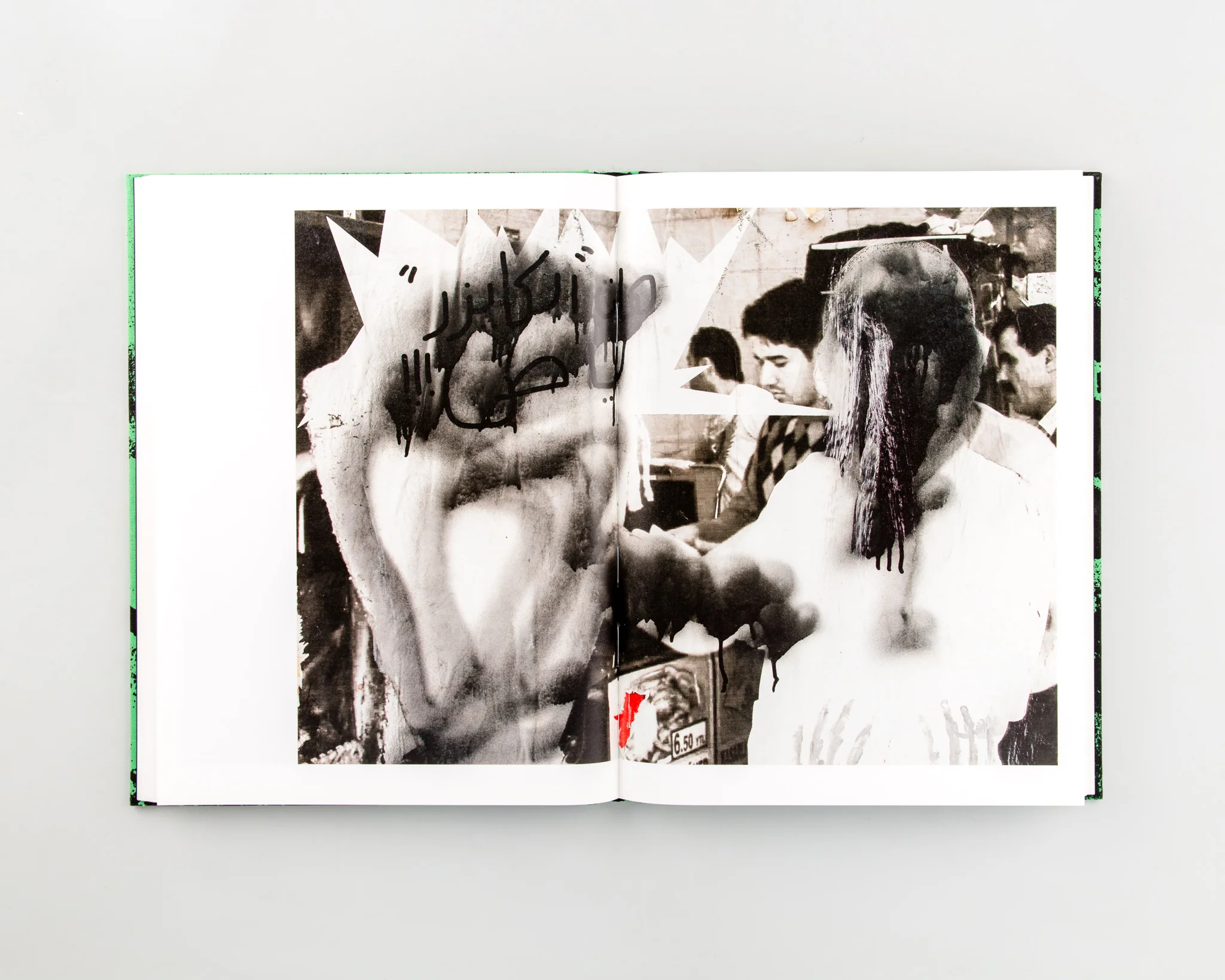
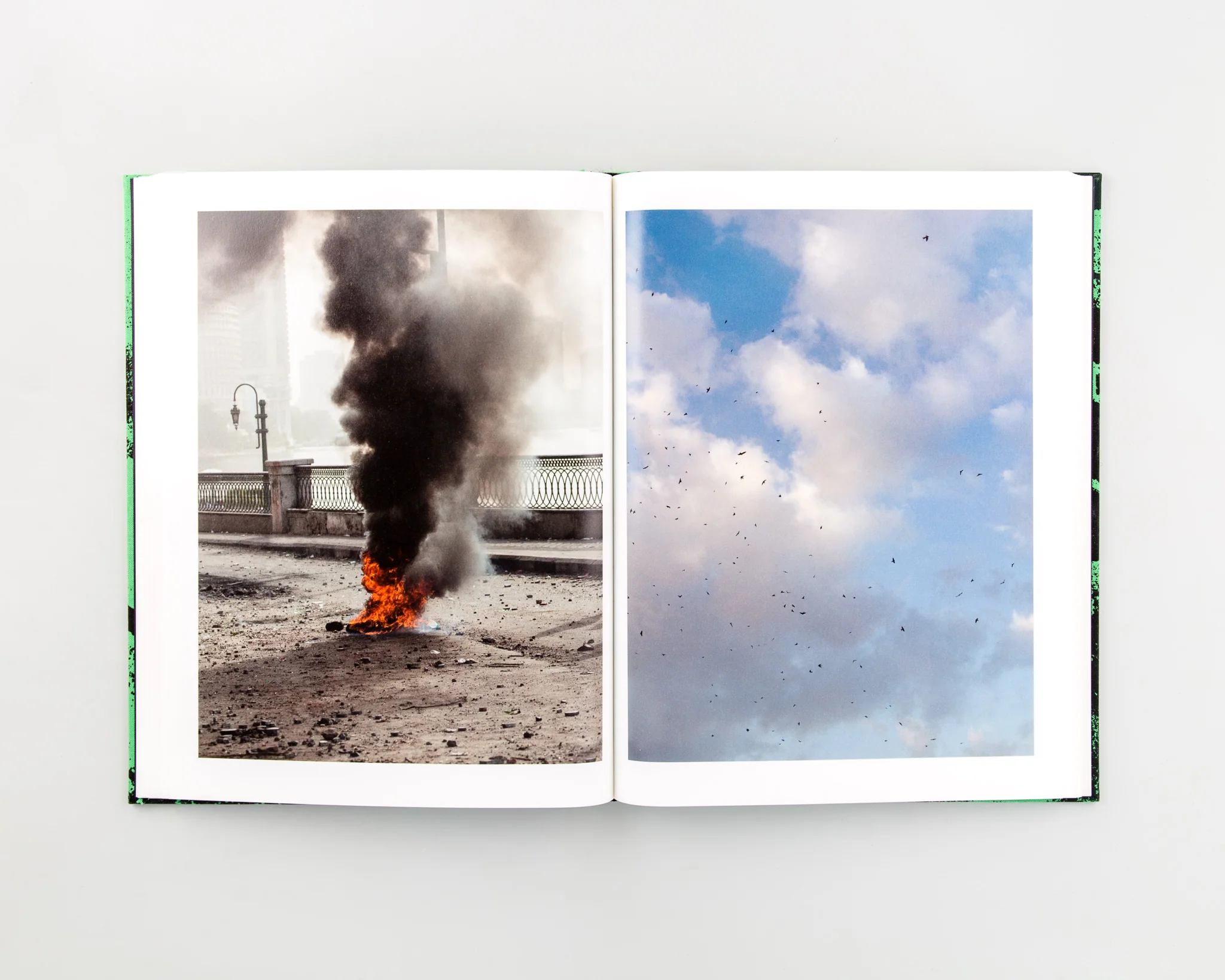
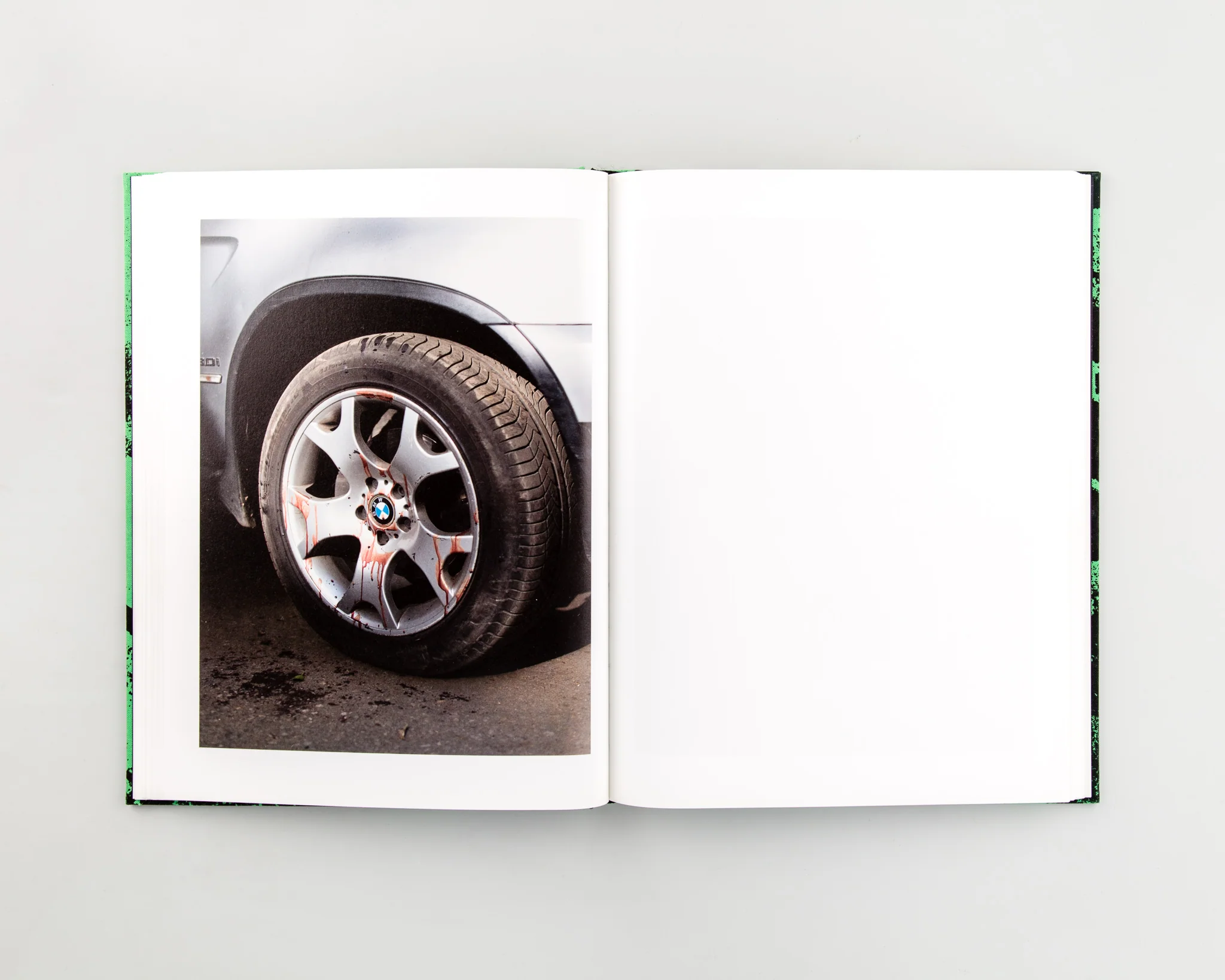
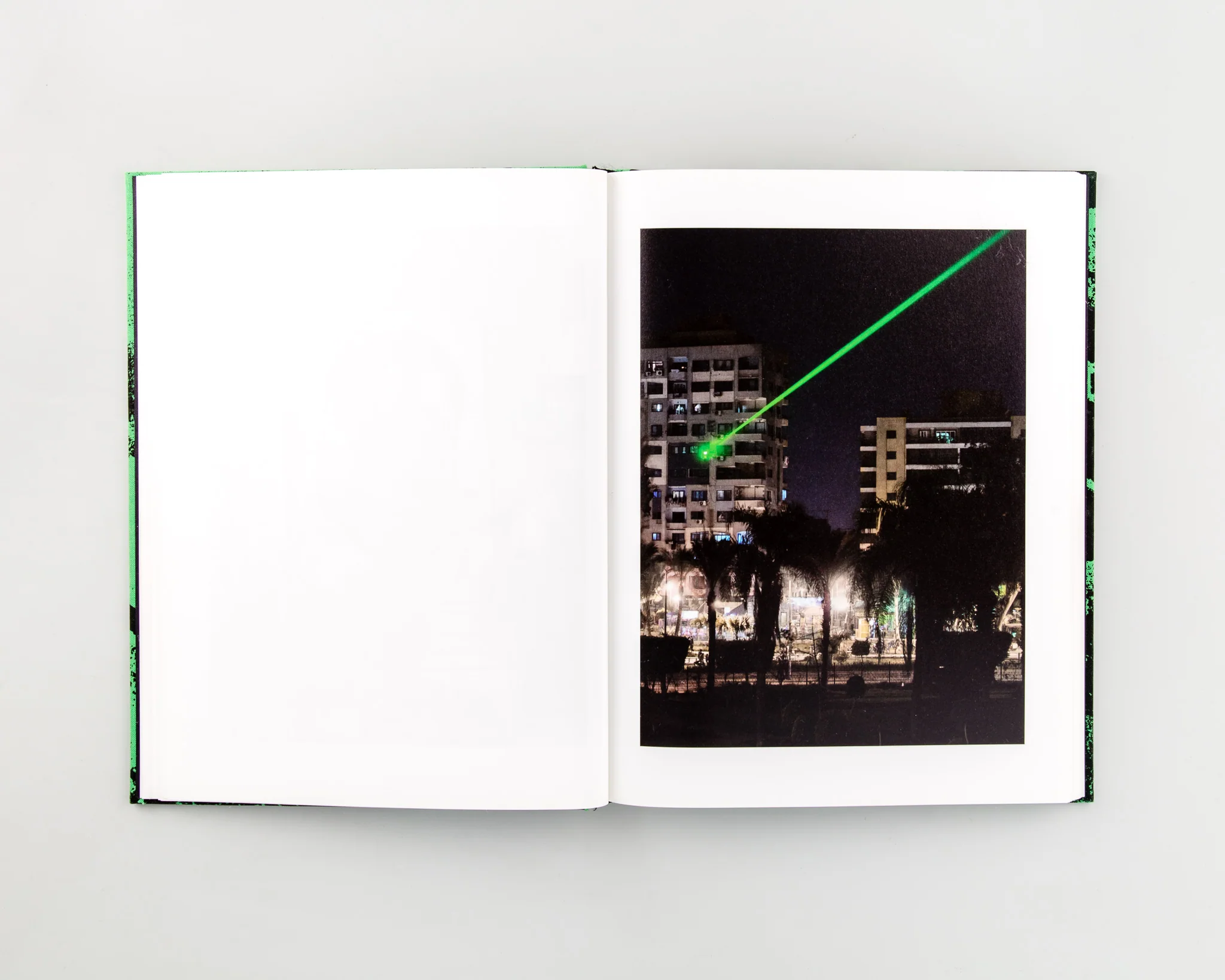
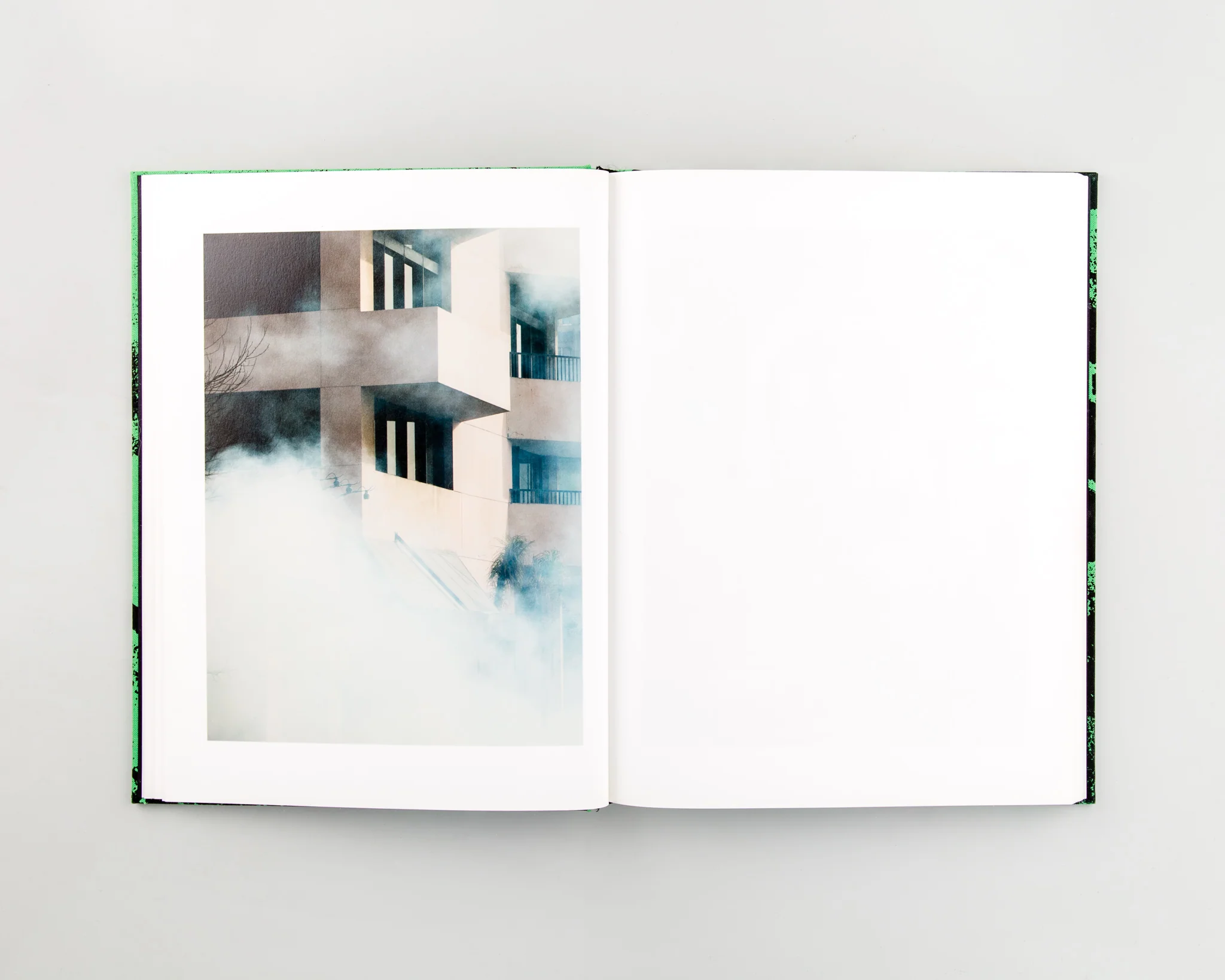
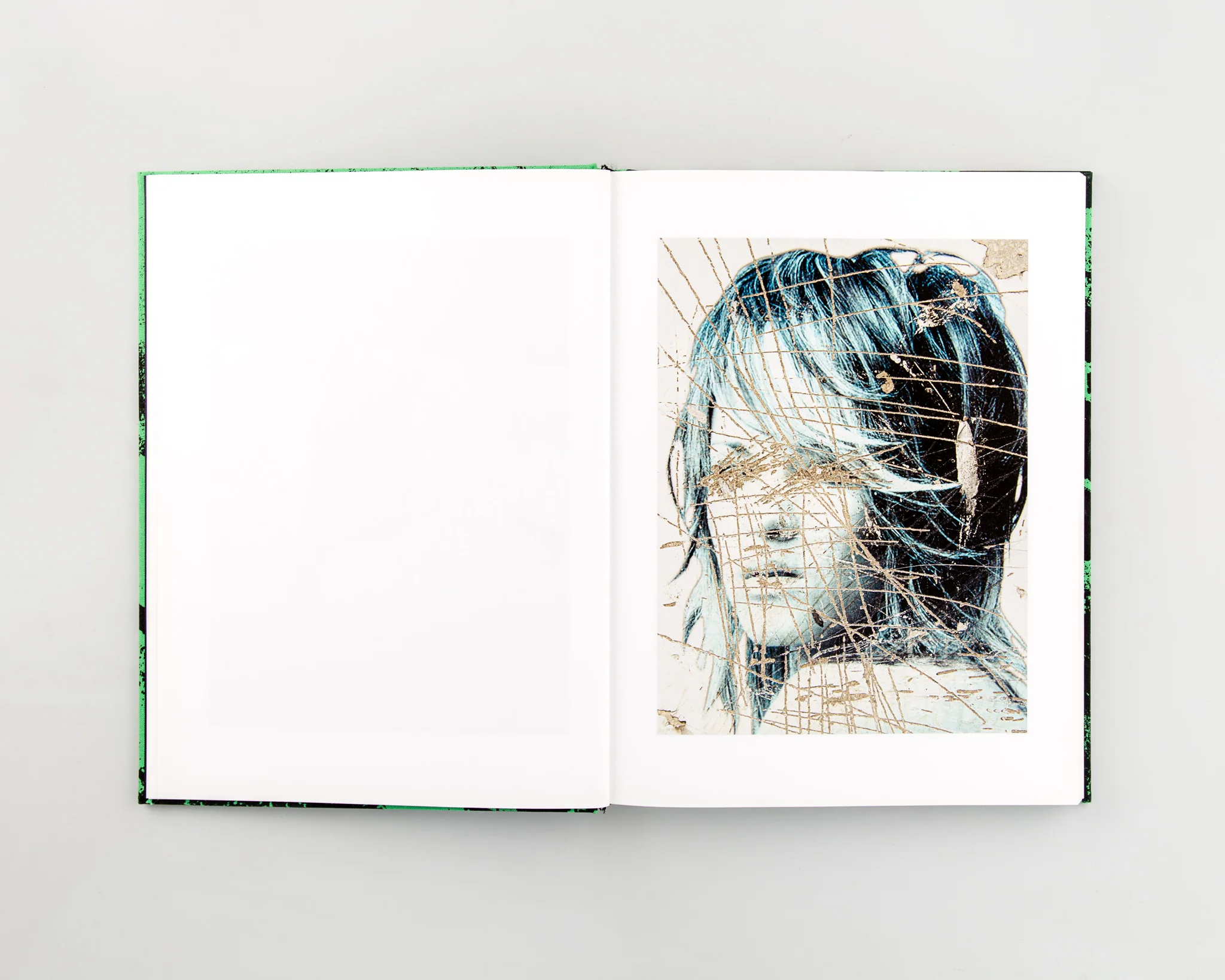
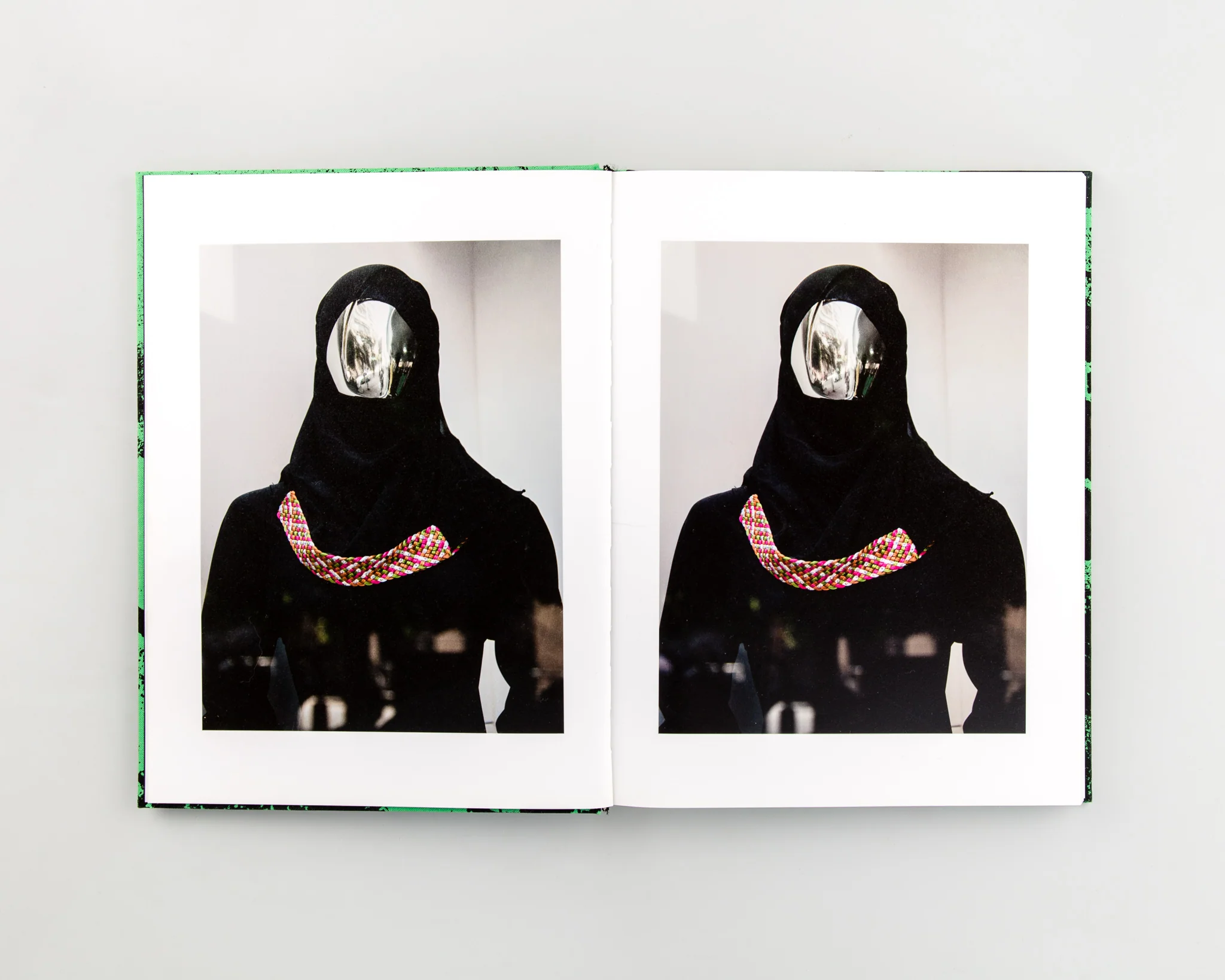
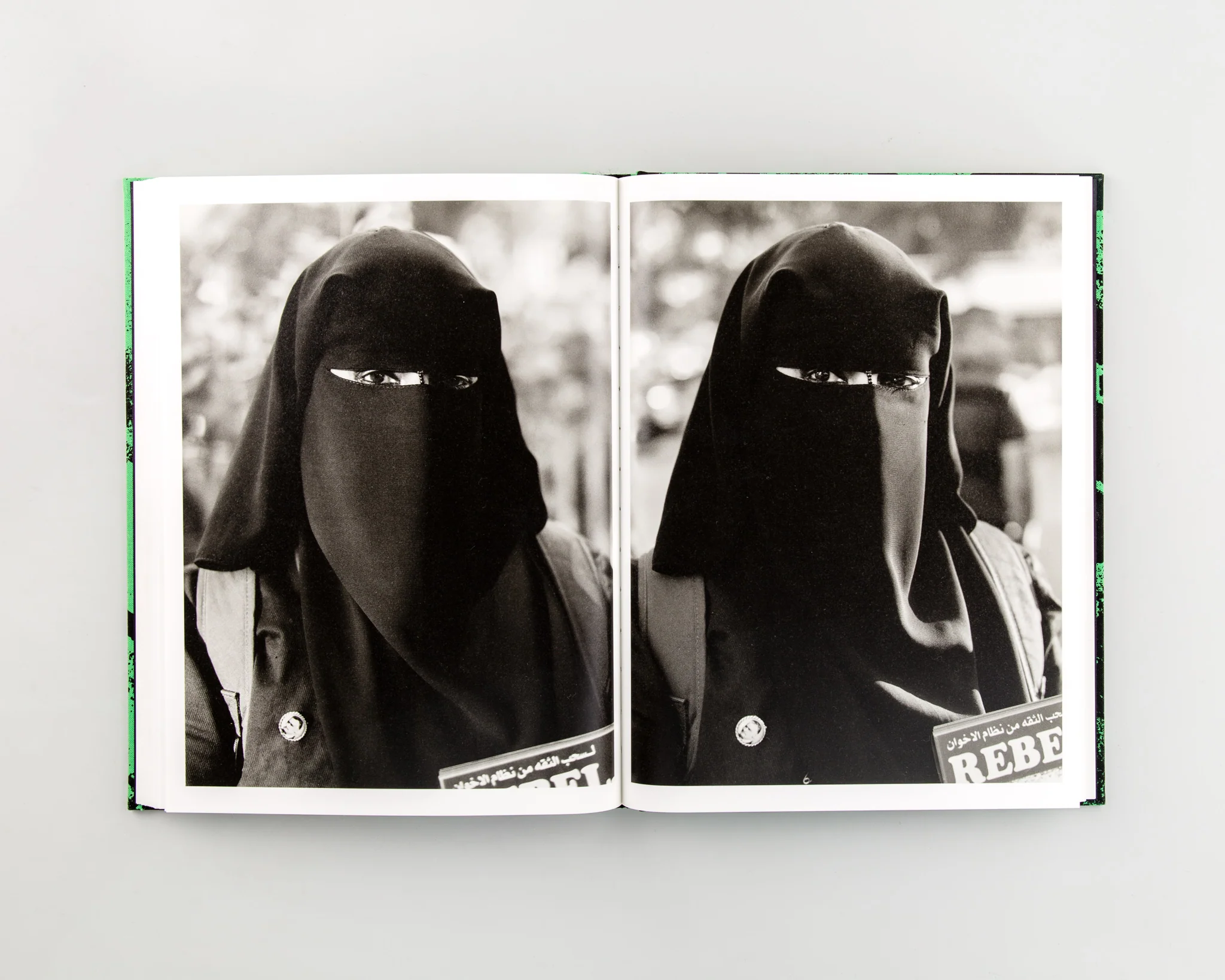
The complexity of the situation resisted comprehensive explanation, but invited metaphorical speculation. In his images Cairo reveals itself to be an enormous studio for social change, ripe with visual, sculptural and atmospheric residues of resistance. He weaves these together with portraits of Egyptians from across the political spectrum and his own experimental fiction. The result is a book that careens between reportage, poetry and surrealism to heighten the tensions between beauty, threat and historical consequence.
More Images
Fire In Cairo
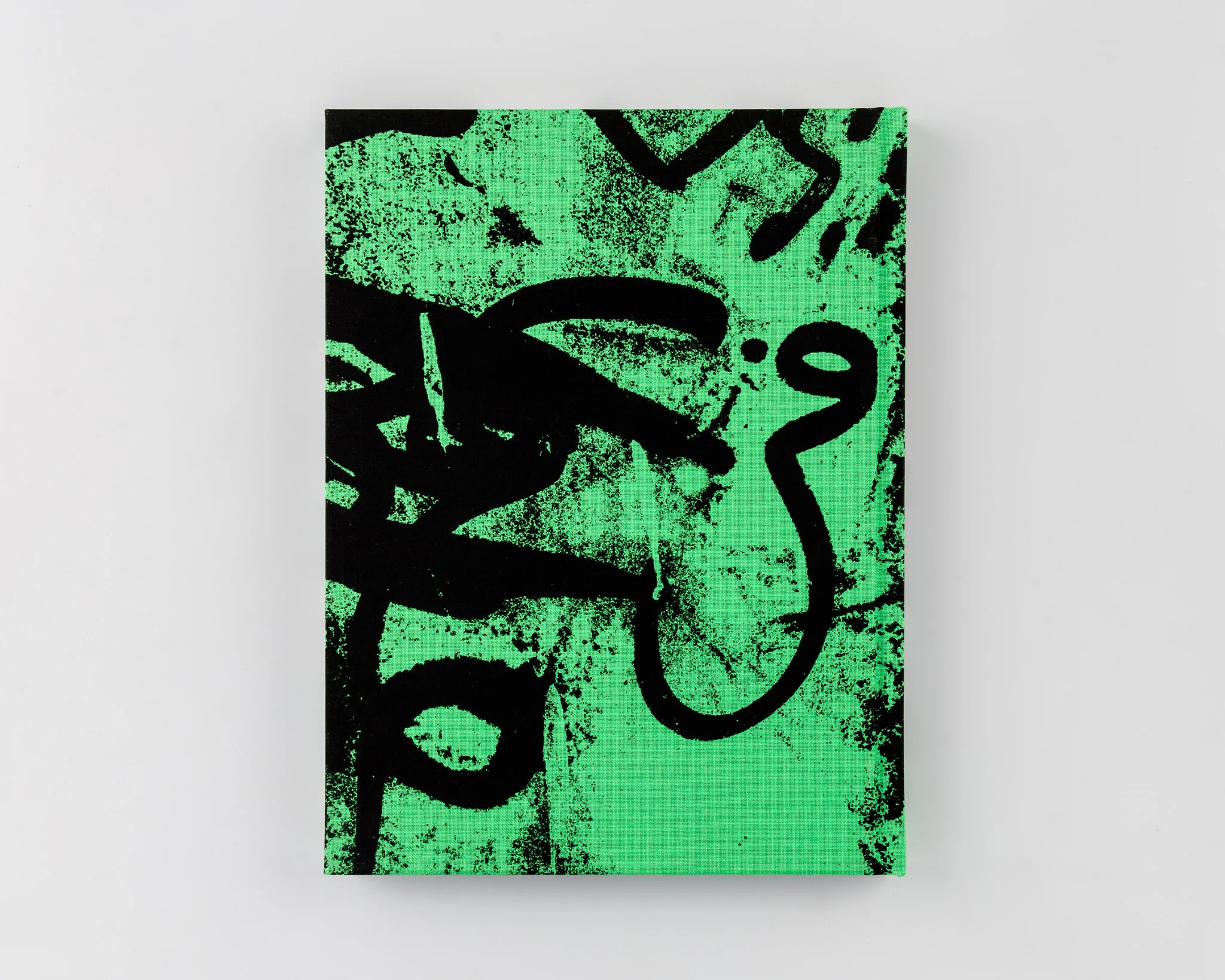
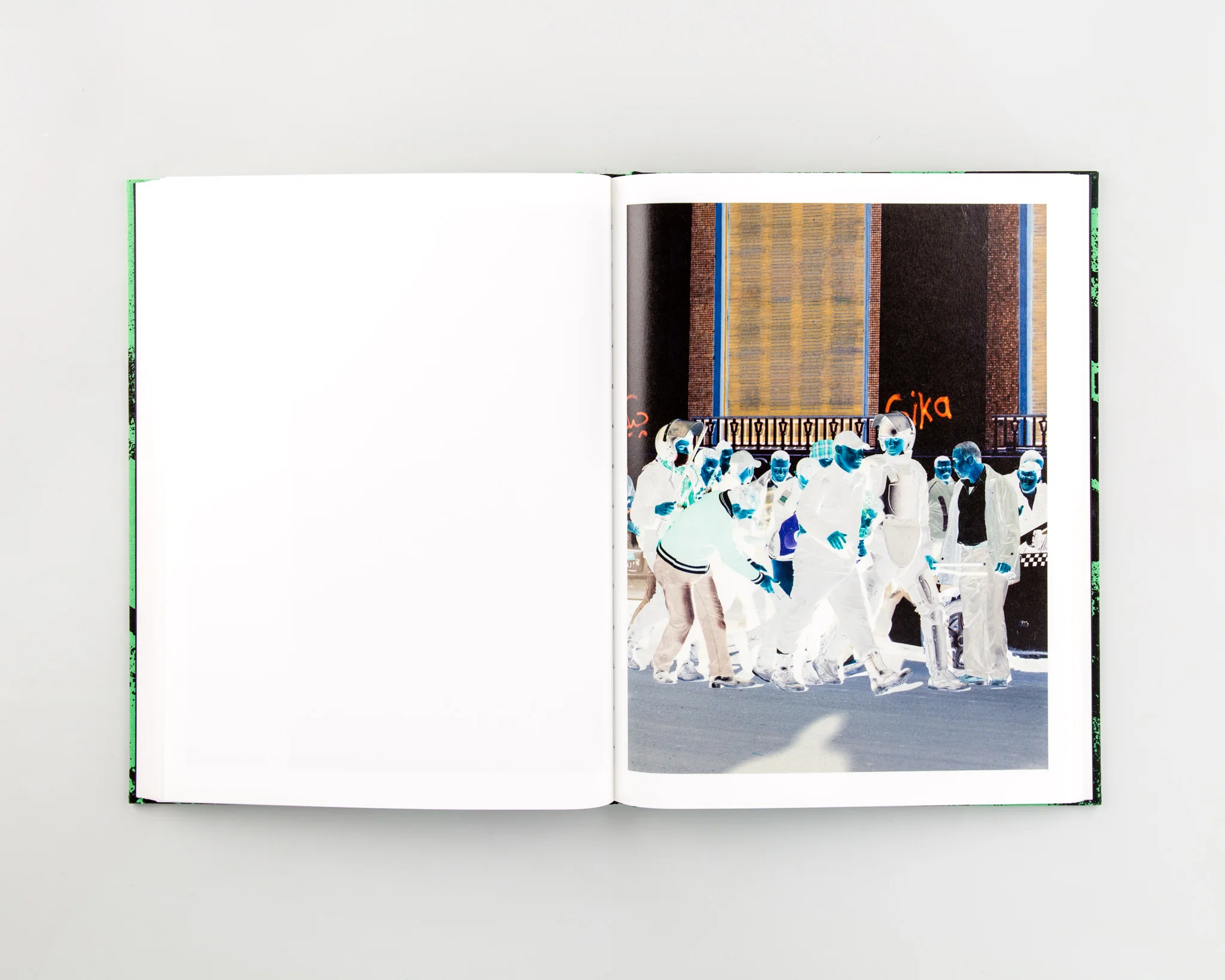
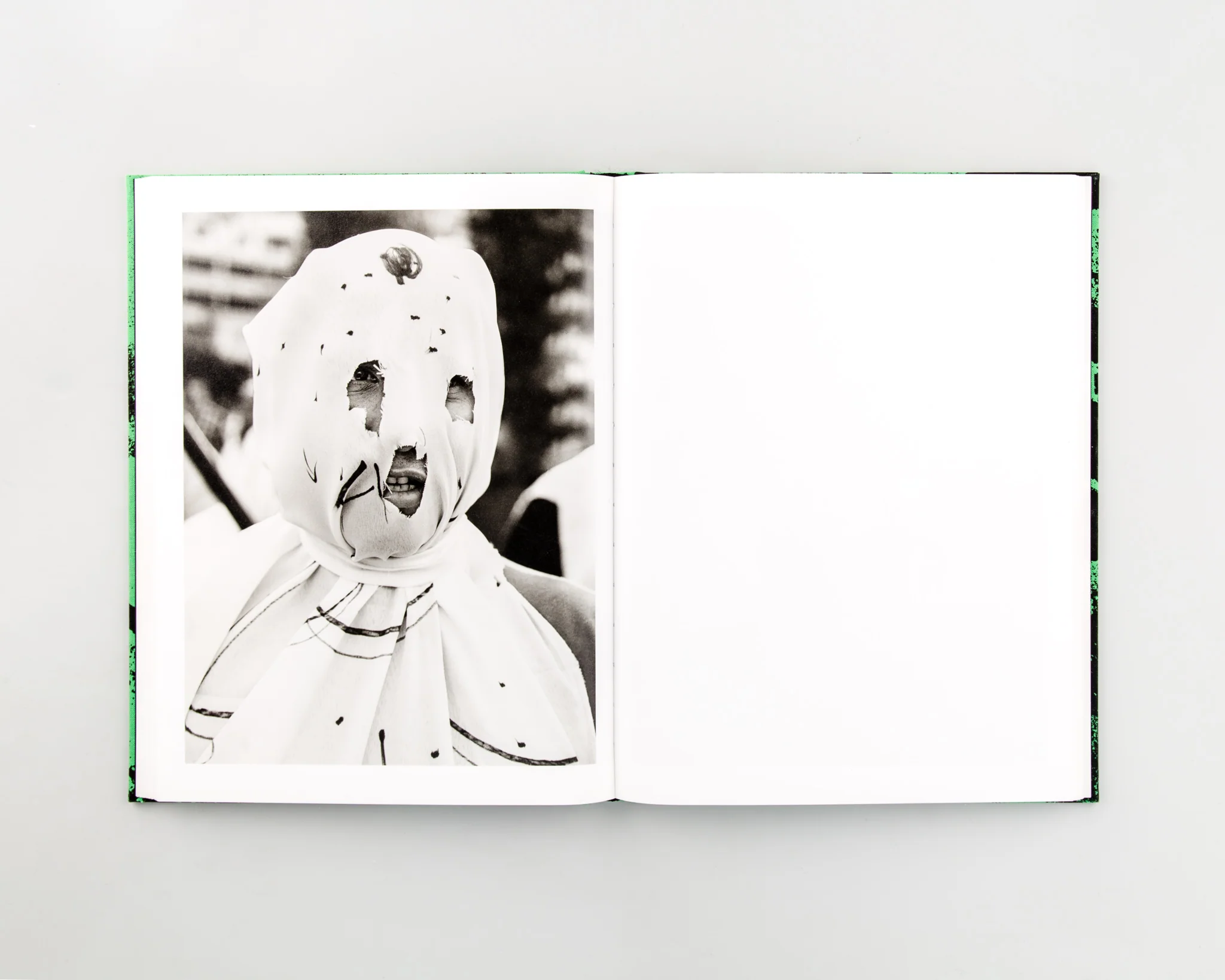
Fire in Cairo emerged from Egypt as an oblique and fragmentary document of revolutionary struggle. The book charts Matthew Connors uneasy engagement with the political turmoil that gripped the nation during its rapidly unfolding history.
The complexity of the situation resisted comprehensive explanation, but invited metaphorical speculation. In his images Cairo reveals itself to be an enormous studio for social change, ripe with visual, sculptural and atmospheric residues of resistance. He weaves these together with portraits of Egyptians from across the political spectrum and his own experimental fiction. The result is a book that careens between reportage, poetry and surrealism to heighten the tensions between beauty, threat and historical consequence.
Product Information
Product Information
Shipping & Returns
Shipping & Returns
Description
Fire in Cairo emerged from Egypt as an oblique and fragmentary document of revolutionary struggle. The book charts Matthew Connors uneasy engagement with the political turmoil that gripped the nation during its rapidly unfolding history.
The complexity of the situation resisted comprehensive explanation, but invited metaphorical speculation. In his images Cairo reveals itself to be an enormous studio for social change, ripe with visual, sculptural and atmospheric residues of resistance. He weaves these together with portraits of Egyptians from across the political spectrum and his own experimental fiction. The result is a book that careens between reportage, poetry and surrealism to heighten the tensions between beauty, threat and historical consequence.