Contact High (SIGNED)
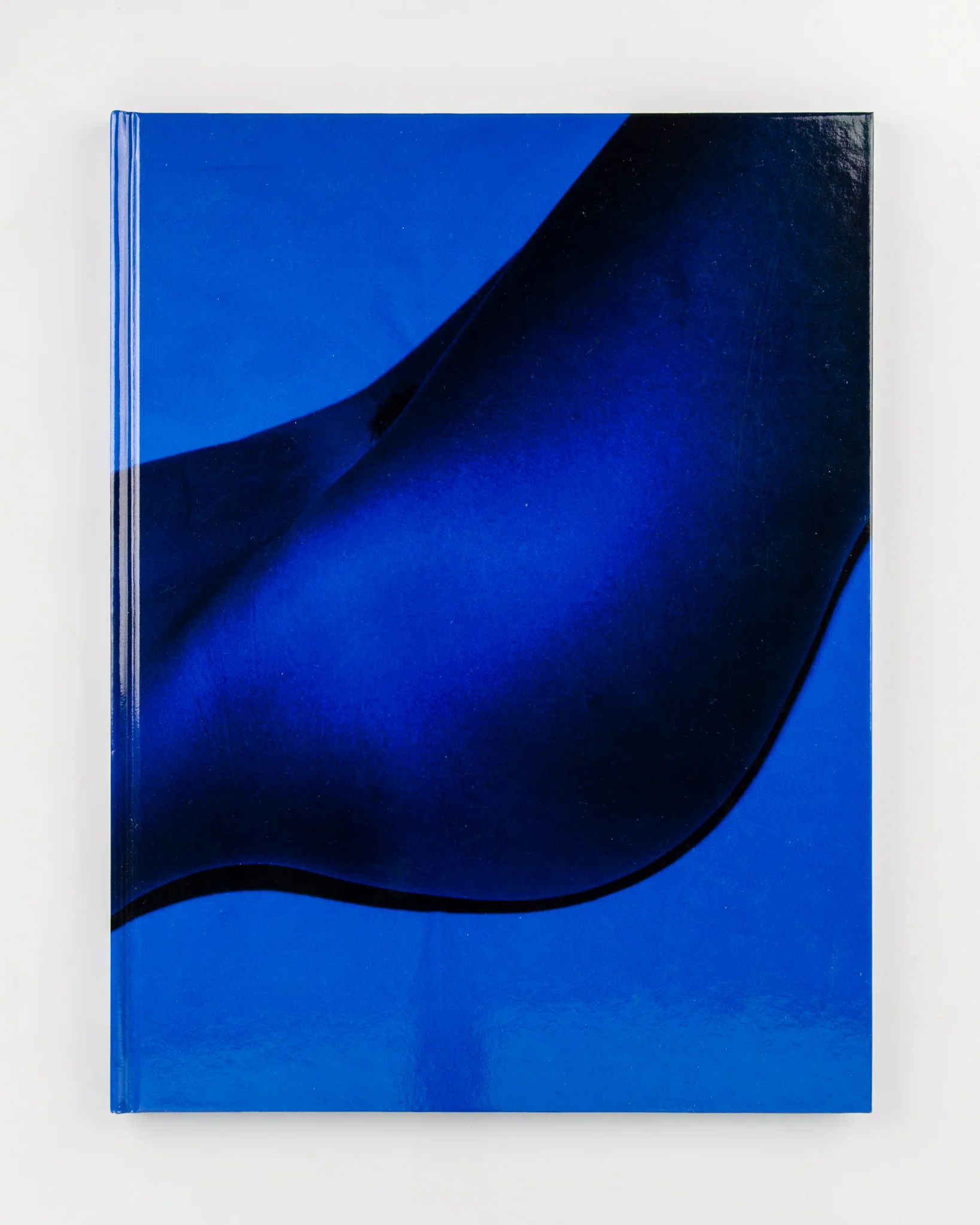
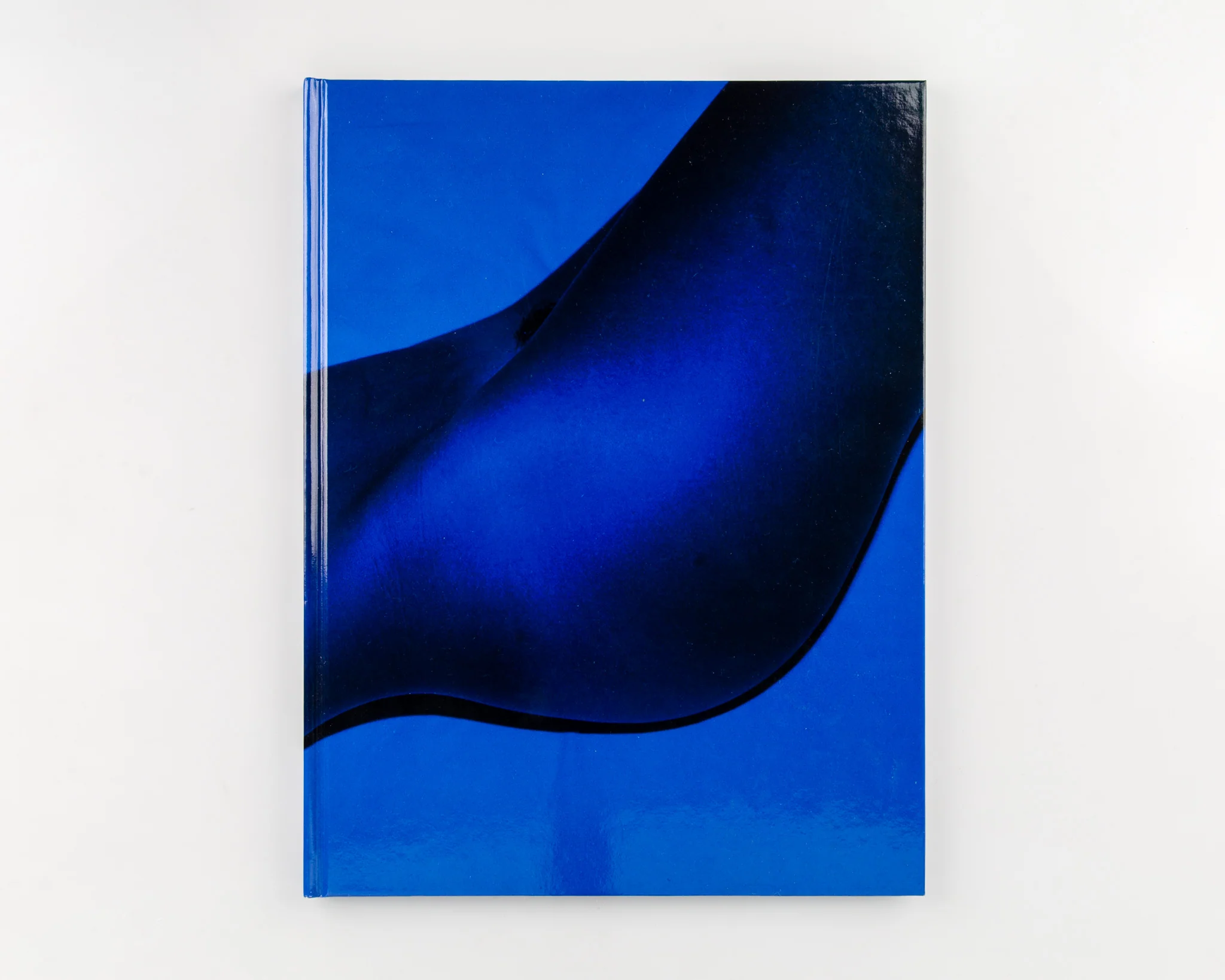
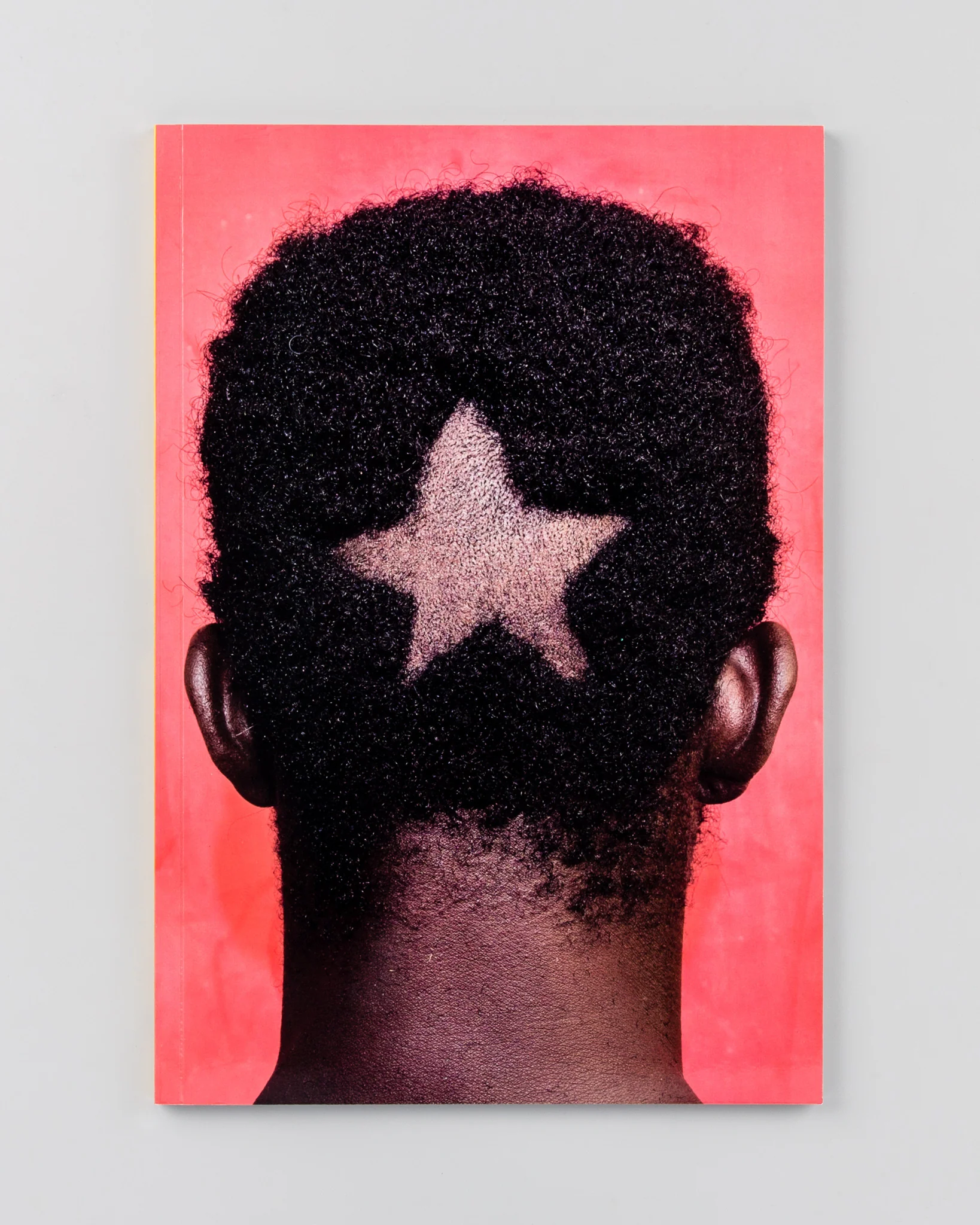
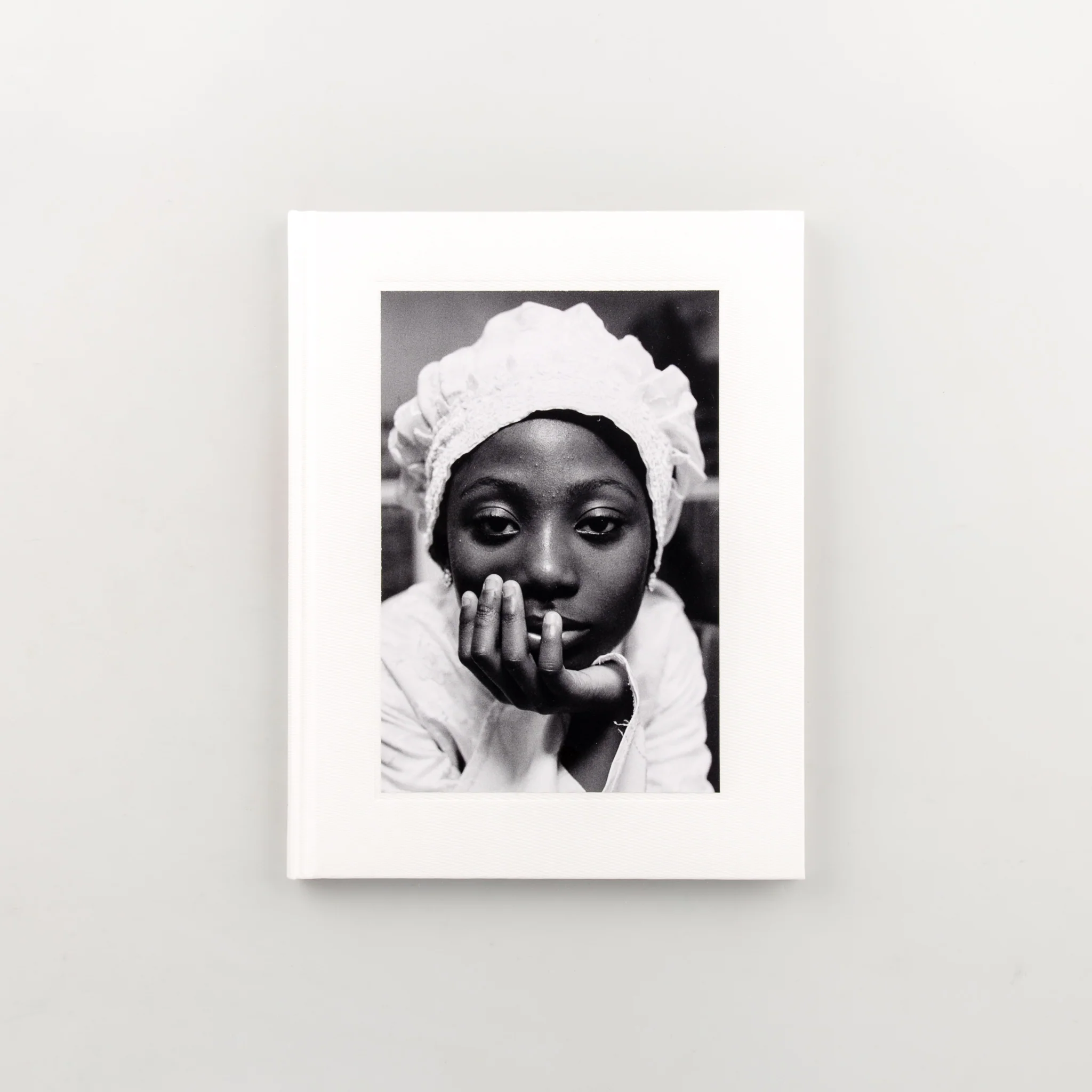
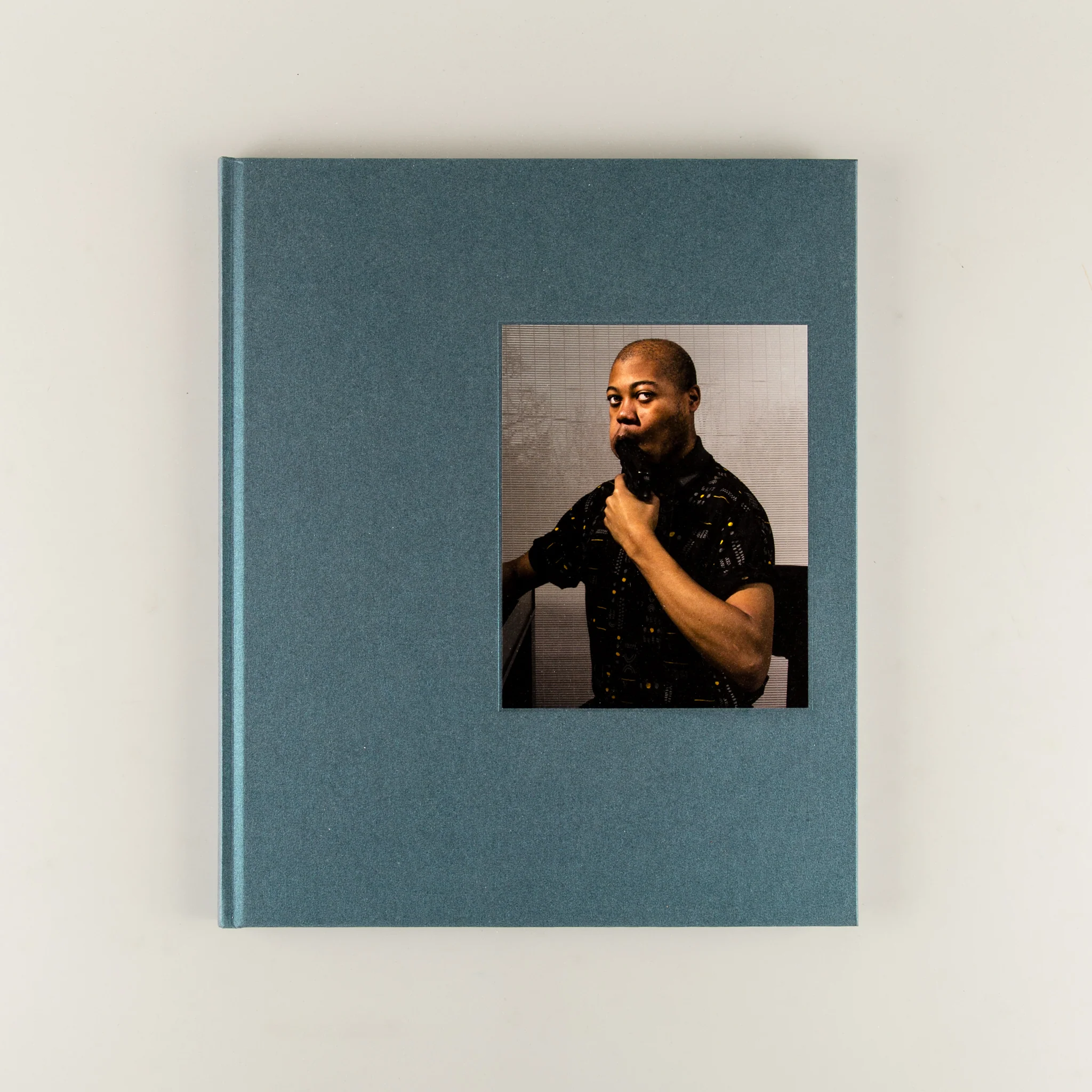
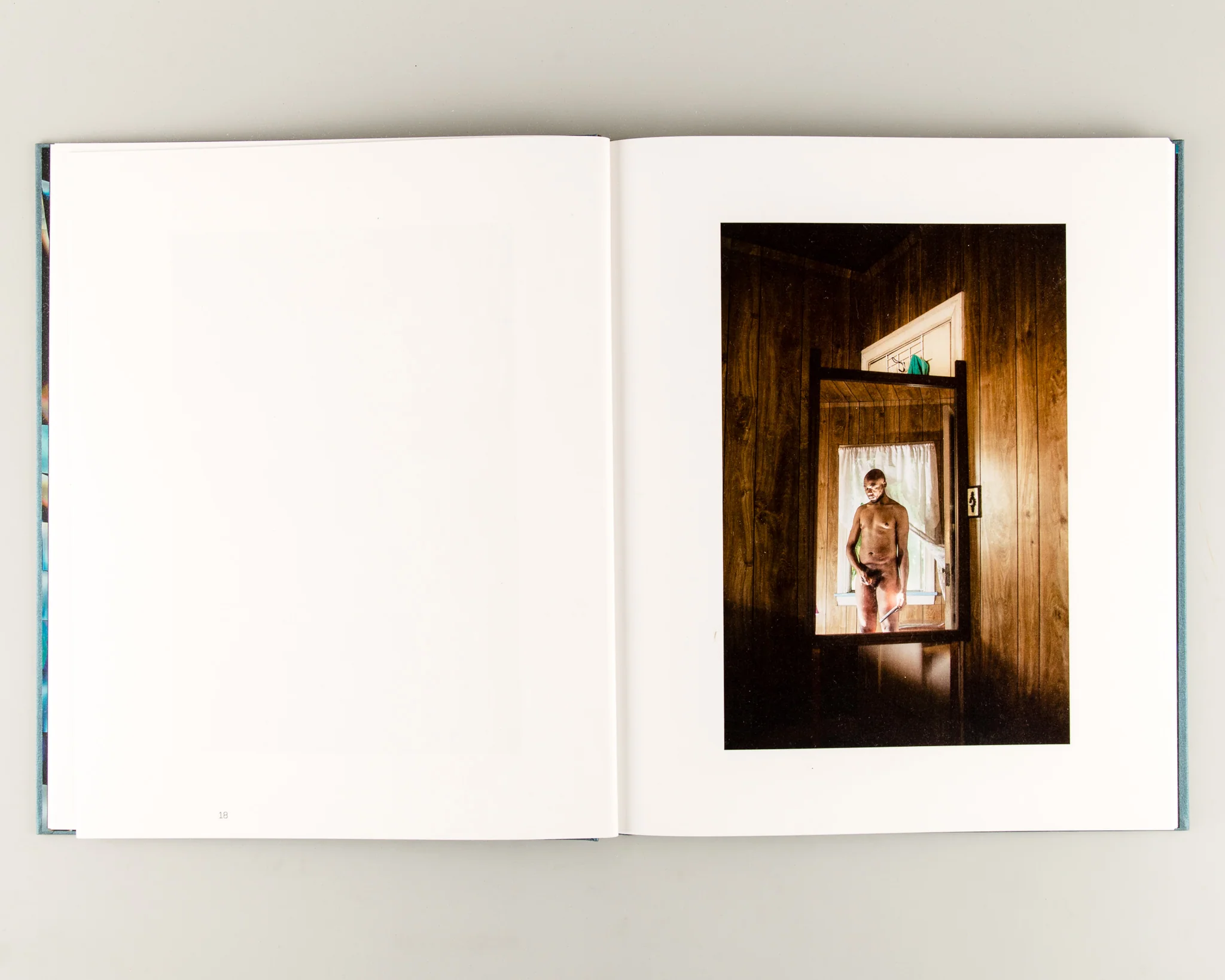
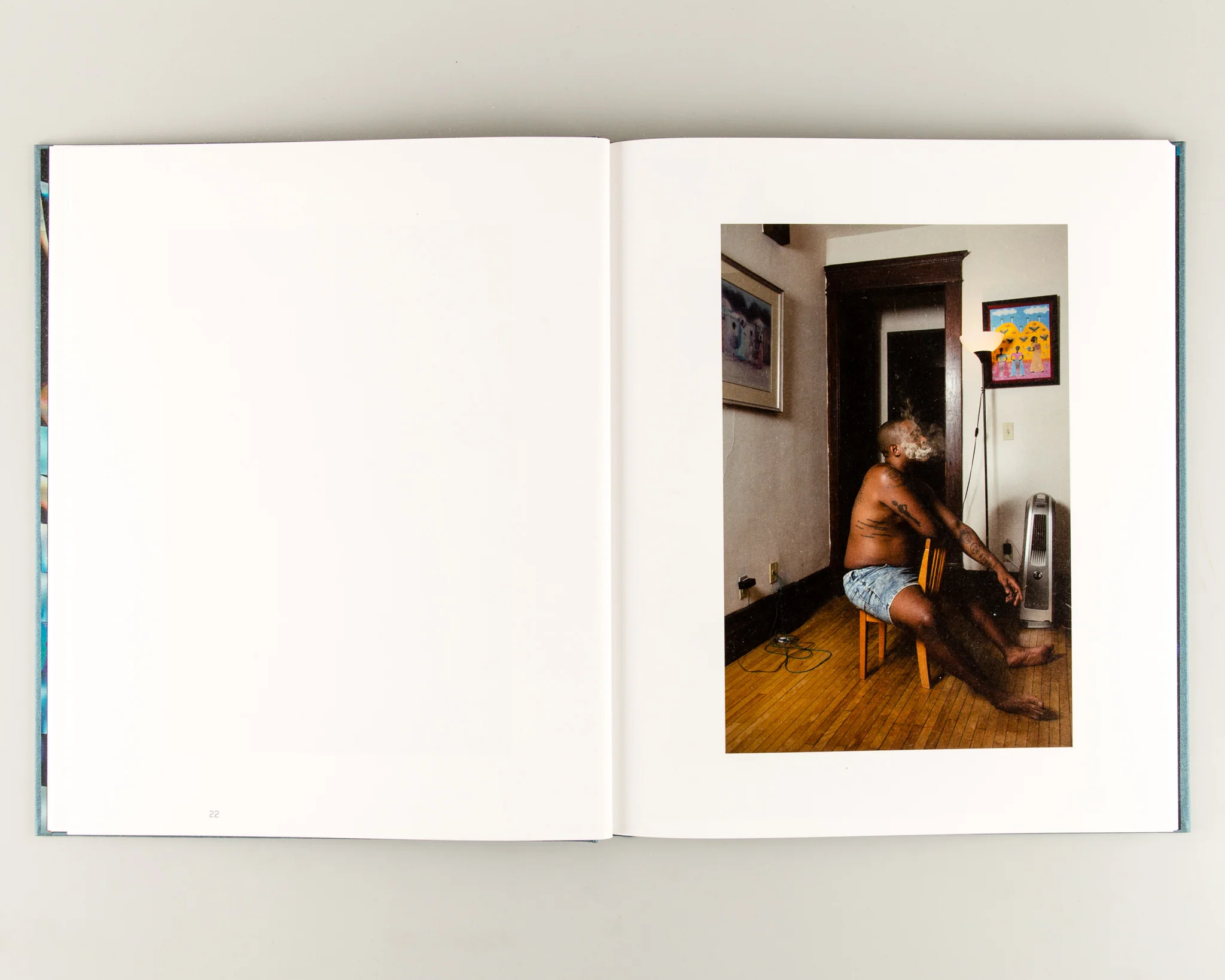
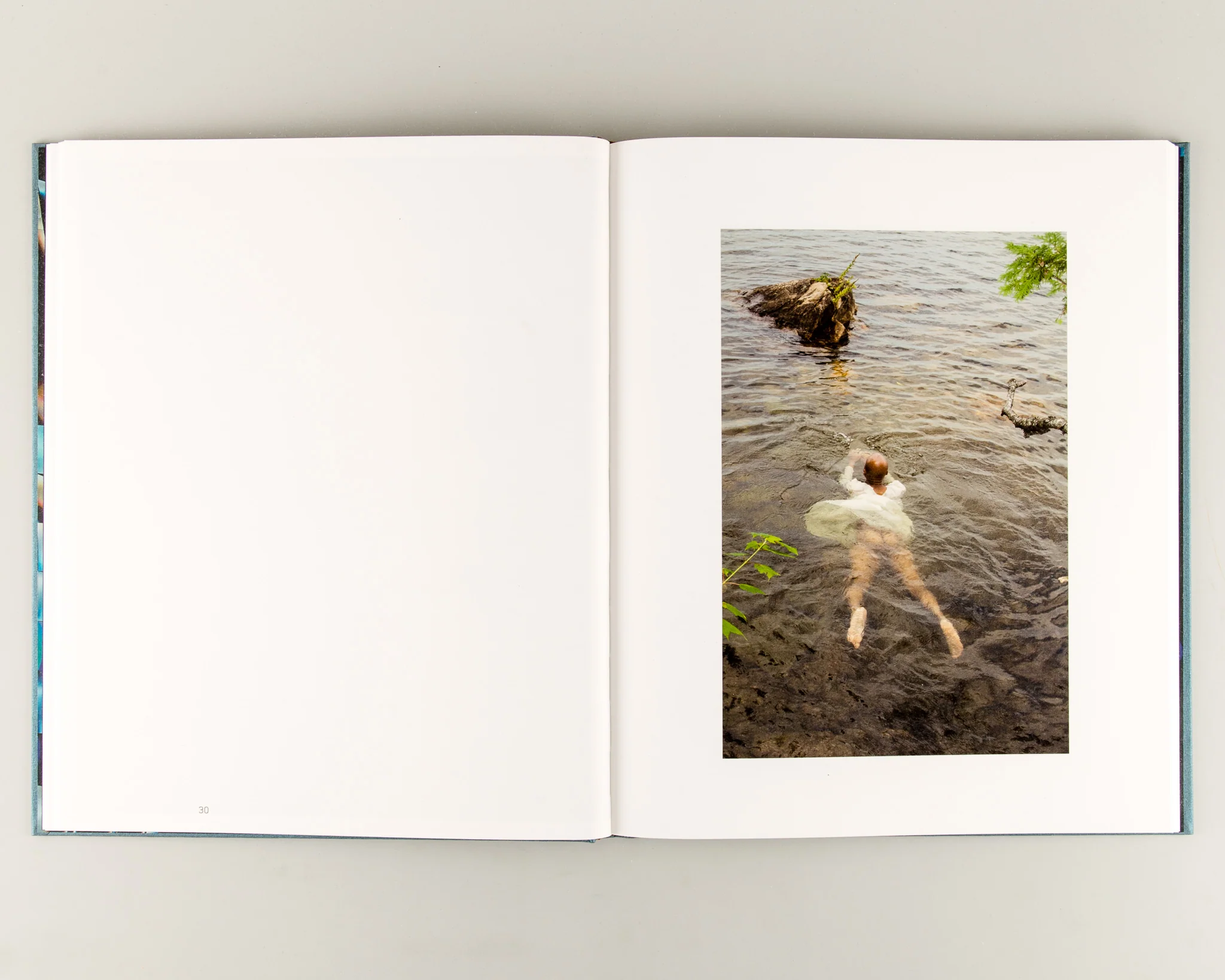
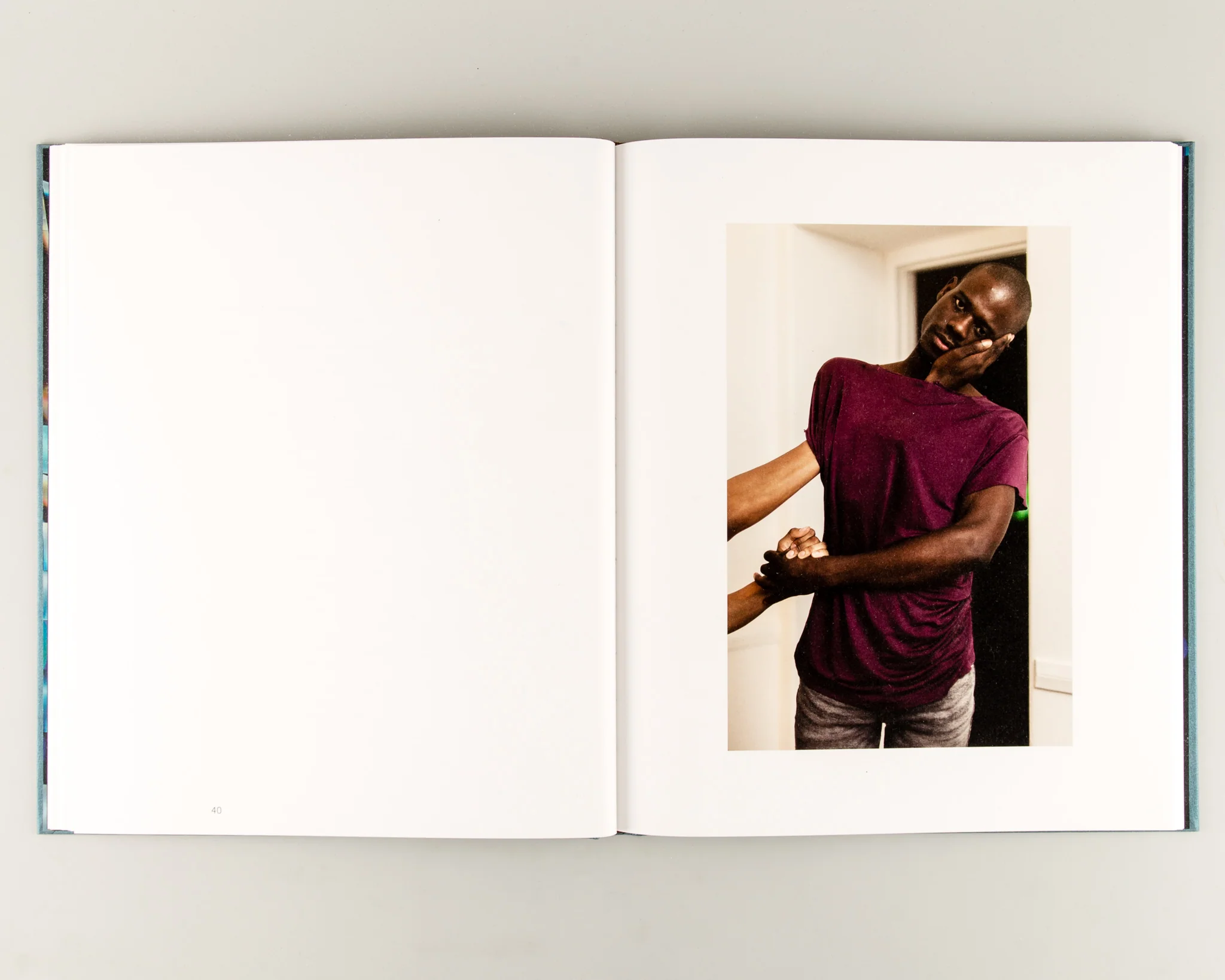
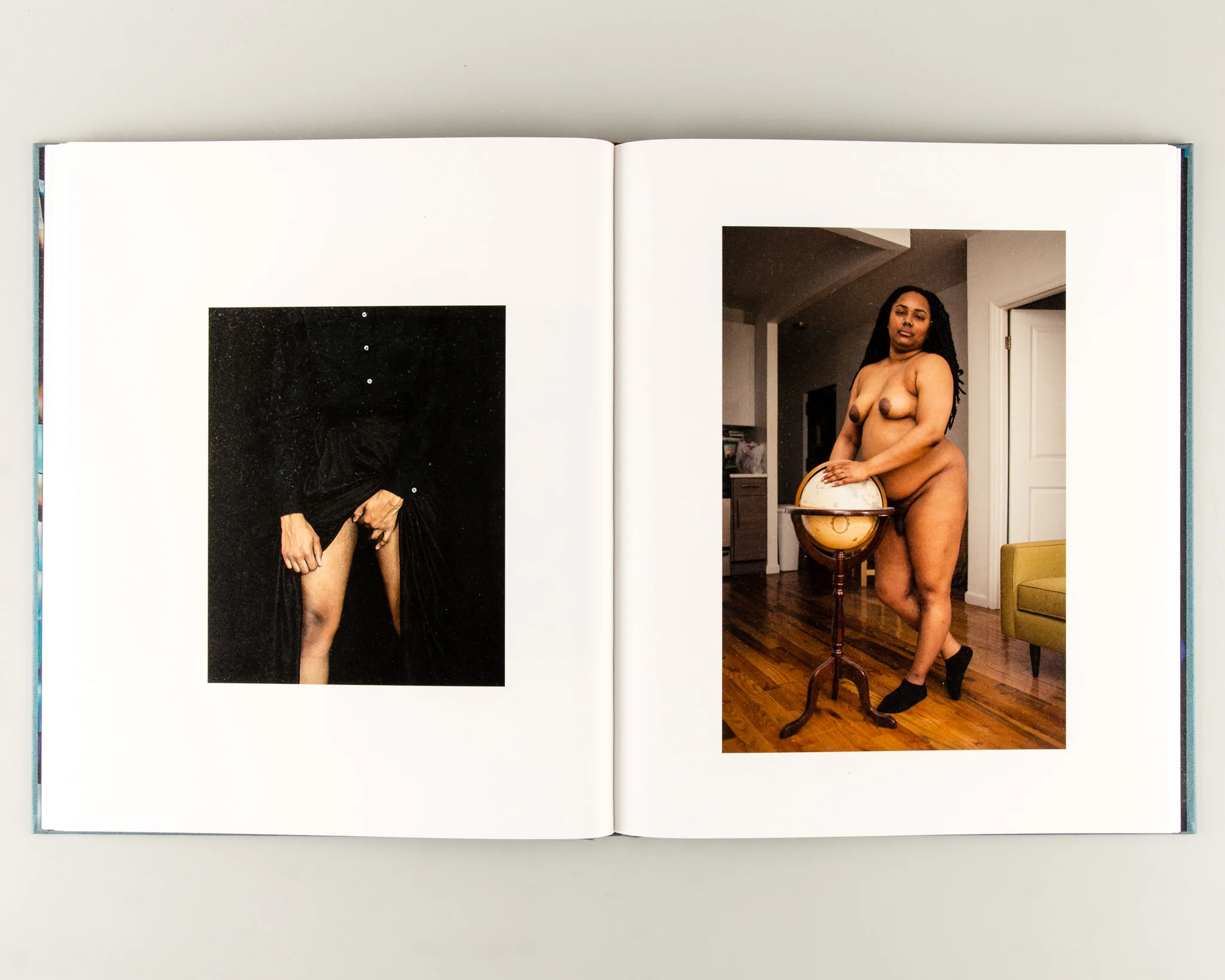
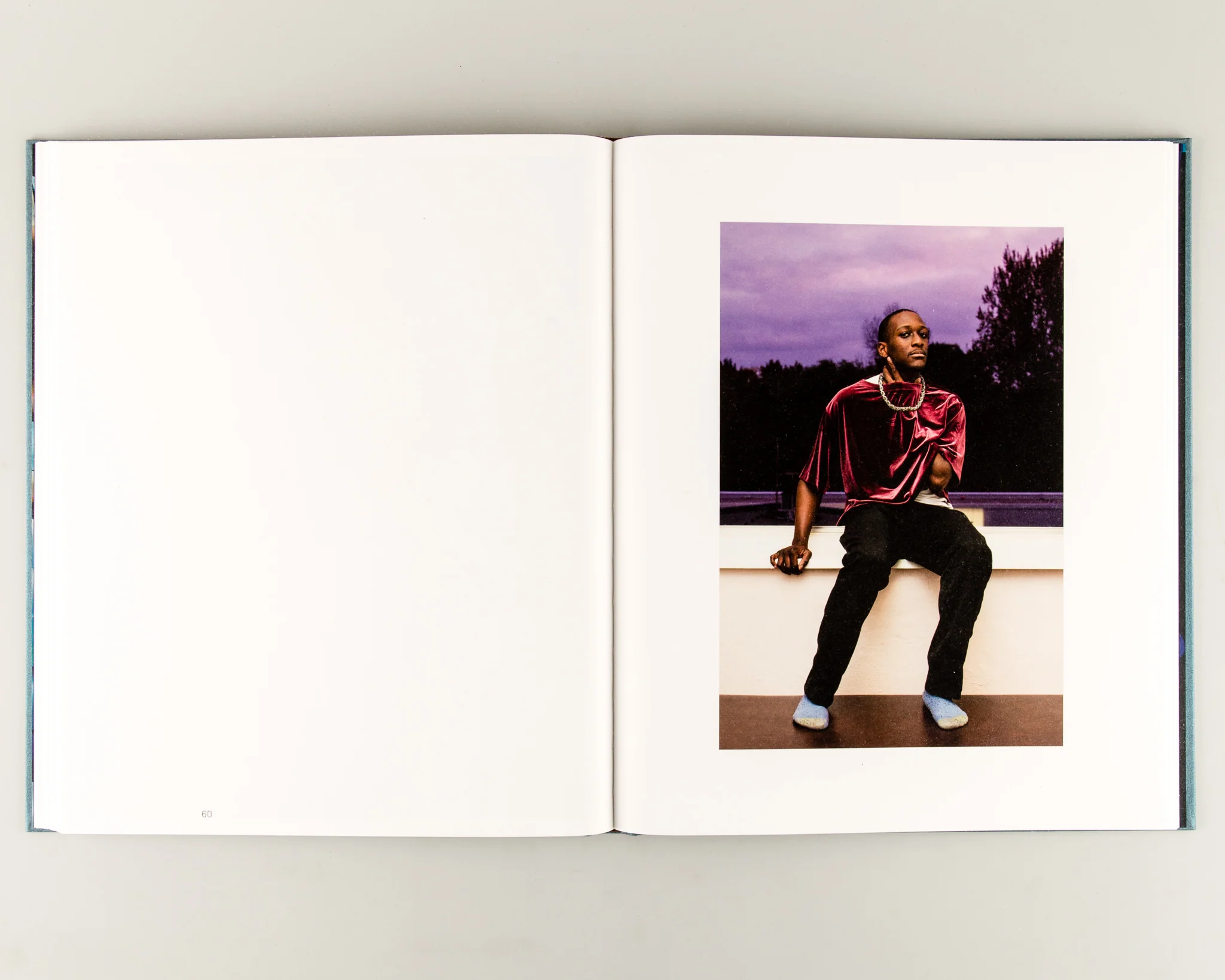
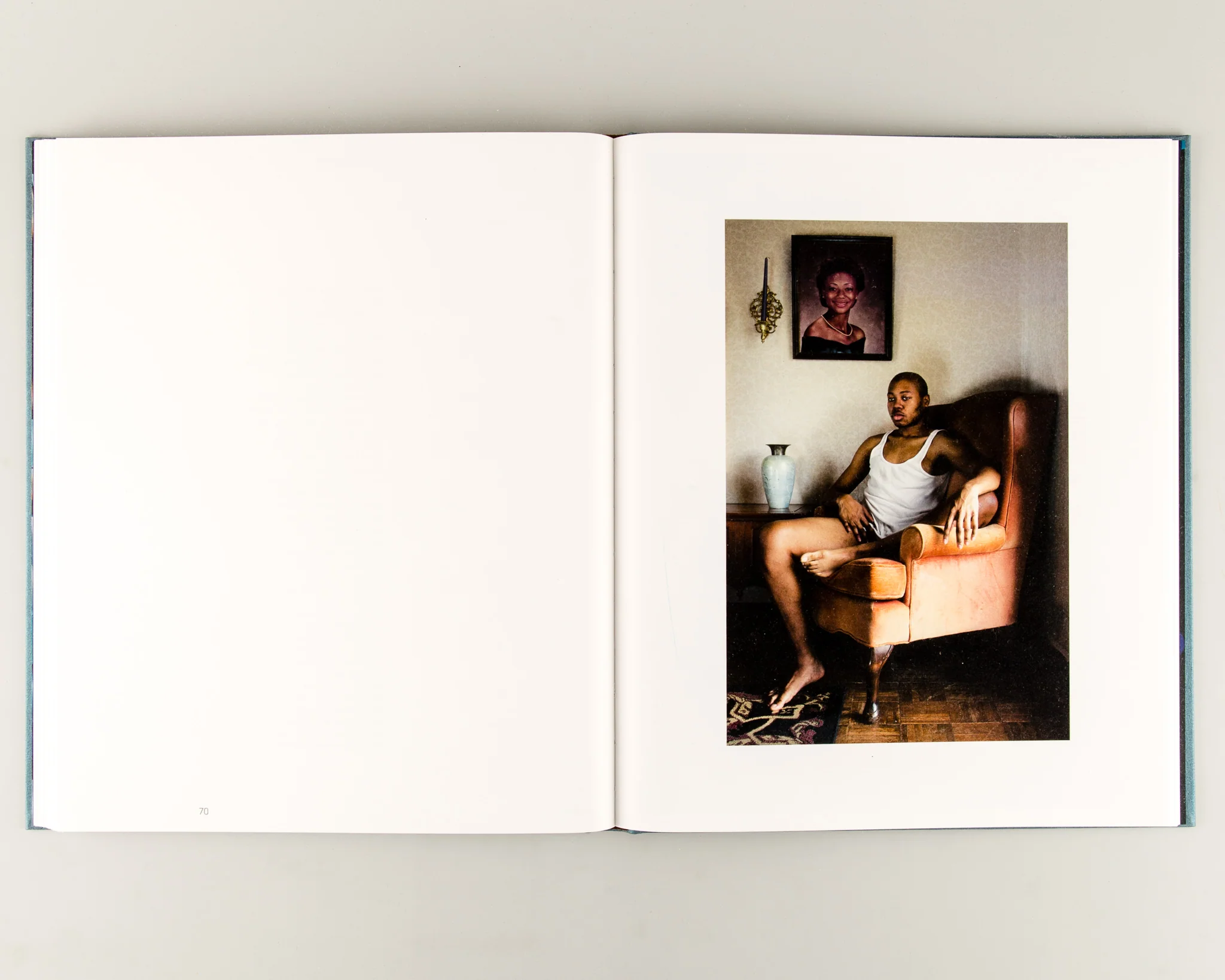
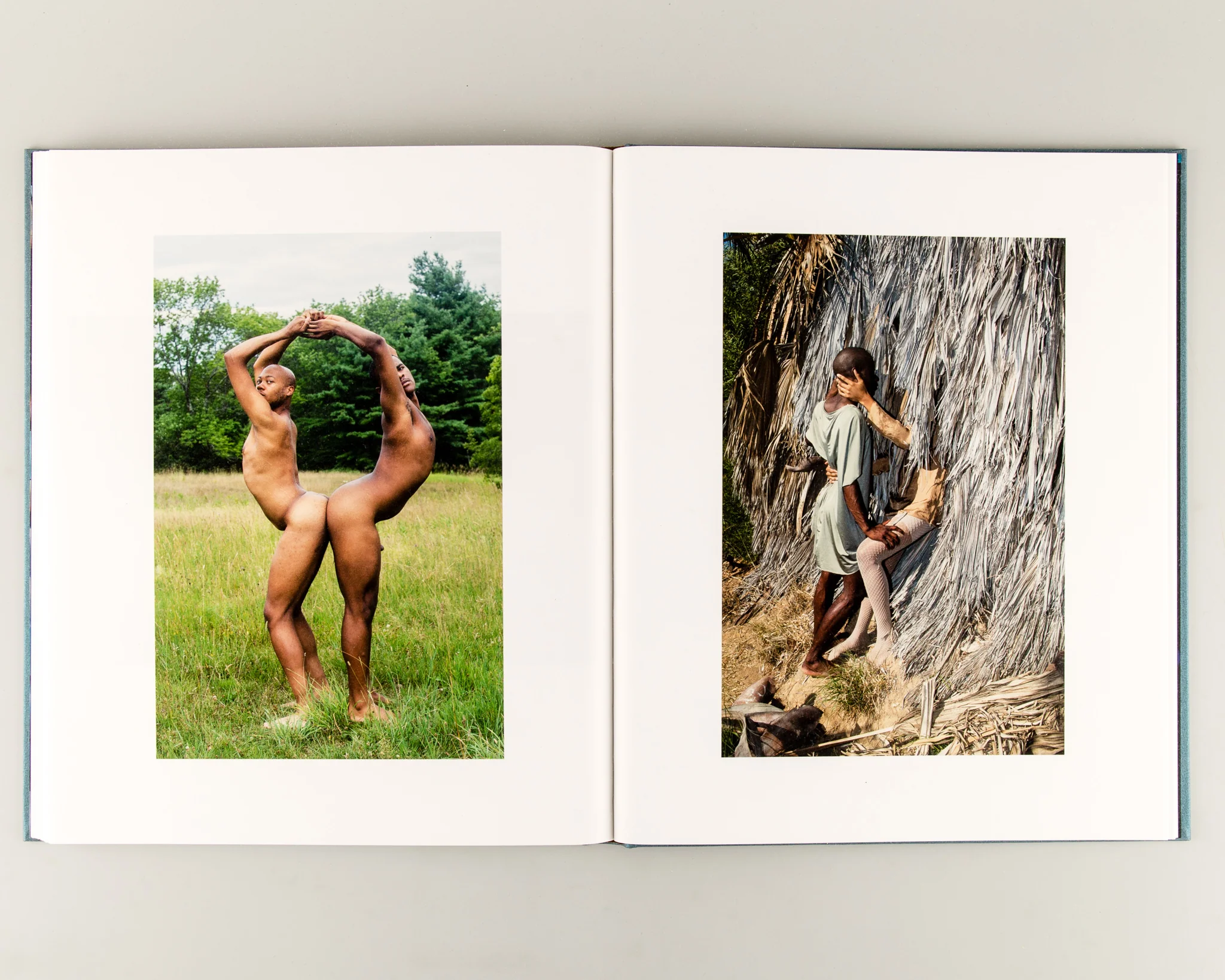
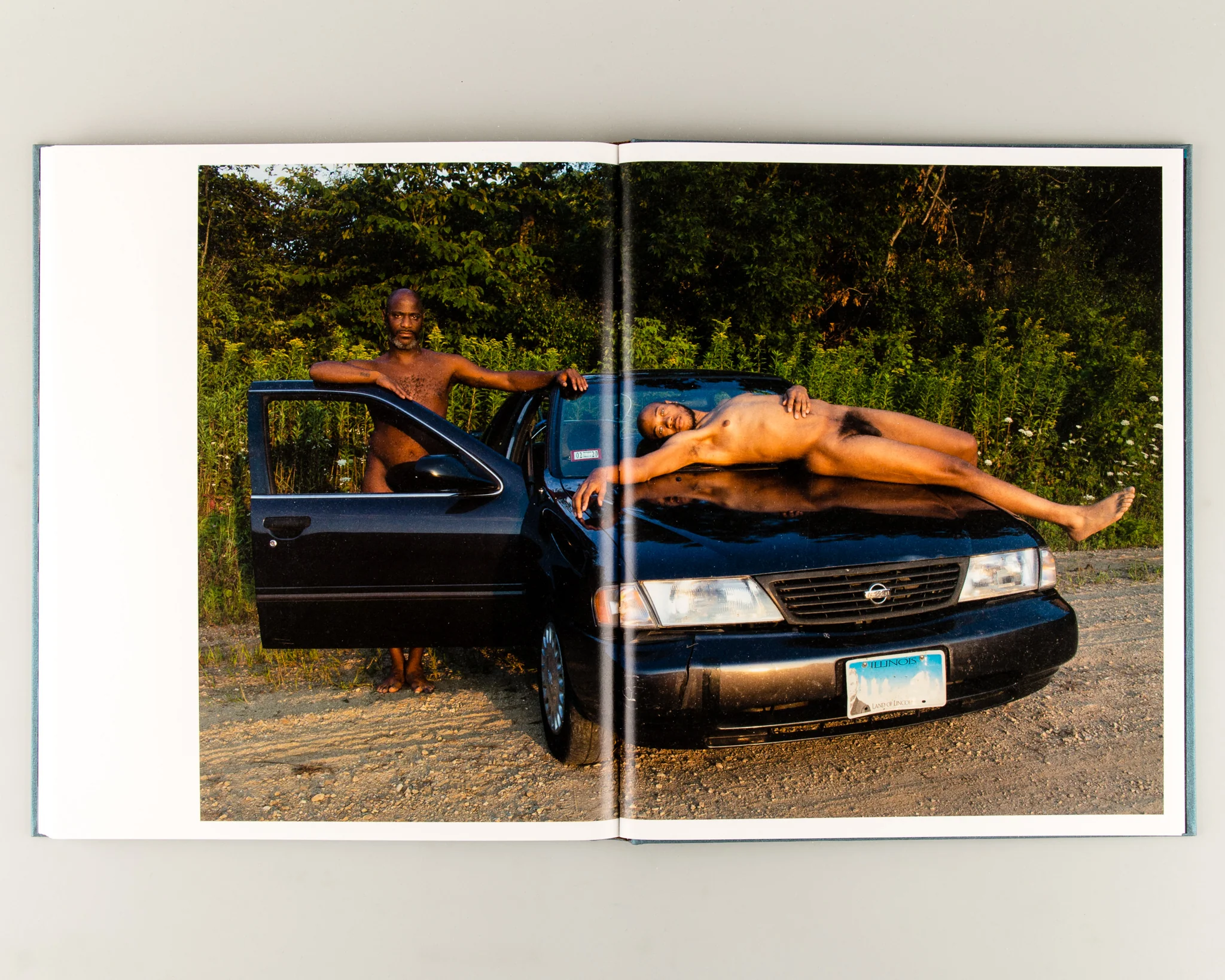
Both an artist’s book and comprehensive inquisition of D’Angelo Lovell Williams’s work to date, Contact High offers an expansive engagement with the visualisation of desire and depiction of the Black body. Williams’s narrative images reflect the many forms in which Black queer people exist and have existed historically within each other’s lives, picturing them as sitters, lovers, caregivers, or shadows. Williams’s work is guided by their life experience and an interrogation of their own perspective, as well as wider questions around the representation of race, class, sexuality, gender, and intimacy. The title Contact High references the importance of touch and gesture in Williams‘s work, and alludes to heightened senses and intuitive movement.
From self-portraits to collaborations with community, Williams’s photographs visualise the Black body in performative scenes that are theatrical, dance-like, and occasionally mundane, pointing towards collective histories and Black ancestral practices. At the heart of these intimate, dialogic images are notions of kinship and spirituality interweaved with quietly political and radical gestures. Williams’s unfaltering gaze insists on visibility and deference, and creates scenes in which Black and queer voices are the authority. The dynamics that play out between families, cultures, friends, lovers, ancestors and descendants are visualised as a spectrum of care, tenderness, and vulnerability, speaking to the nuances of our complex lives often overlooked by historical depictions.
Original: $54.36
-65%$54.36
$19.03More Images
Contact High (SIGNED)
Both an artist’s book and comprehensive inquisition of D’Angelo Lovell Williams’s work to date, Contact High offers an expansive engagement with the visualisation of desire and depiction of the Black body. Williams’s narrative images reflect the many forms in which Black queer people exist and have existed historically within each other’s lives, picturing them as sitters, lovers, caregivers, or shadows. Williams’s work is guided by their life experience and an interrogation of their own perspective, as well as wider questions around the representation of race, class, sexuality, gender, and intimacy. The title Contact High references the importance of touch and gesture in Williams‘s work, and alludes to heightened senses and intuitive movement.
From self-portraits to collaborations with community, Williams’s photographs visualise the Black body in performative scenes that are theatrical, dance-like, and occasionally mundane, pointing towards collective histories and Black ancestral practices. At the heart of these intimate, dialogic images are notions of kinship and spirituality interweaved with quietly political and radical gestures. Williams’s unfaltering gaze insists on visibility and deference, and creates scenes in which Black and queer voices are the authority. The dynamics that play out between families, cultures, friends, lovers, ancestors and descendants are visualised as a spectrum of care, tenderness, and vulnerability, speaking to the nuances of our complex lives often overlooked by historical depictions.
Product Information
Product Information
Shipping & Returns
Shipping & Returns
Description
Both an artist’s book and comprehensive inquisition of D’Angelo Lovell Williams’s work to date, Contact High offers an expansive engagement with the visualisation of desire and depiction of the Black body. Williams’s narrative images reflect the many forms in which Black queer people exist and have existed historically within each other’s lives, picturing them as sitters, lovers, caregivers, or shadows. Williams’s work is guided by their life experience and an interrogation of their own perspective, as well as wider questions around the representation of race, class, sexuality, gender, and intimacy. The title Contact High references the importance of touch and gesture in Williams‘s work, and alludes to heightened senses and intuitive movement.
From self-portraits to collaborations with community, Williams’s photographs visualise the Black body in performative scenes that are theatrical, dance-like, and occasionally mundane, pointing towards collective histories and Black ancestral practices. At the heart of these intimate, dialogic images are notions of kinship and spirituality interweaved with quietly political and radical gestures. Williams’s unfaltering gaze insists on visibility and deference, and creates scenes in which Black and queer voices are the authority. The dynamics that play out between families, cultures, friends, lovers, ancestors and descendants are visualised as a spectrum of care, tenderness, and vulnerability, speaking to the nuances of our complex lives often overlooked by historical depictions.