🚚 Free Worldwide Shipping on All Orders!Shop Now
Companions
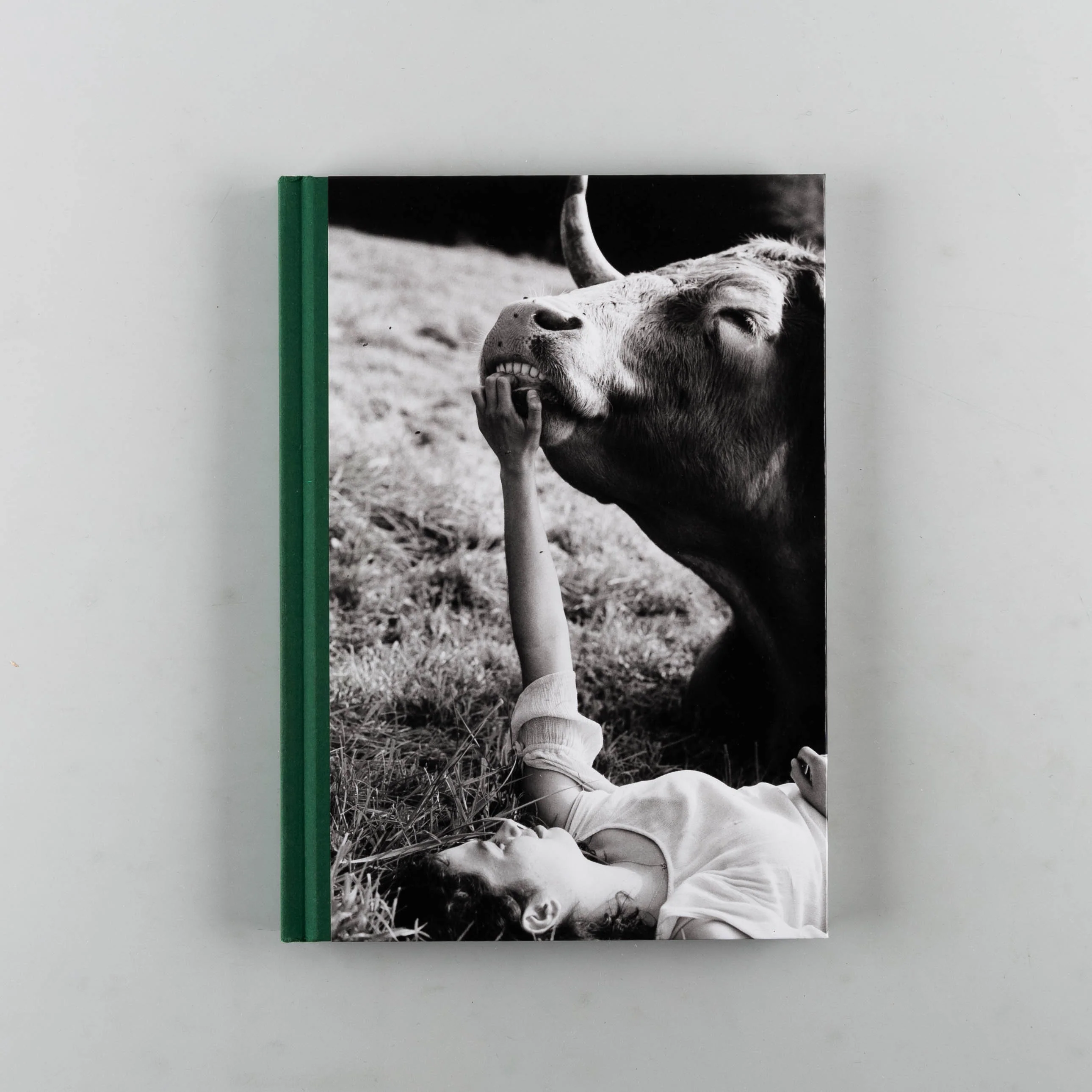
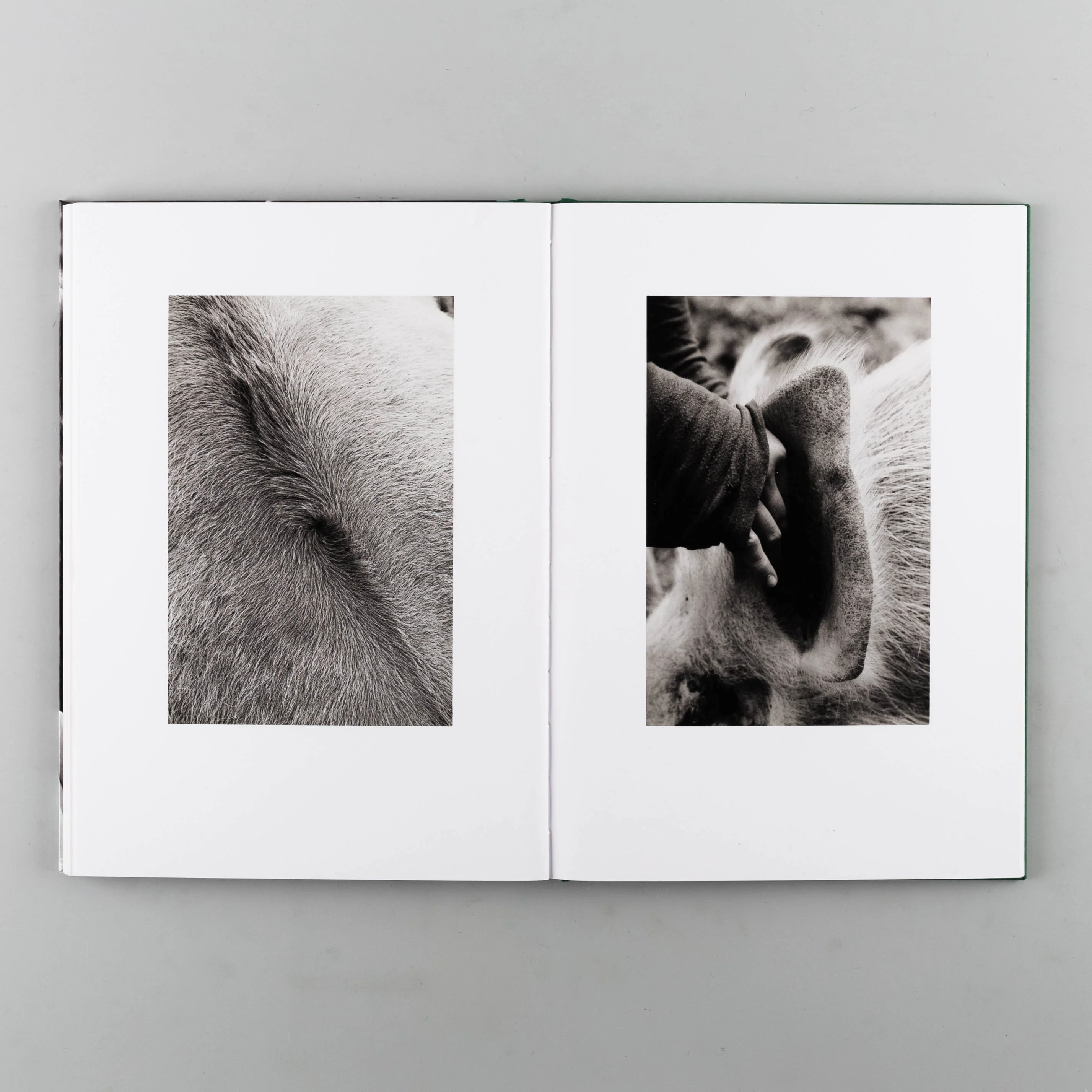
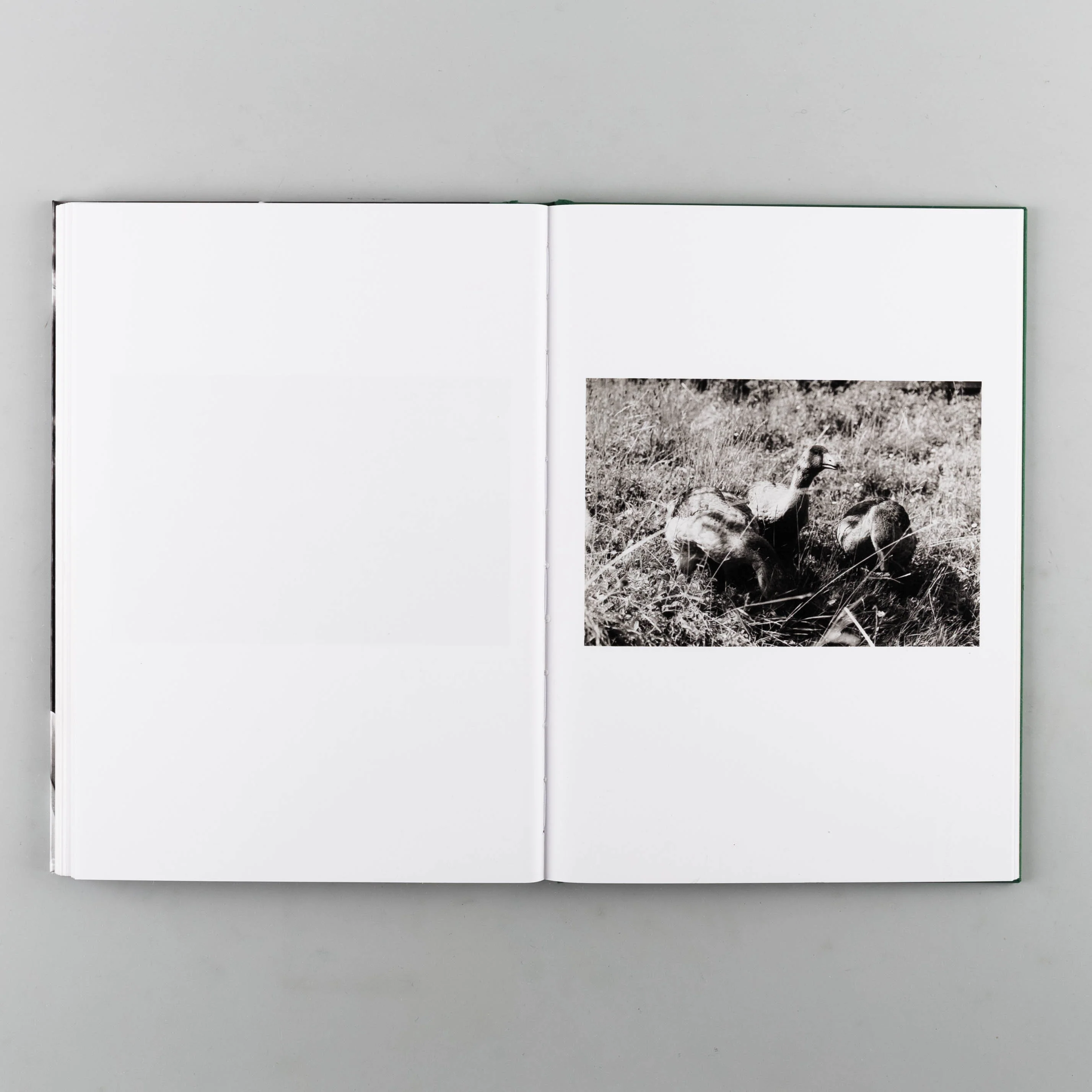
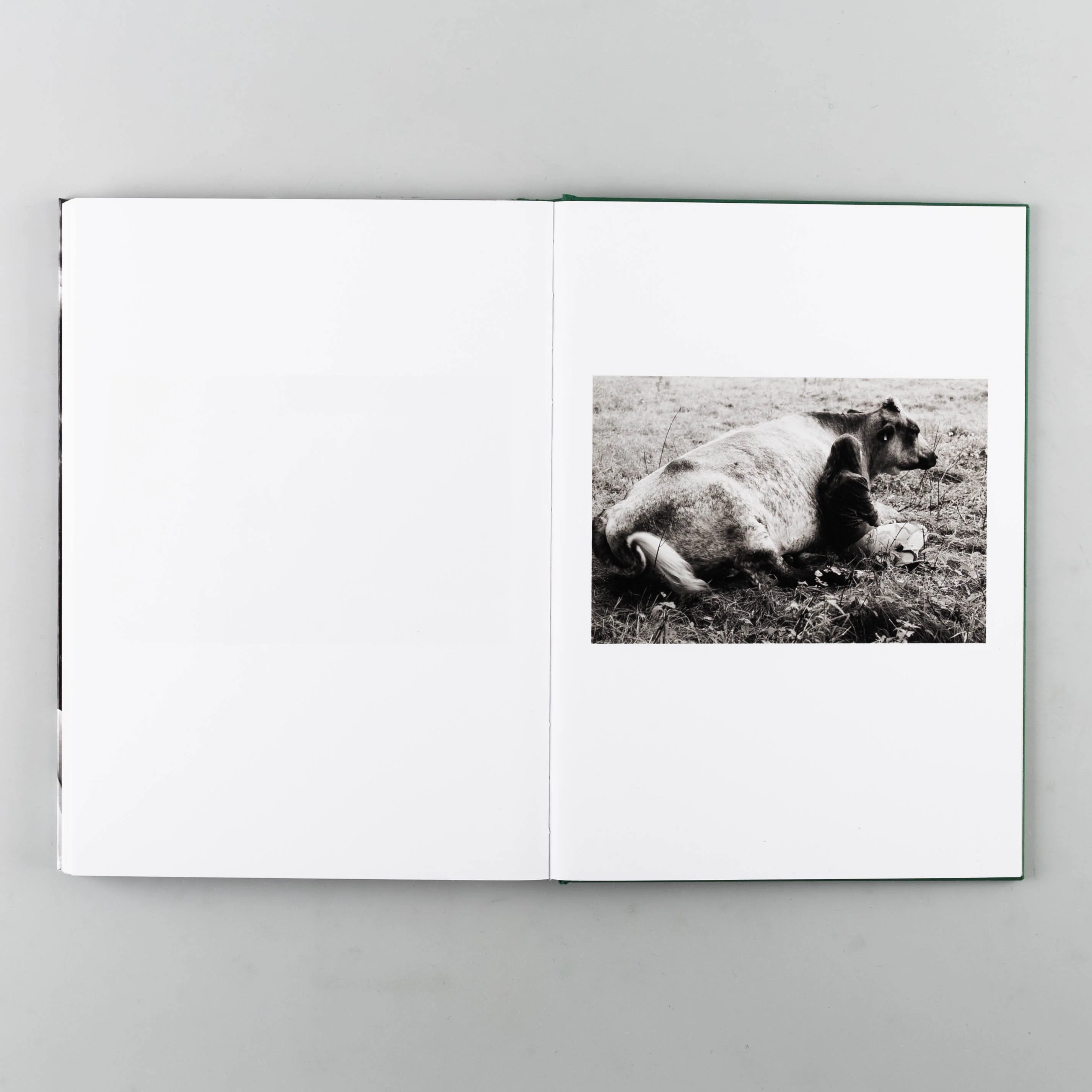
Wernicke documents with subtle grace the close bonds between two young women and the farm animals that they rescue, love, play with and care for, in a series mixing German romanticism and modern ethics.
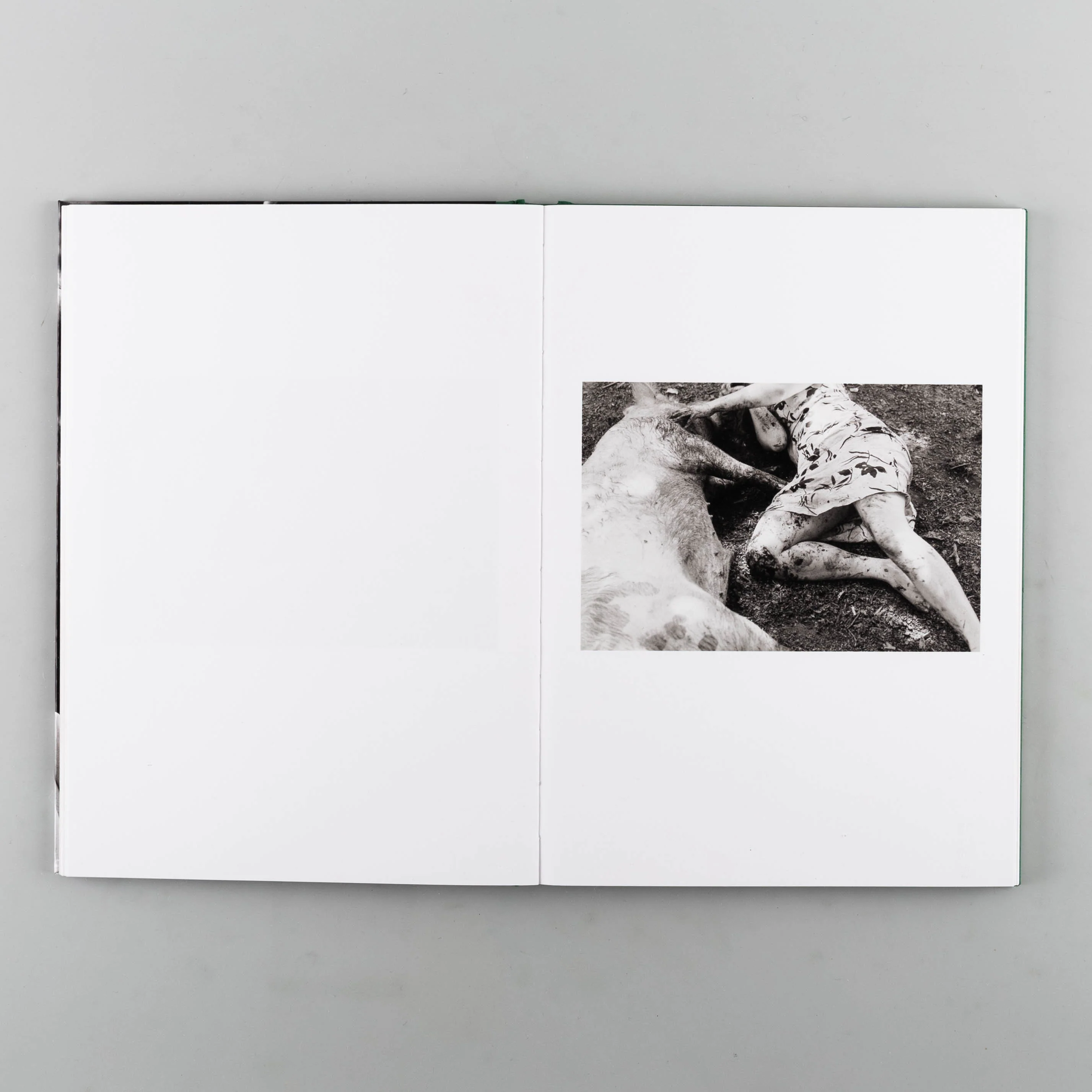
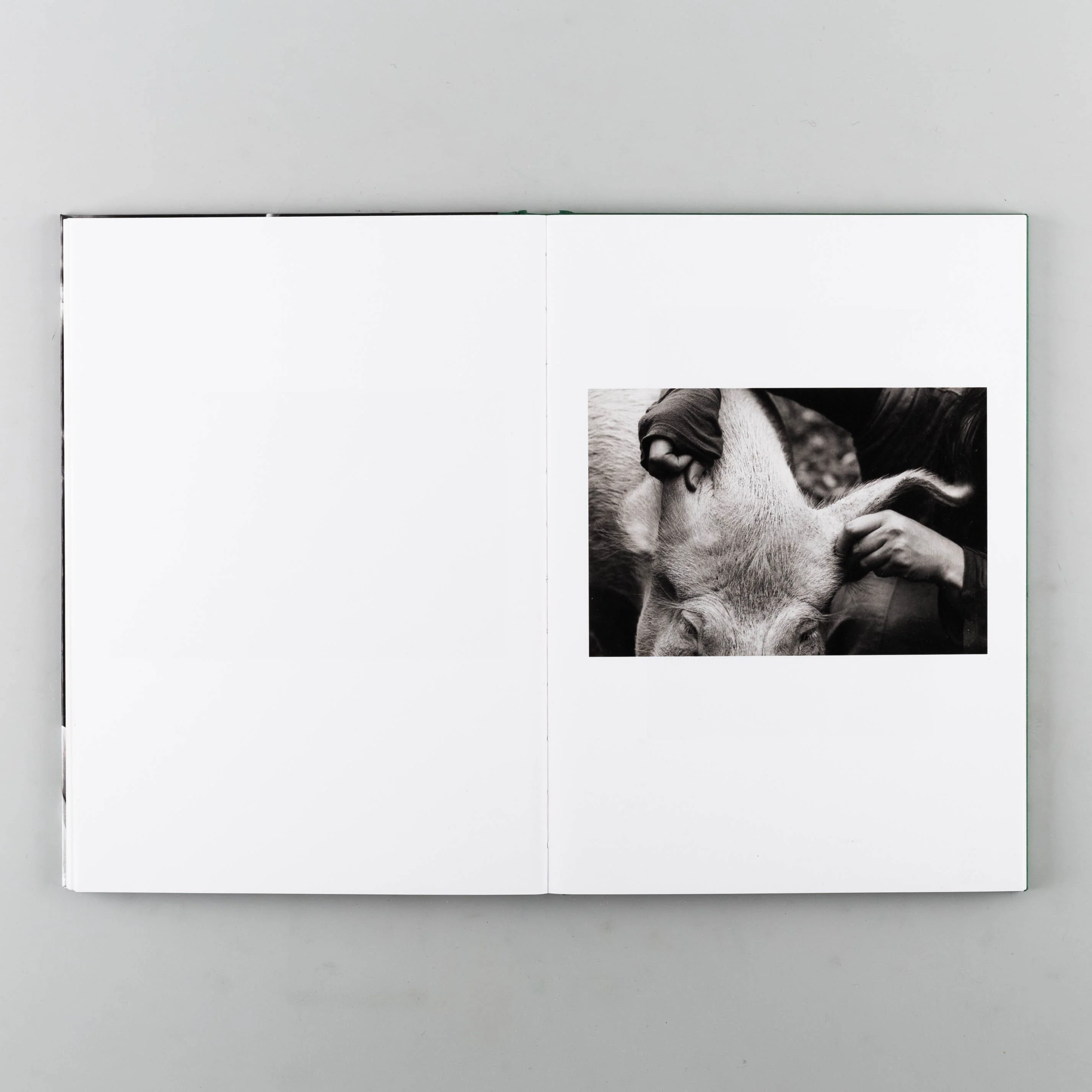
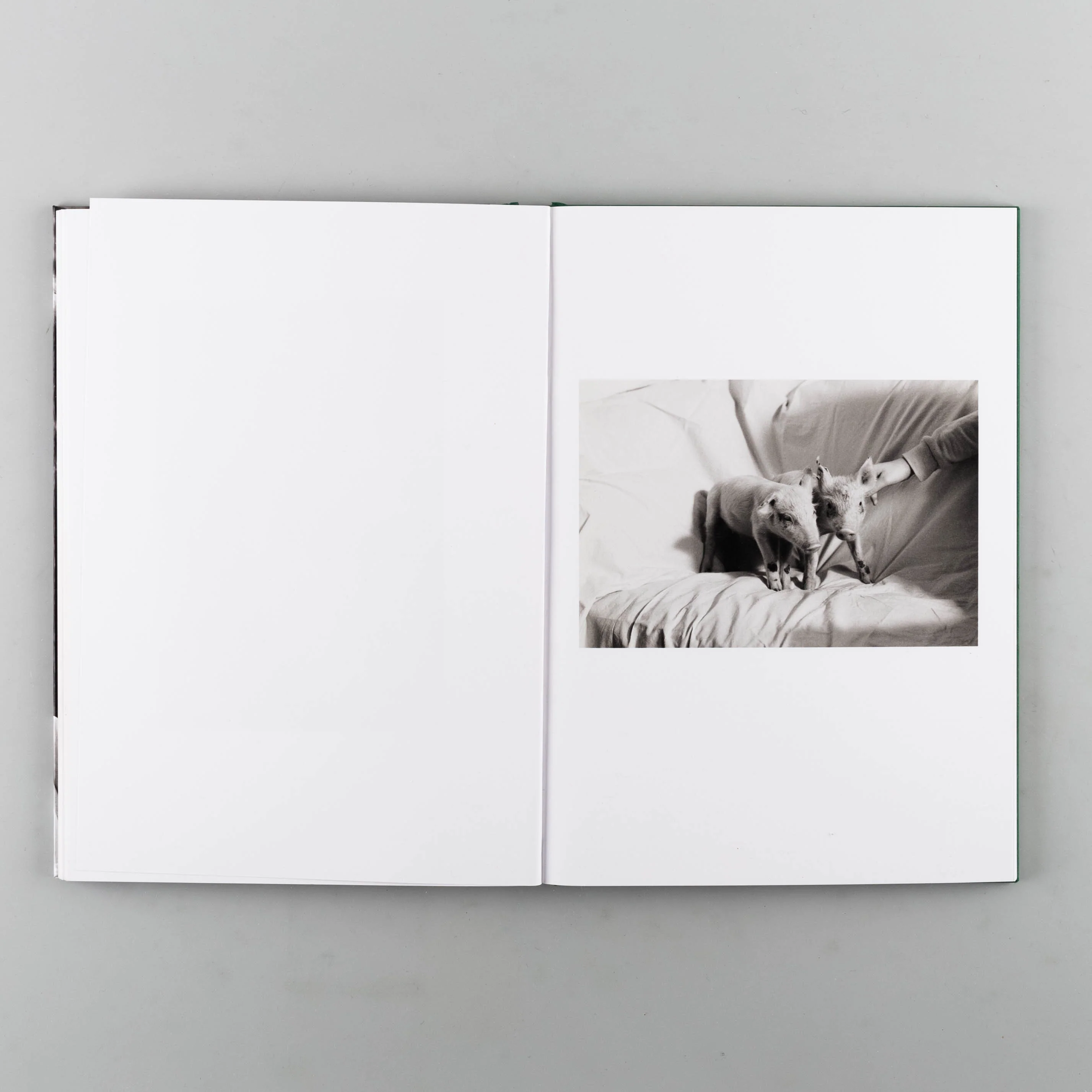
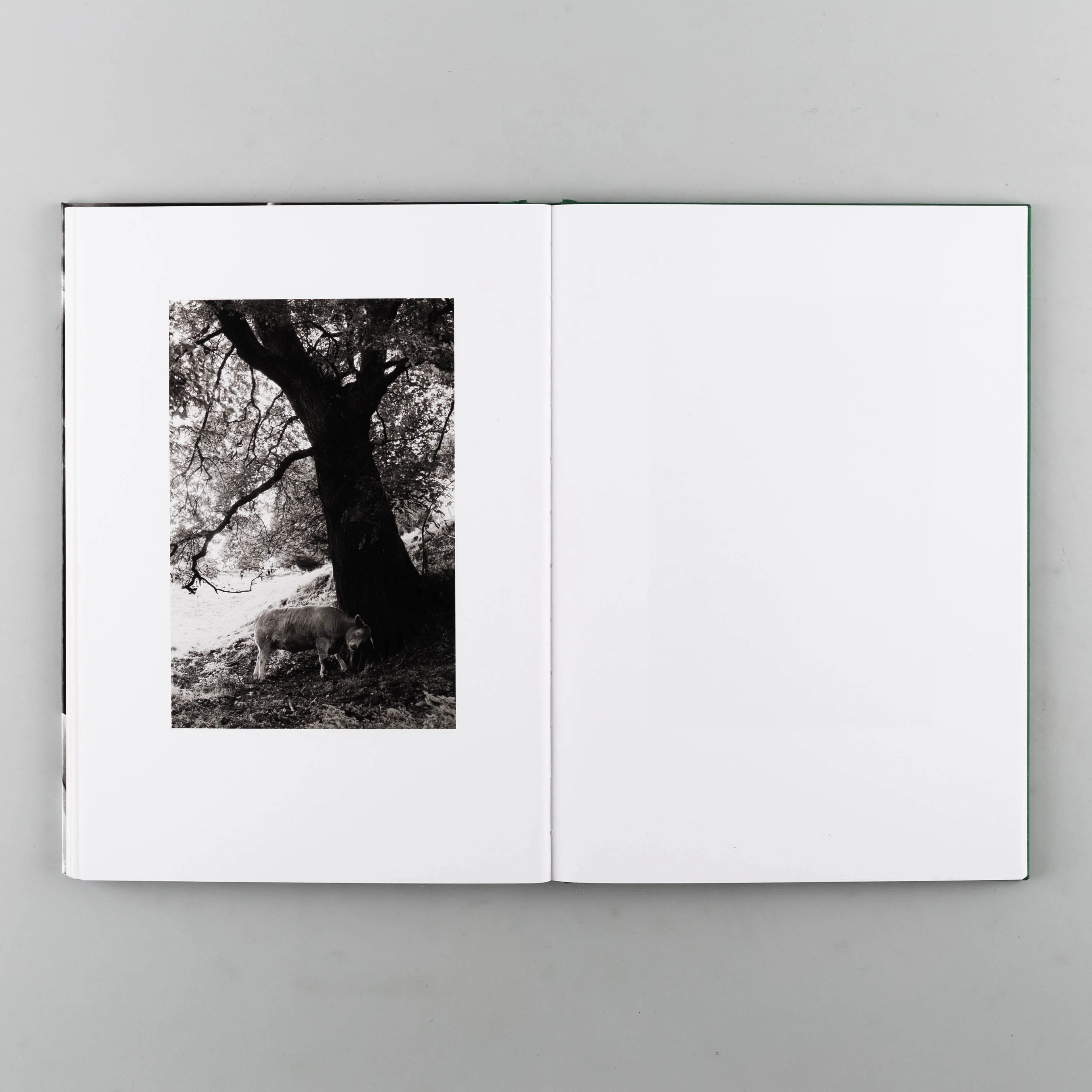
John Berger’s landmark Why Look at Animals? describes the ‘species loneliness’ of modern man: how the ancient relationships between humans and nature have broken down, reducing the existence of animals to marginalised objects, as commodities, and as Other. Concerned with modern humanity’s yearning for a deeper connection to ecology, Wernicke’s series is a touching portrait of two young women who have established profound relationships with animals. Rosina and Julie each independently save animals from certain death and create bonds of love and trust with animals typically considered solely for their economic value.
In German, Companions, or Weggefährten, is a hybrid word that translates literally as ‘those who walk the path together’. Through tenderness, touch and intuition, Wernicke’s camera follows that path – of joy, emotions, tenderness and play between humans and animals – striving to close the gulf between our emotional consciousness and those of the other animals we live alongside.
John Berger’s landmark Why Look at Animals? describes the ‘species loneliness’ of modern man: how the ancient relationships between humans and nature have broken down, reducing the existence of animals to marginalised objects, as commodities, and as Other. Concerned with modern humanity’s yearning for a deeper connection to ecology, Wernicke’s series is a touching portrait of two young women who have established profound relationships with animals. Rosina and Julie each independently save animals from certain death and create bonds of love and trust with animals typically considered solely for their economic value.
In German, Companions, or Weggefährten, is a hybrid word that translates literally as ‘those who walk the path together’. Through tenderness, touch and intuition, Wernicke’s camera follows that path – of joy, emotions, tenderness and play between humans and animals – striving to close the gulf between our emotional consciousness and those of the other animals we live alongside.
$54.36
Companions—
$54.36
More Images
Companions
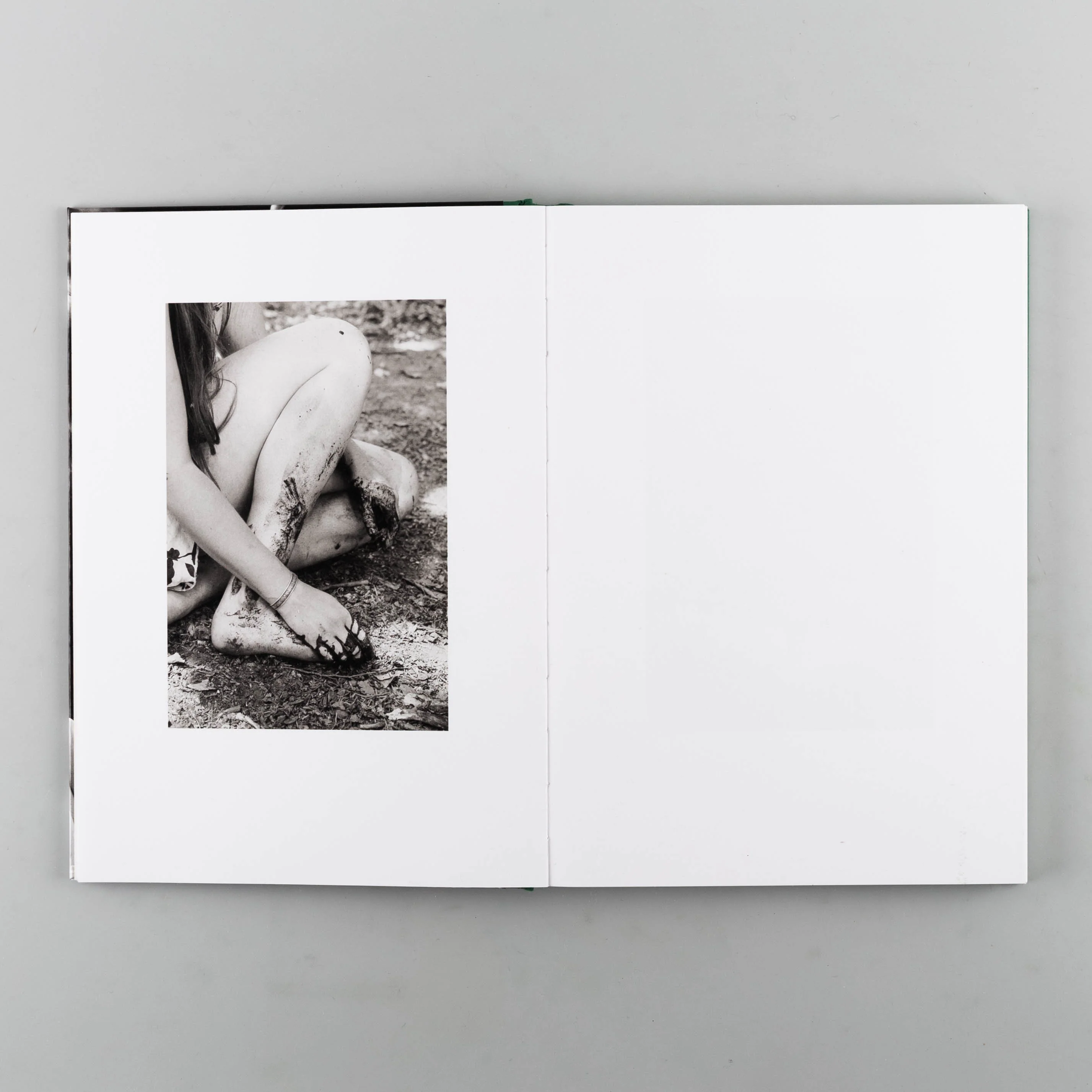
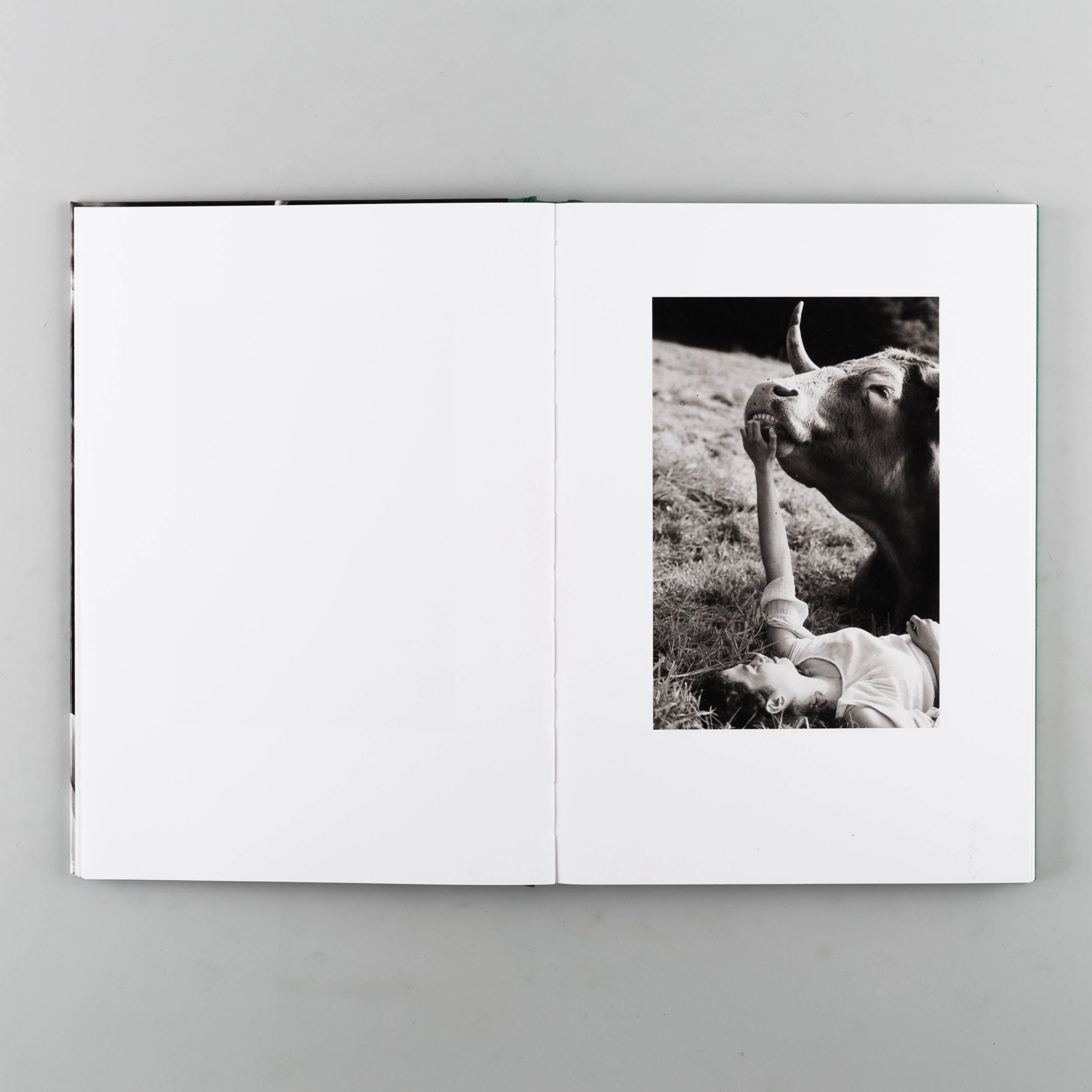
Wernicke documents with subtle grace the close bonds between two young women and the farm animals that they rescue, love, play with and care for, in a series mixing German romanticism and modern ethics.
John Berger’s landmark Why Look at Animals? describes the ‘species loneliness’ of modern man: how the ancient relationships between humans and nature have broken down, reducing the existence of animals to marginalised objects, as commodities, and as Other. Concerned with modern humanity’s yearning for a deeper connection to ecology, Wernicke’s series is a touching portrait of two young women who have established profound relationships with animals. Rosina and Julie each independently save animals from certain death and create bonds of love and trust with animals typically considered solely for their economic value.
In German, Companions, or Weggefährten, is a hybrid word that translates literally as ‘those who walk the path together’. Through tenderness, touch and intuition, Wernicke’s camera follows that path – of joy, emotions, tenderness and play between humans and animals – striving to close the gulf between our emotional consciousness and those of the other animals we live alongside.
John Berger’s landmark Why Look at Animals? describes the ‘species loneliness’ of modern man: how the ancient relationships between humans and nature have broken down, reducing the existence of animals to marginalised objects, as commodities, and as Other. Concerned with modern humanity’s yearning for a deeper connection to ecology, Wernicke’s series is a touching portrait of two young women who have established profound relationships with animals. Rosina and Julie each independently save animals from certain death and create bonds of love and trust with animals typically considered solely for their economic value.
In German, Companions, or Weggefährten, is a hybrid word that translates literally as ‘those who walk the path together’. Through tenderness, touch and intuition, Wernicke’s camera follows that path – of joy, emotions, tenderness and play between humans and animals – striving to close the gulf between our emotional consciousness and those of the other animals we live alongside.
Product Information
Product Information
Shipping & Returns
Shipping & Returns
Description
Wernicke documents with subtle grace the close bonds between two young women and the farm animals that they rescue, love, play with and care for, in a series mixing German romanticism and modern ethics.
John Berger’s landmark Why Look at Animals? describes the ‘species loneliness’ of modern man: how the ancient relationships between humans and nature have broken down, reducing the existence of animals to marginalised objects, as commodities, and as Other. Concerned with modern humanity’s yearning for a deeper connection to ecology, Wernicke’s series is a touching portrait of two young women who have established profound relationships with animals. Rosina and Julie each independently save animals from certain death and create bonds of love and trust with animals typically considered solely for their economic value.
In German, Companions, or Weggefährten, is a hybrid word that translates literally as ‘those who walk the path together’. Through tenderness, touch and intuition, Wernicke’s camera follows that path – of joy, emotions, tenderness and play between humans and animals – striving to close the gulf between our emotional consciousness and those of the other animals we live alongside.
John Berger’s landmark Why Look at Animals? describes the ‘species loneliness’ of modern man: how the ancient relationships between humans and nature have broken down, reducing the existence of animals to marginalised objects, as commodities, and as Other. Concerned with modern humanity’s yearning for a deeper connection to ecology, Wernicke’s series is a touching portrait of two young women who have established profound relationships with animals. Rosina and Julie each independently save animals from certain death and create bonds of love and trust with animals typically considered solely for their economic value.
In German, Companions, or Weggefährten, is a hybrid word that translates literally as ‘those who walk the path together’. Through tenderness, touch and intuition, Wernicke’s camera follows that path – of joy, emotions, tenderness and play between humans and animals – striving to close the gulf between our emotional consciousness and those of the other animals we live alongside.