Bravo
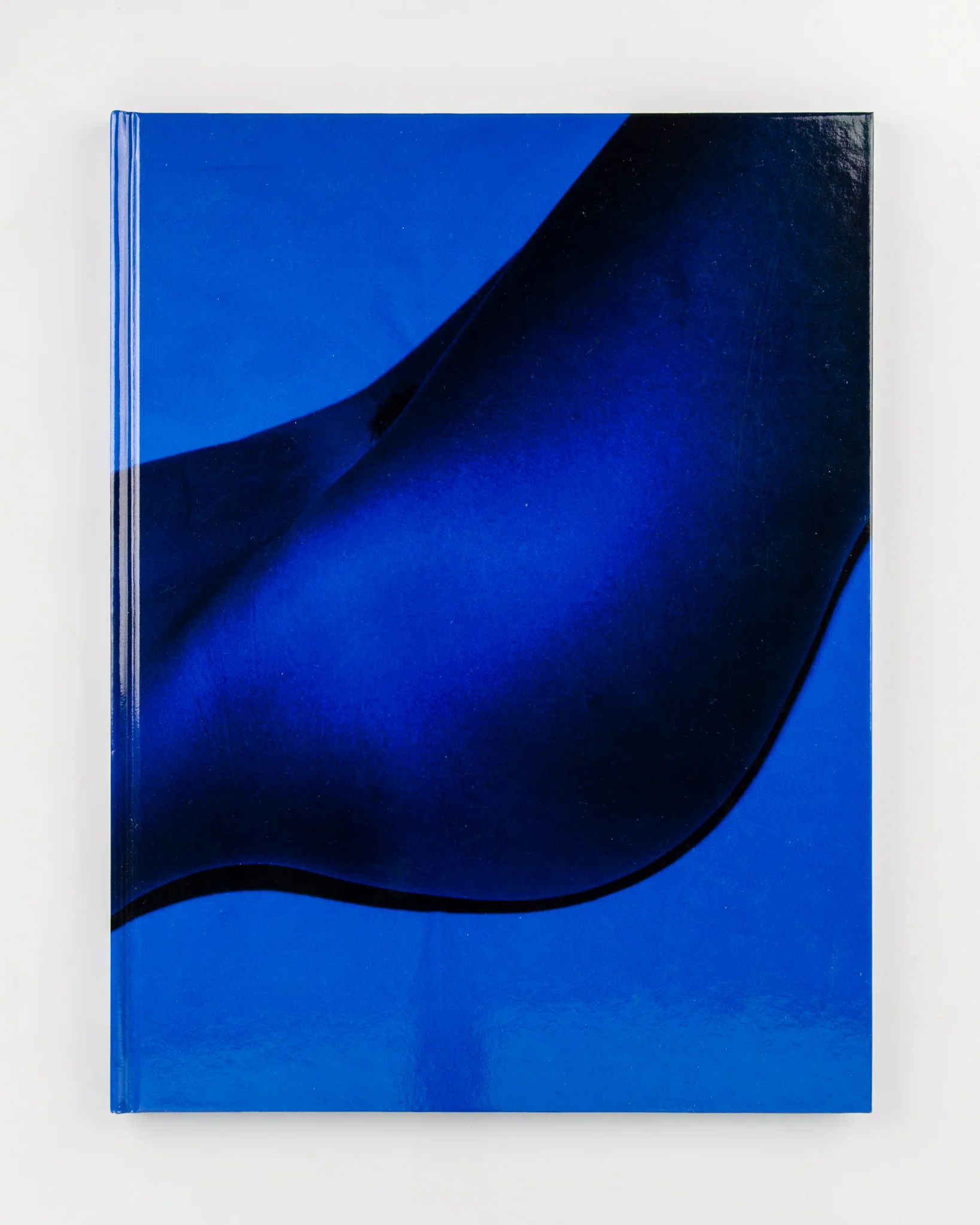
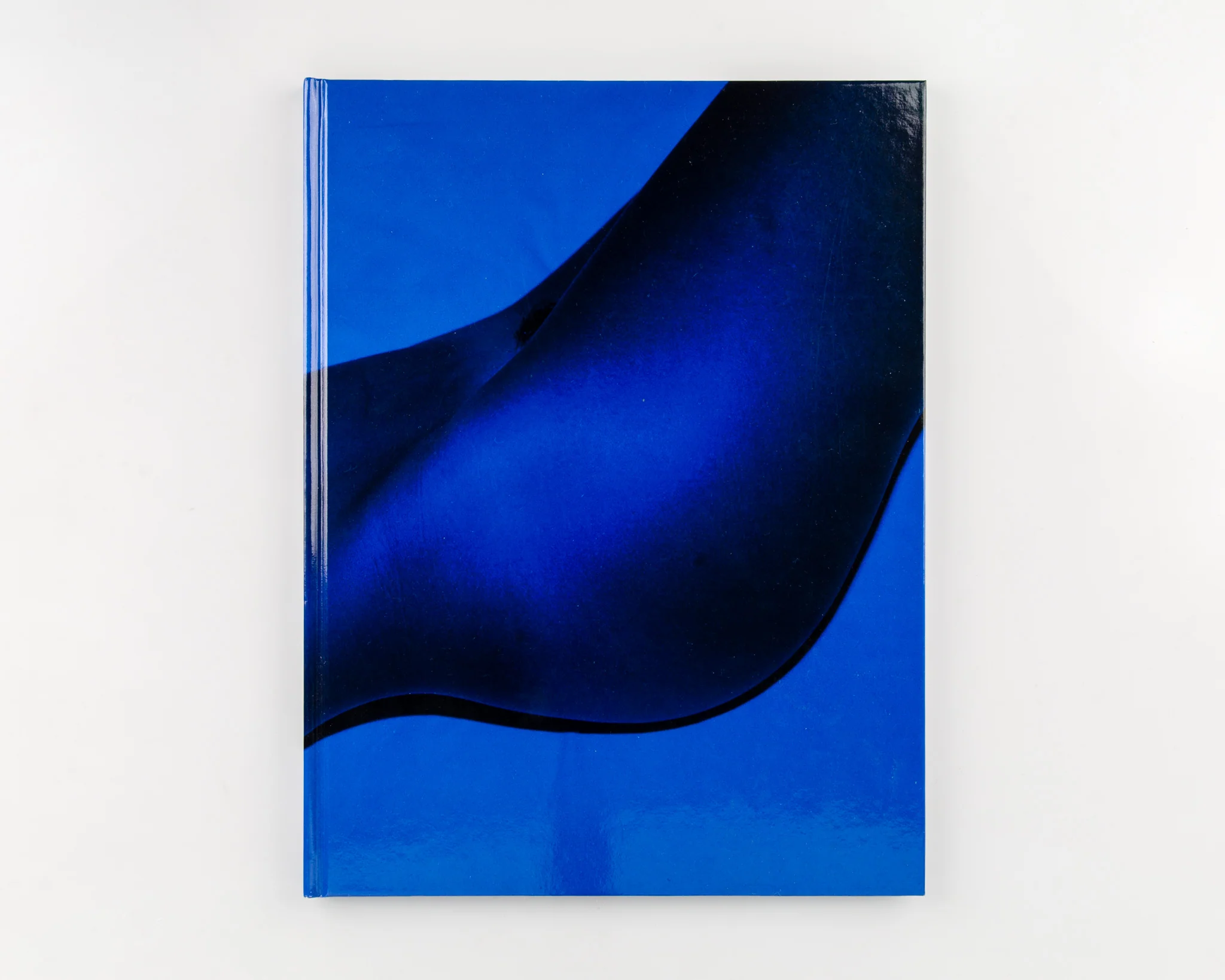
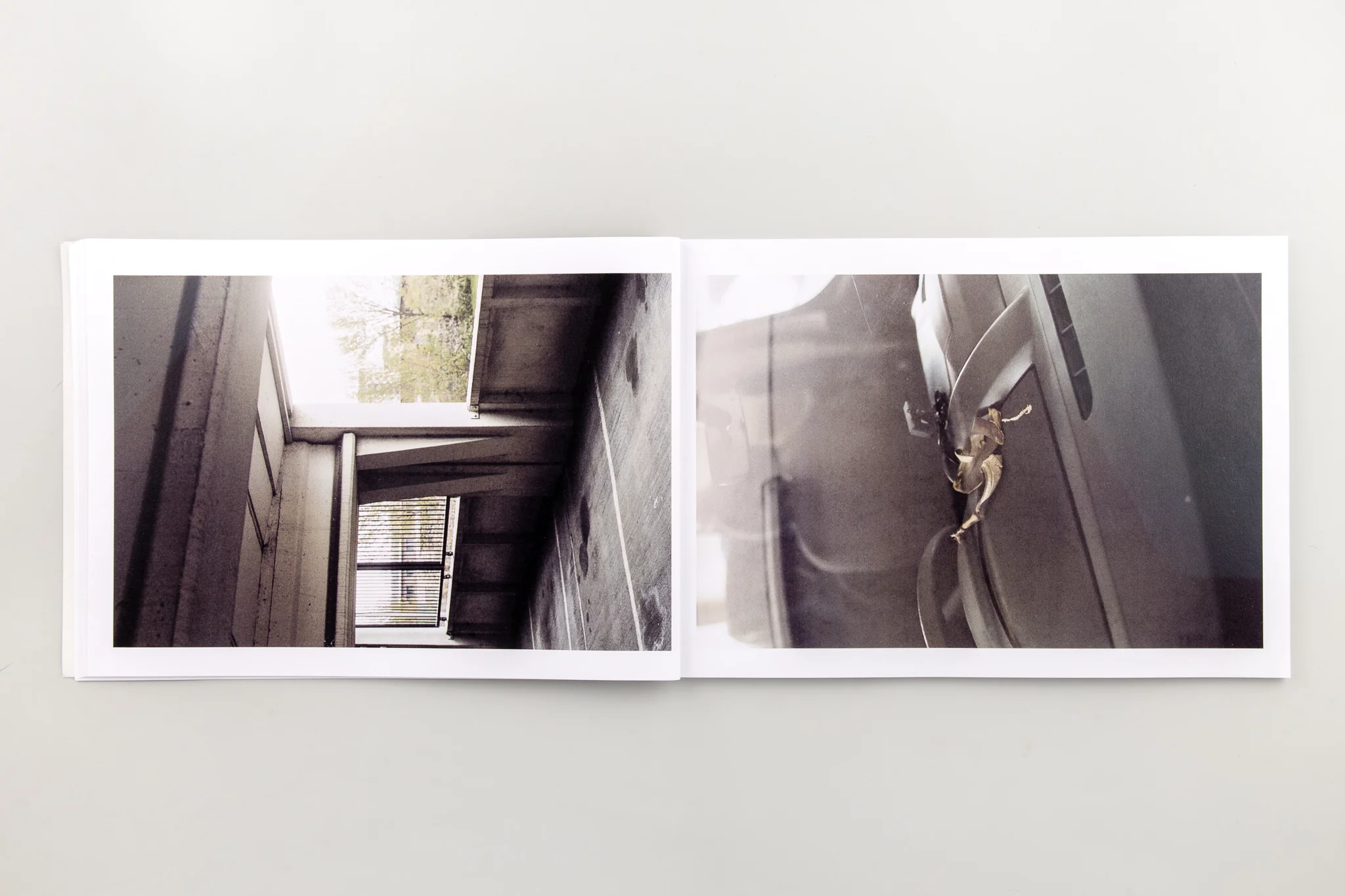
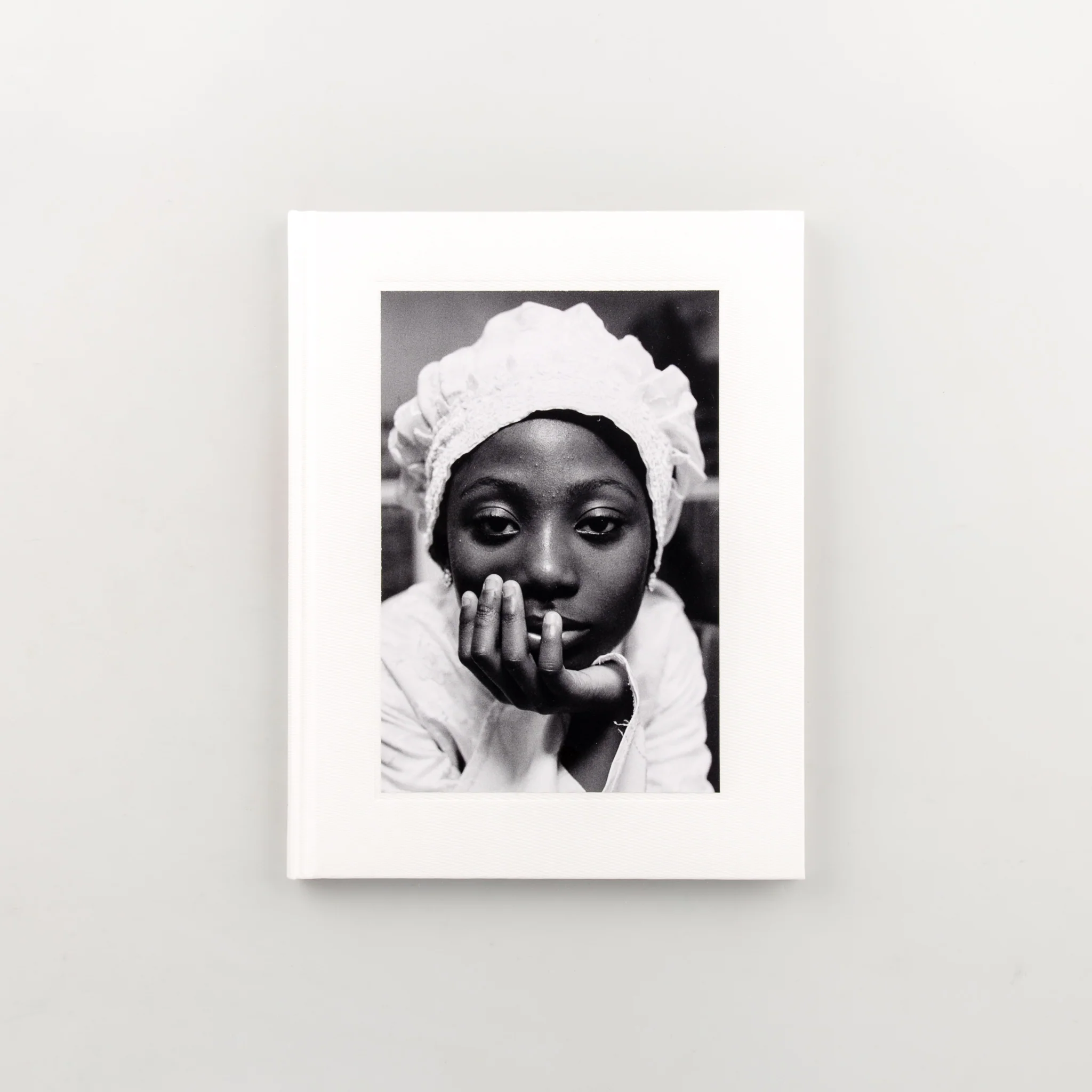
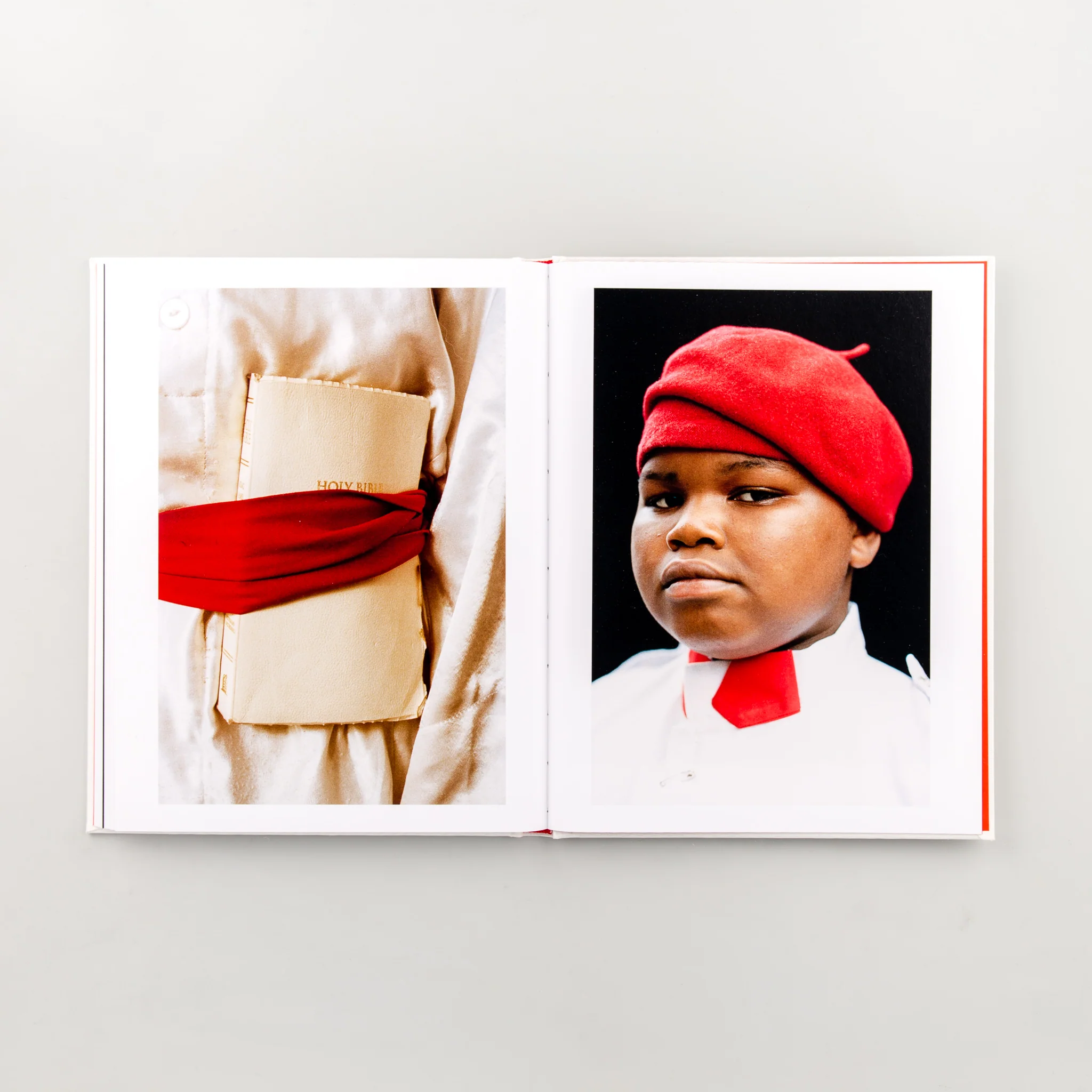
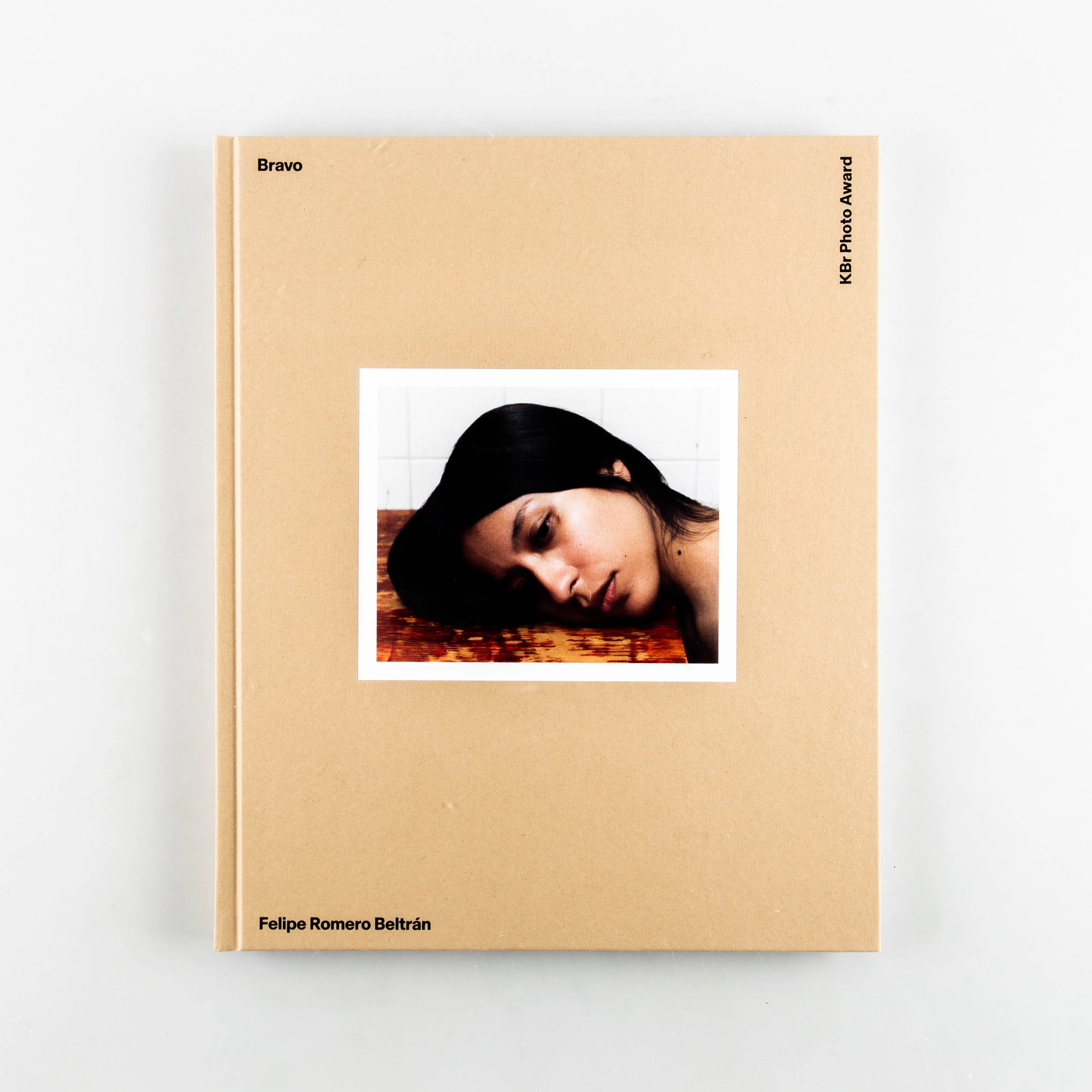
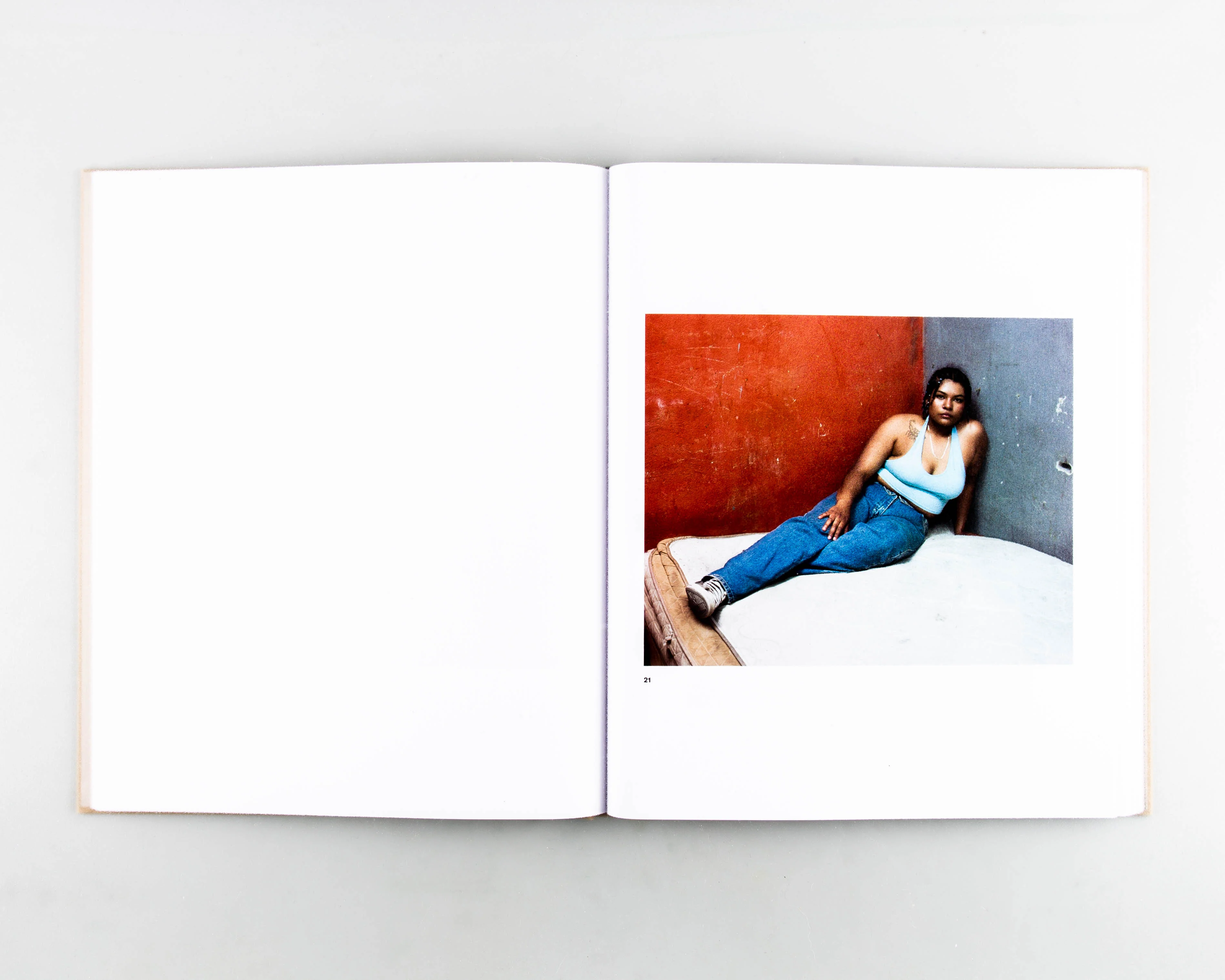
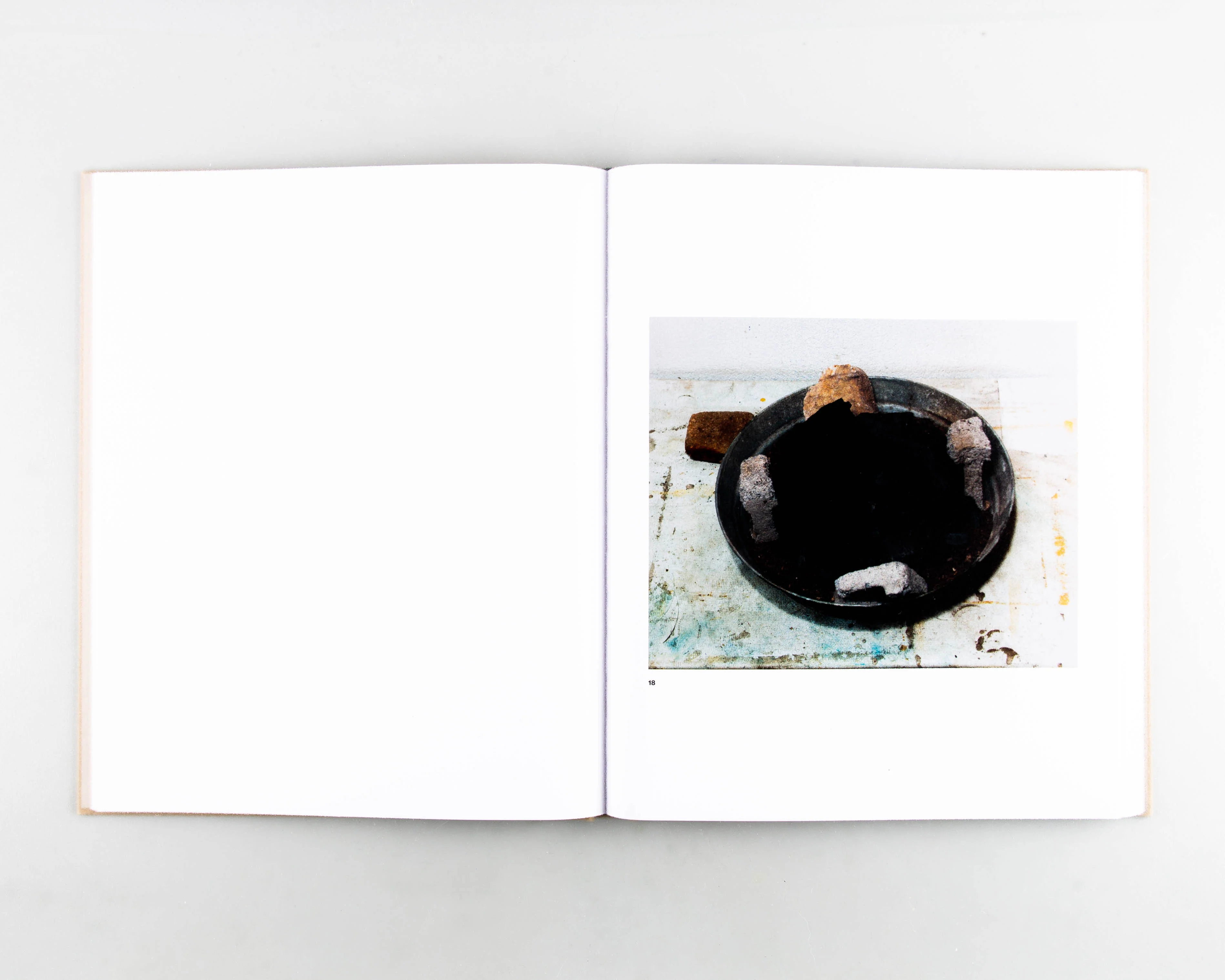
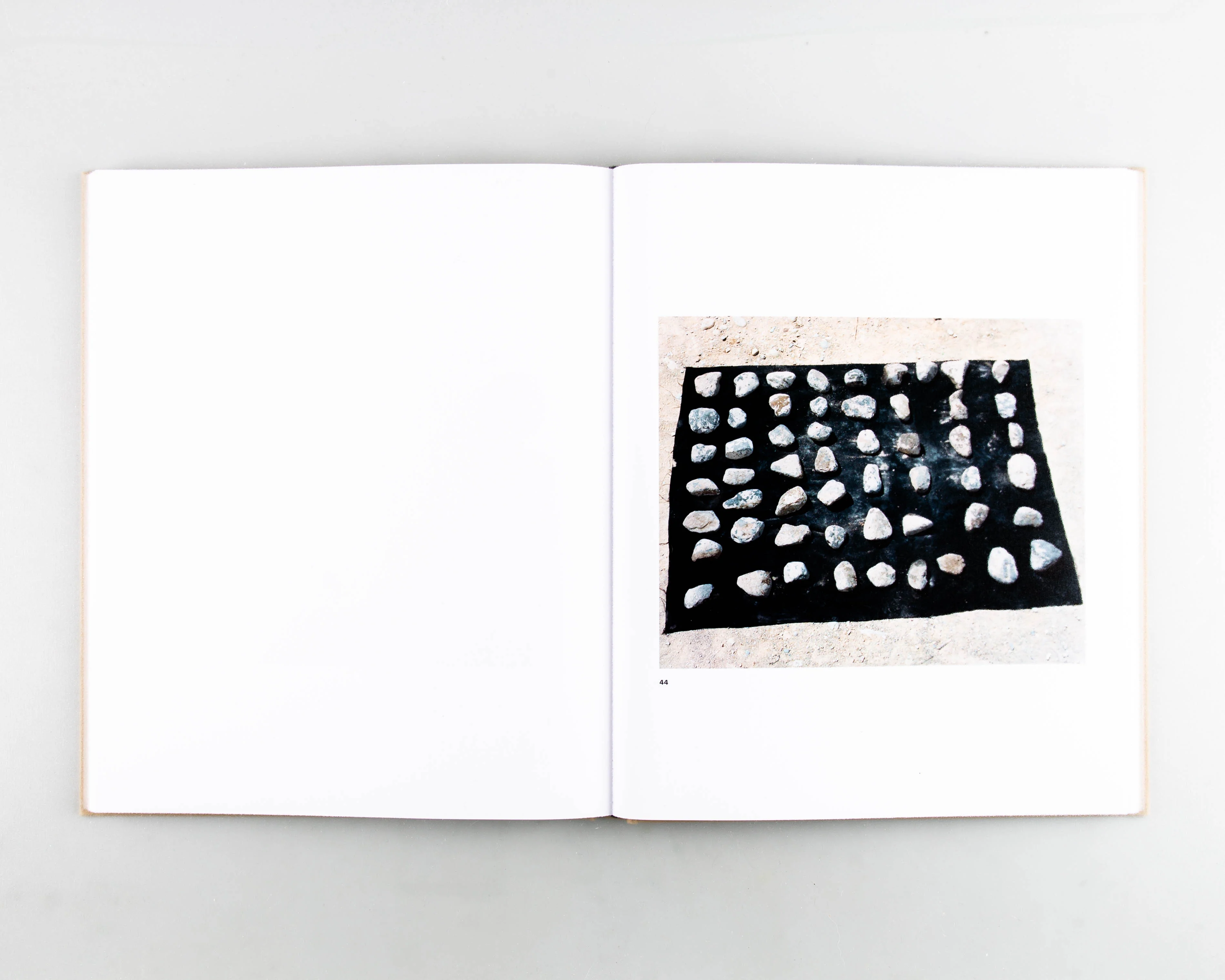
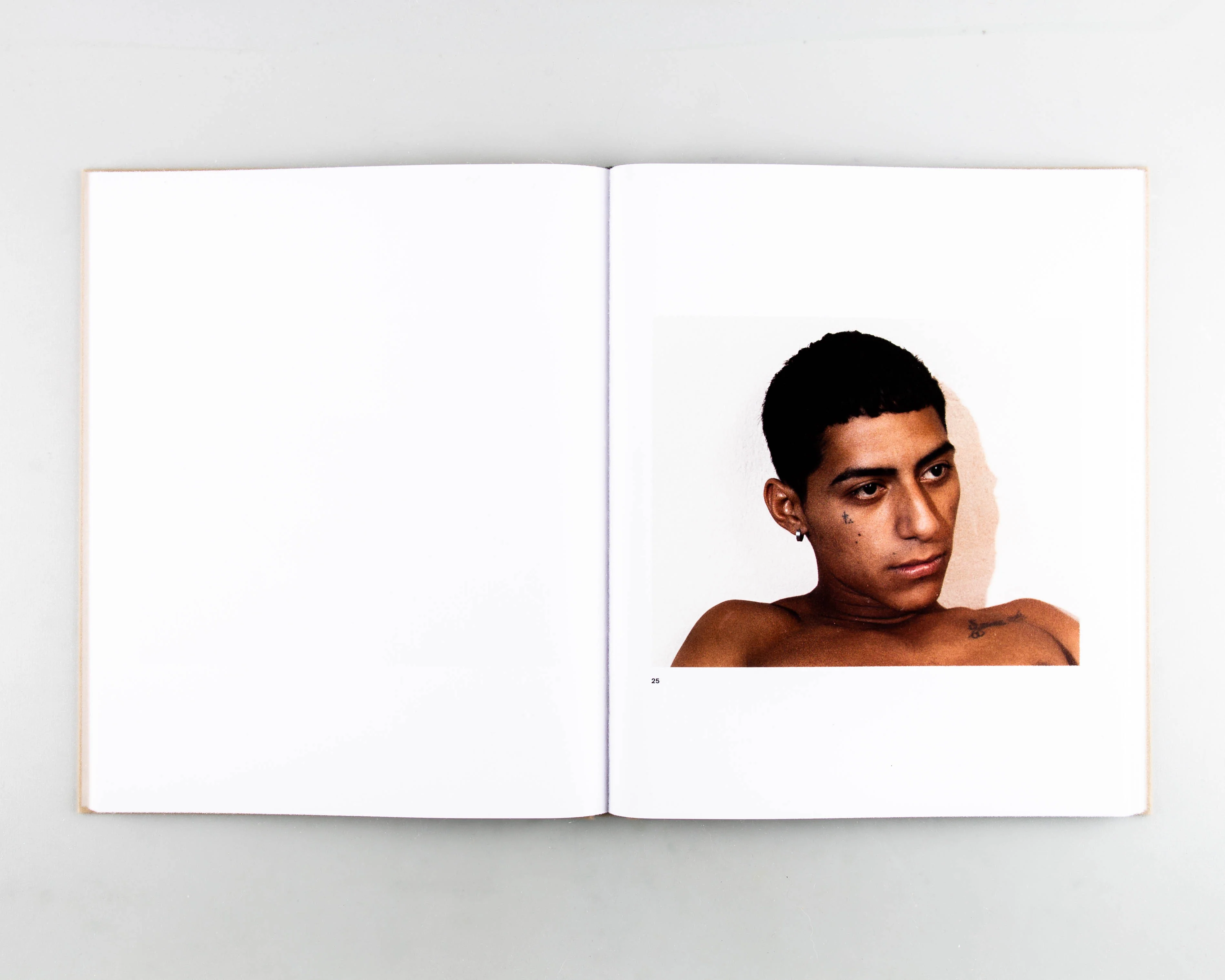
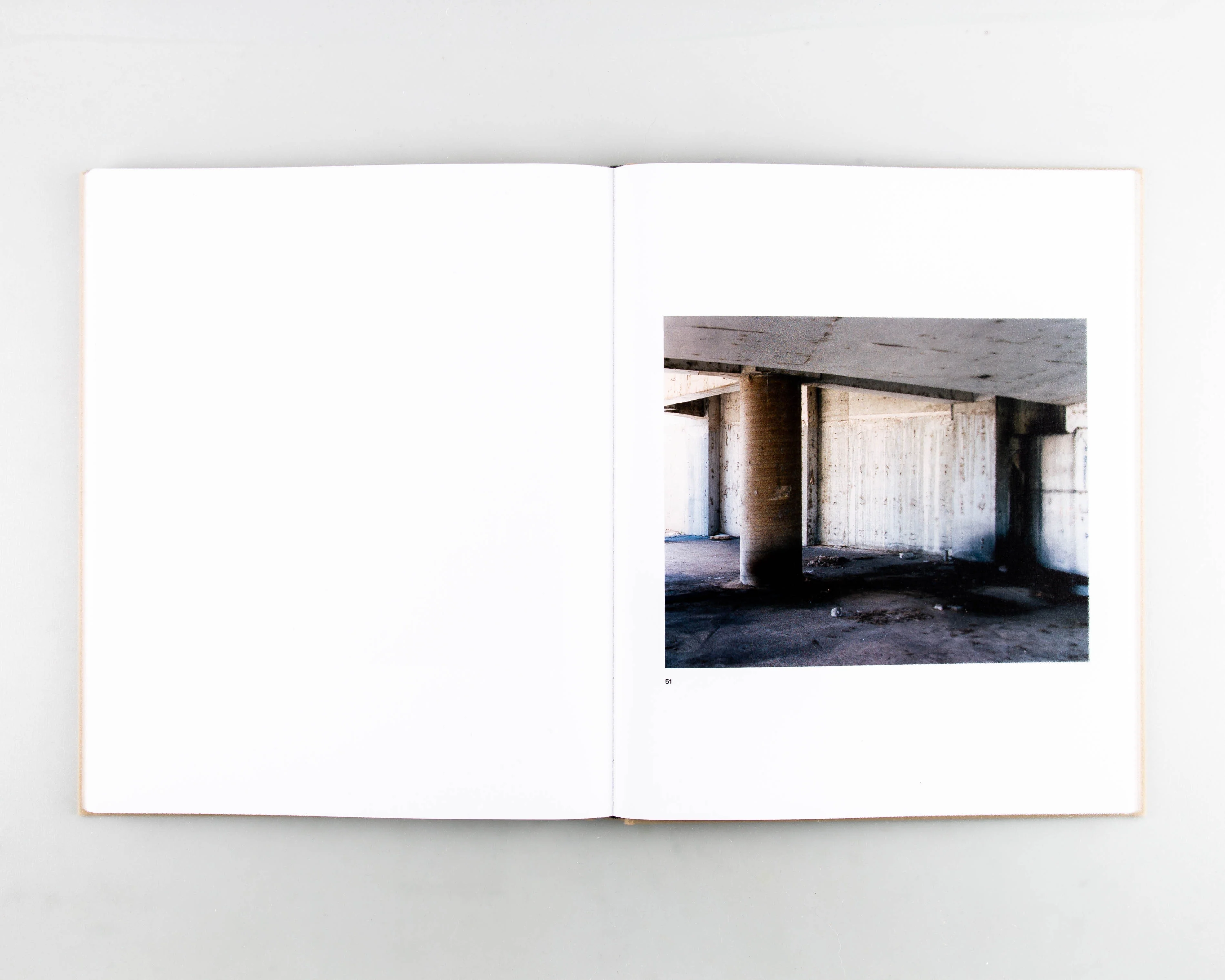
Bravo situates itself in the liminal space of the Rio Bravo, a site of perpetual tension and migration where identity and geography intersect. Focusing on a 270-kilometre stretch of the river, Romero Beltrán’s Bravo constructs an elusive visual narrative where the river itself becomes a silent protagonist, shaping the lives of those who approach it but rarely appearing in the frame. Through stark portraits, austere interiors, and scarred landscapes, Bravo captures the suspended time of migration as his subjects wait, sometimes for years, in the shadow of an uncertain crossing.
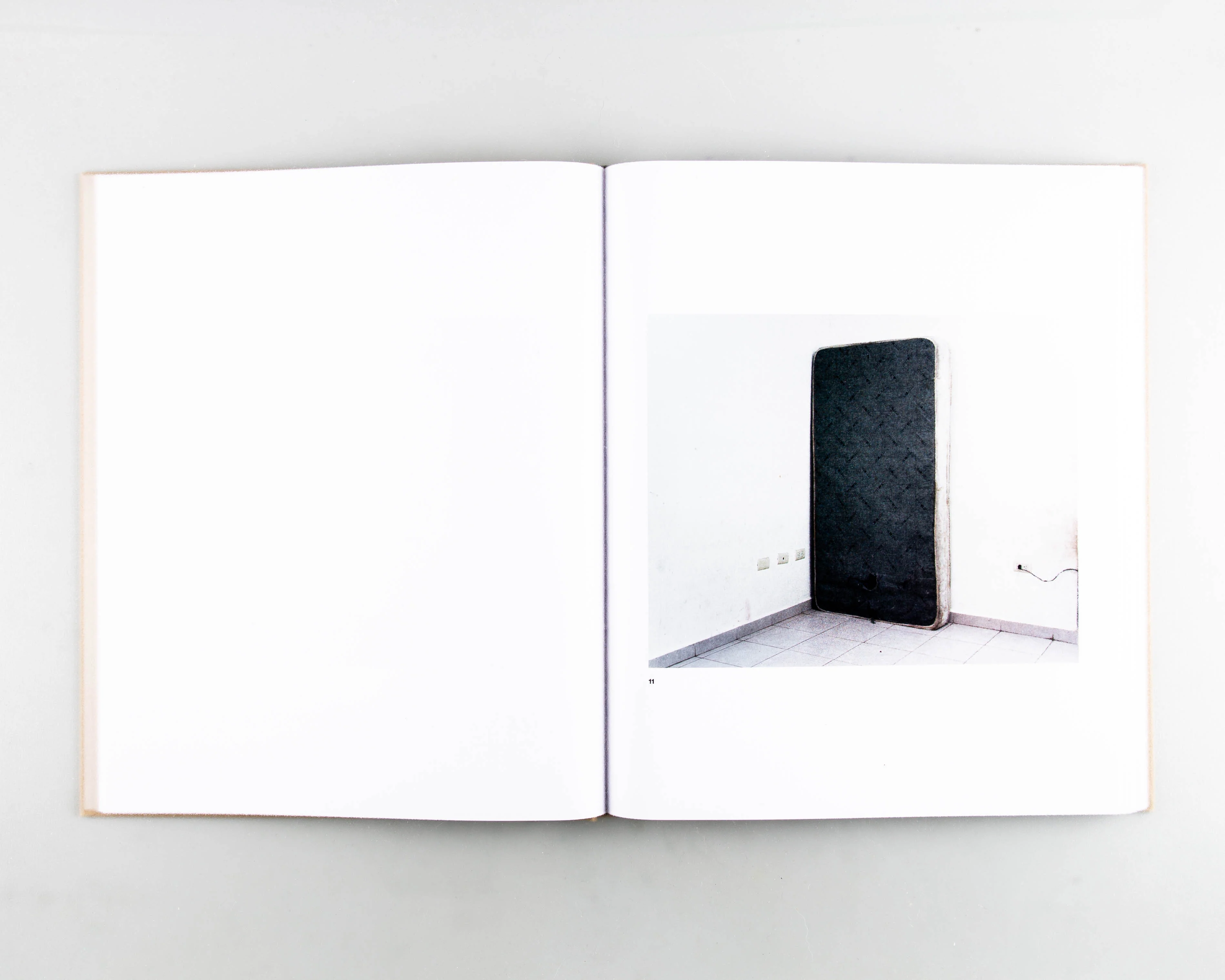
Romero Beltrán's signature style is precise in the pursuit of a political reality, where meticulously produced portraiture both reveals and conceals the resilience, exhaustion and hope of the migrant experience, alongside the muted delicacy of Romero Beltrán's interiors, where a speaker, a mattress, a red-painted table become loaded with symbolic weight.
Divided into three chapters—Endings, Bodies, and Breaches—Romero Beltrán’s inscrutable documentary approach challenges the semiotics of classification, enclosure, definition, and identification in his visual aesthetics that mirror the suppressed and controlled notions of identity at the border. Also included within Bravo is El Cruce, an audiovisual work that underscores the river’s dual role as a life source and militarized boundary through scenes of baptism, fishing, and migrant stories. With accompanying texts by Salvadoran migrant Dominick Bermúdez, thinker Albert Corbí, and artist Alejandra Aragón, as well as an interview with the artist, Bravo is an urgent and poetic meditation on a border defined by contradictions—where hope, despair, movement, and stillness converge.
With texts by Victoria del Val, Dominick Bermúdez, Alejandra Aragon, Albert Corbí
More Images
Bravo
Bravo situates itself in the liminal space of the Rio Bravo, a site of perpetual tension and migration where identity and geography intersect. Focusing on a 270-kilometre stretch of the river, Romero Beltrán’s Bravo constructs an elusive visual narrative where the river itself becomes a silent protagonist, shaping the lives of those who approach it but rarely appearing in the frame. Through stark portraits, austere interiors, and scarred landscapes, Bravo captures the suspended time of migration as his subjects wait, sometimes for years, in the shadow of an uncertain crossing.
Romero Beltrán's signature style is precise in the pursuit of a political reality, where meticulously produced portraiture both reveals and conceals the resilience, exhaustion and hope of the migrant experience, alongside the muted delicacy of Romero Beltrán's interiors, where a speaker, a mattress, a red-painted table become loaded with symbolic weight.
Divided into three chapters—Endings, Bodies, and Breaches—Romero Beltrán’s inscrutable documentary approach challenges the semiotics of classification, enclosure, definition, and identification in his visual aesthetics that mirror the suppressed and controlled notions of identity at the border. Also included within Bravo is El Cruce, an audiovisual work that underscores the river’s dual role as a life source and militarized boundary through scenes of baptism, fishing, and migrant stories. With accompanying texts by Salvadoran migrant Dominick Bermúdez, thinker Albert Corbí, and artist Alejandra Aragón, as well as an interview with the artist, Bravo is an urgent and poetic meditation on a border defined by contradictions—where hope, despair, movement, and stillness converge.
With texts by Victoria del Val, Dominick Bermúdez, Alejandra Aragon, Albert Corbí
Product Information
Product Information
Shipping & Returns
Shipping & Returns
Description
Bravo situates itself in the liminal space of the Rio Bravo, a site of perpetual tension and migration where identity and geography intersect. Focusing on a 270-kilometre stretch of the river, Romero Beltrán’s Bravo constructs an elusive visual narrative where the river itself becomes a silent protagonist, shaping the lives of those who approach it but rarely appearing in the frame. Through stark portraits, austere interiors, and scarred landscapes, Bravo captures the suspended time of migration as his subjects wait, sometimes for years, in the shadow of an uncertain crossing.
Romero Beltrán's signature style is precise in the pursuit of a political reality, where meticulously produced portraiture both reveals and conceals the resilience, exhaustion and hope of the migrant experience, alongside the muted delicacy of Romero Beltrán's interiors, where a speaker, a mattress, a red-painted table become loaded with symbolic weight.
Divided into three chapters—Endings, Bodies, and Breaches—Romero Beltrán’s inscrutable documentary approach challenges the semiotics of classification, enclosure, definition, and identification in his visual aesthetics that mirror the suppressed and controlled notions of identity at the border. Also included within Bravo is El Cruce, an audiovisual work that underscores the river’s dual role as a life source and militarized boundary through scenes of baptism, fishing, and migrant stories. With accompanying texts by Salvadoran migrant Dominick Bermúdez, thinker Albert Corbí, and artist Alejandra Aragón, as well as an interview with the artist, Bravo is an urgent and poetic meditation on a border defined by contradictions—where hope, despair, movement, and stillness converge.
With texts by Victoria del Val, Dominick Bermúdez, Alejandra Aragon, Albert Corbí