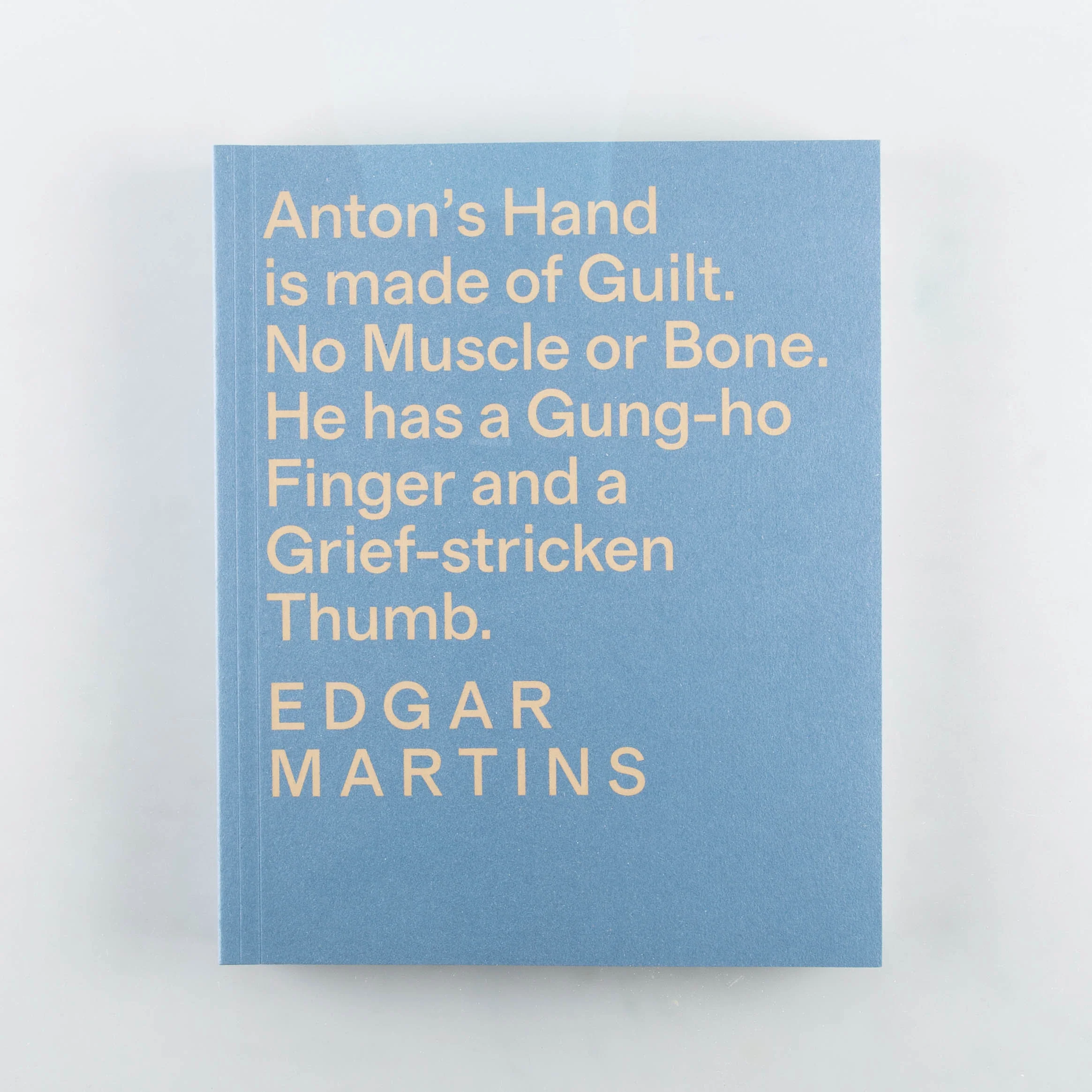
Anton’s Hand is Made of Guilt. No Muscle or Bone. He has a Gung-ho Finger and a Grief-stricken Thumb.
Anton’s Hand is Made of Guilt. No Muscle or Bone. He has a Gung-ho Finger and a Grief-stricken Thumb.
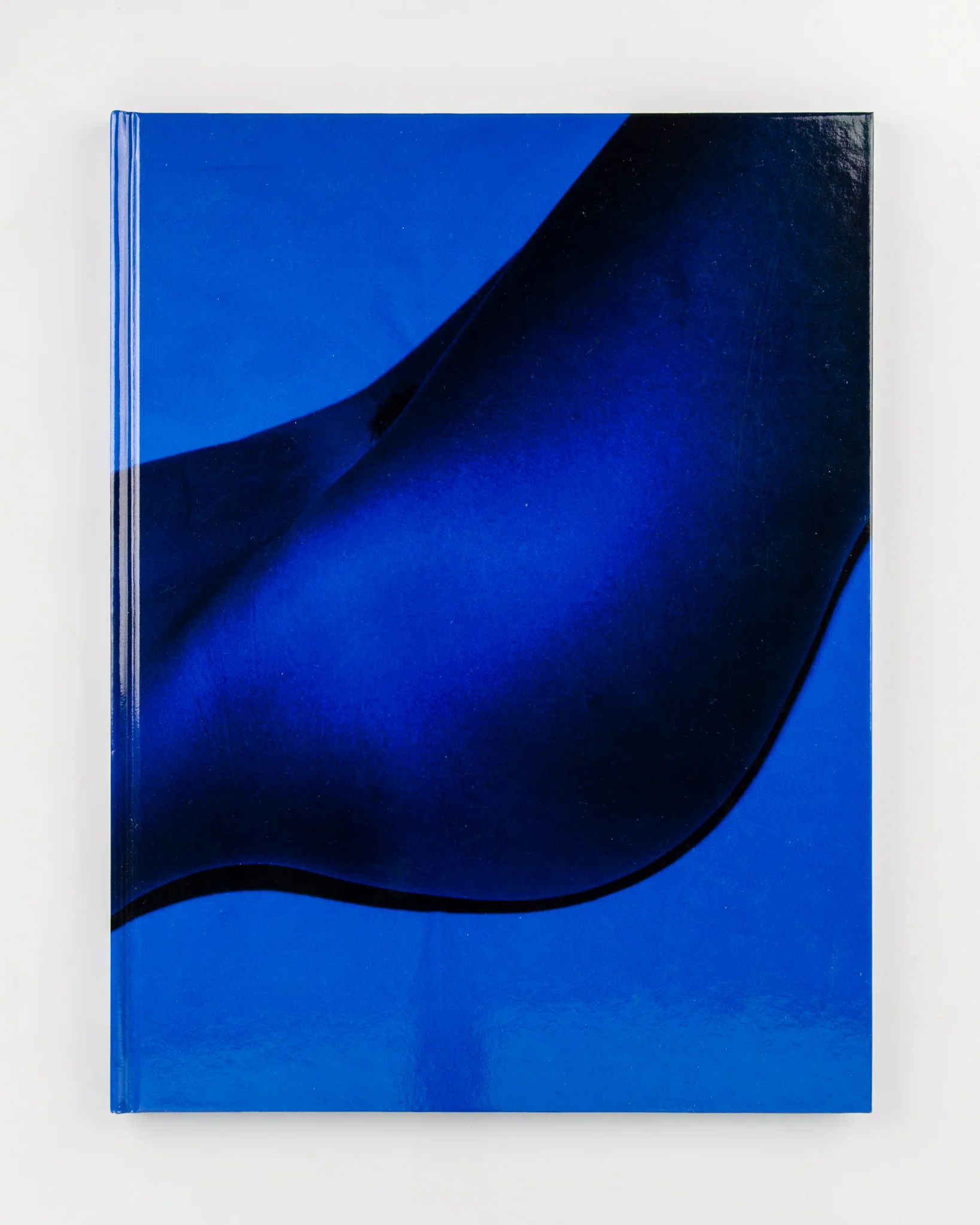
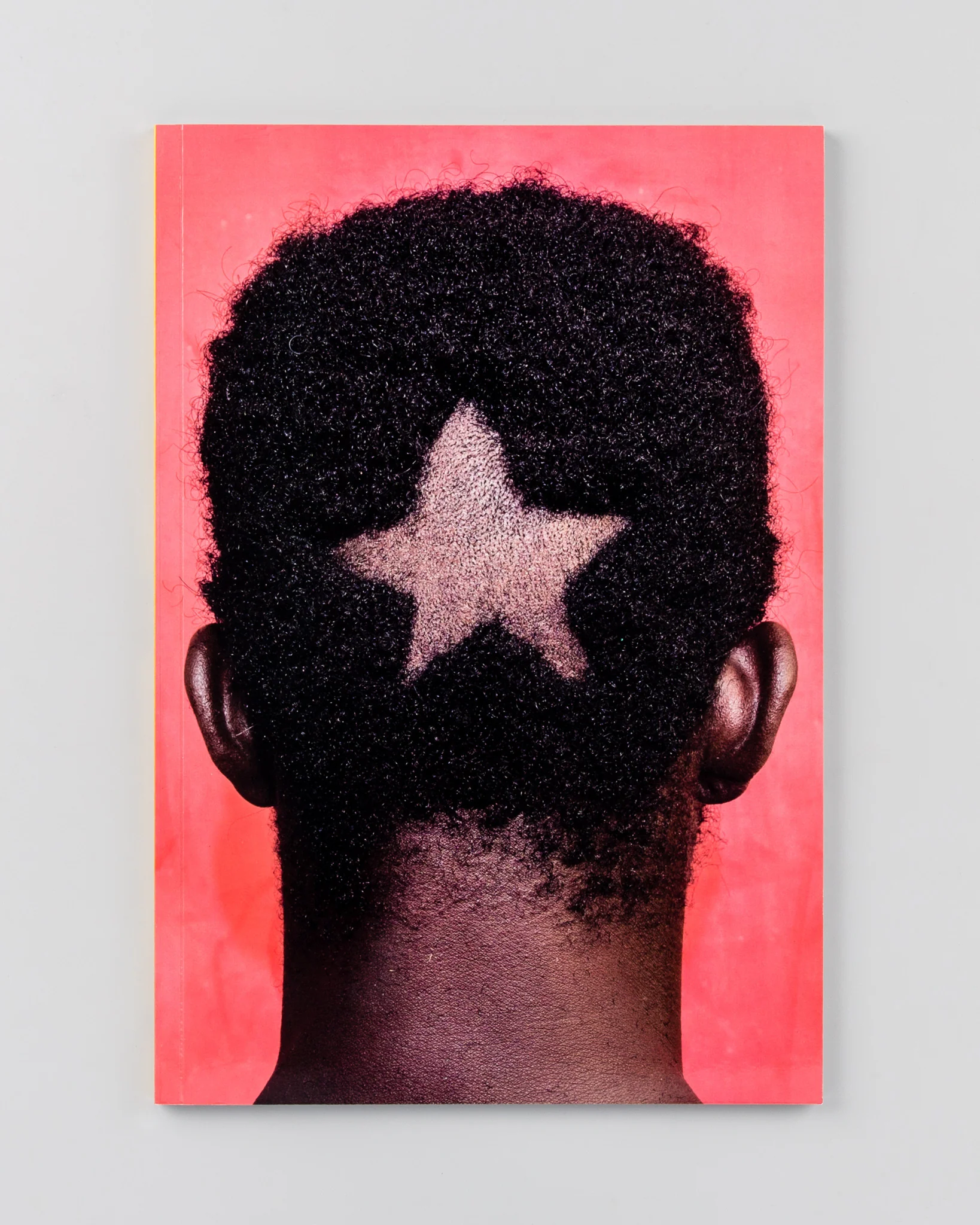
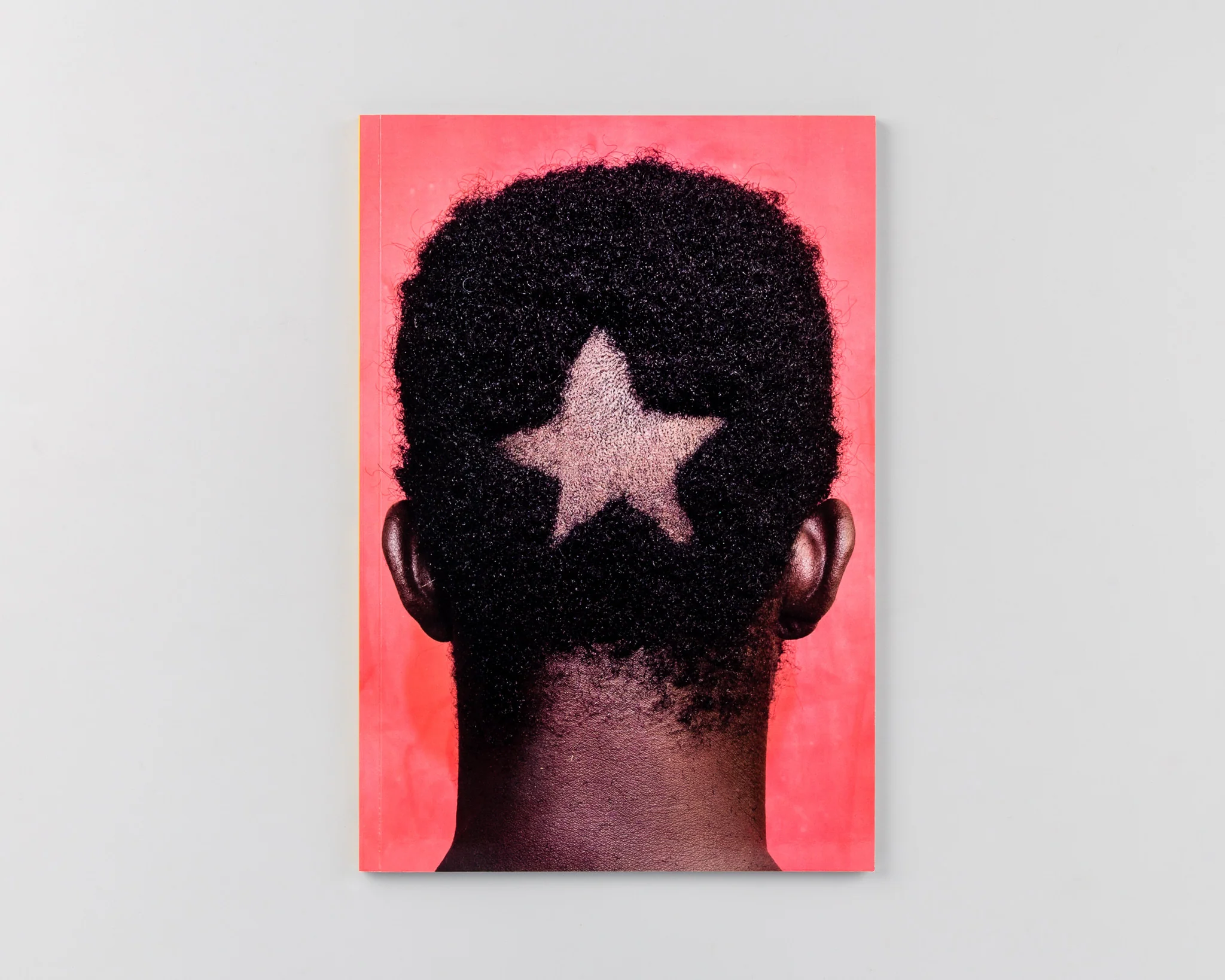
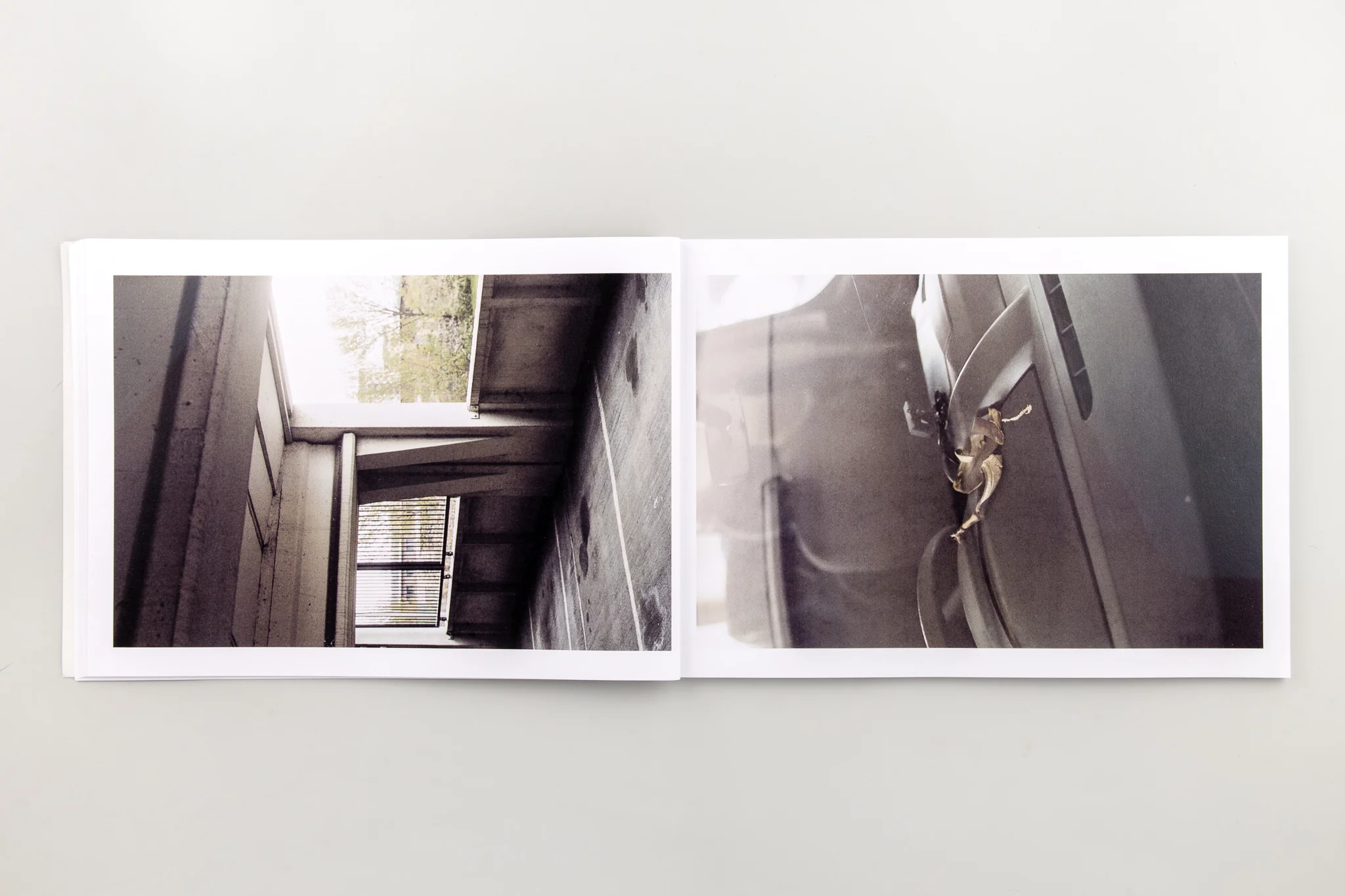
Anton’s hand is made of guilt. No muscle of bone. He has a Gung-ho Finger and a Grief-strckien Thumb. is a research-based documentary project, a novel, a journal, a lipogramme and an imaginary anthropological study in one.
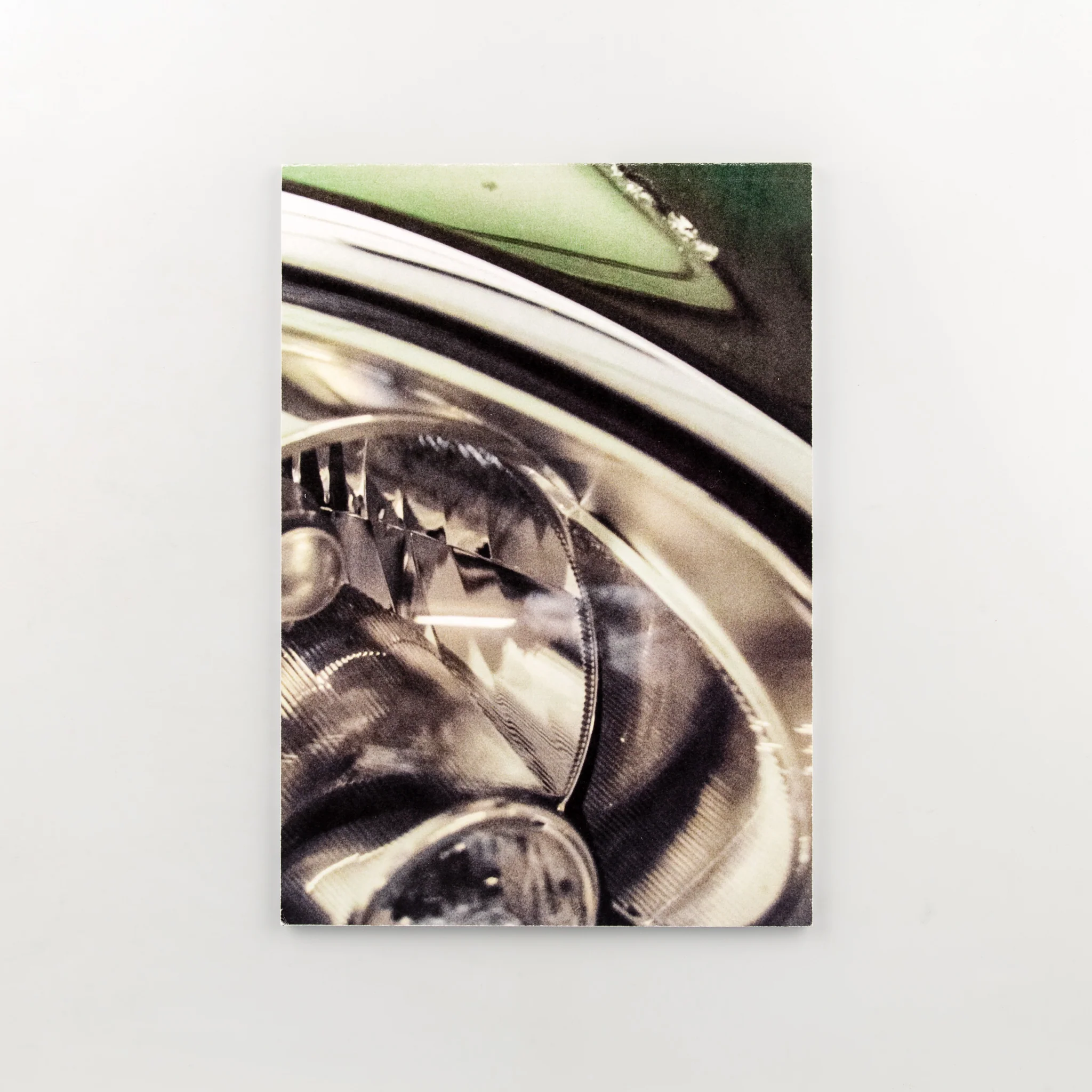
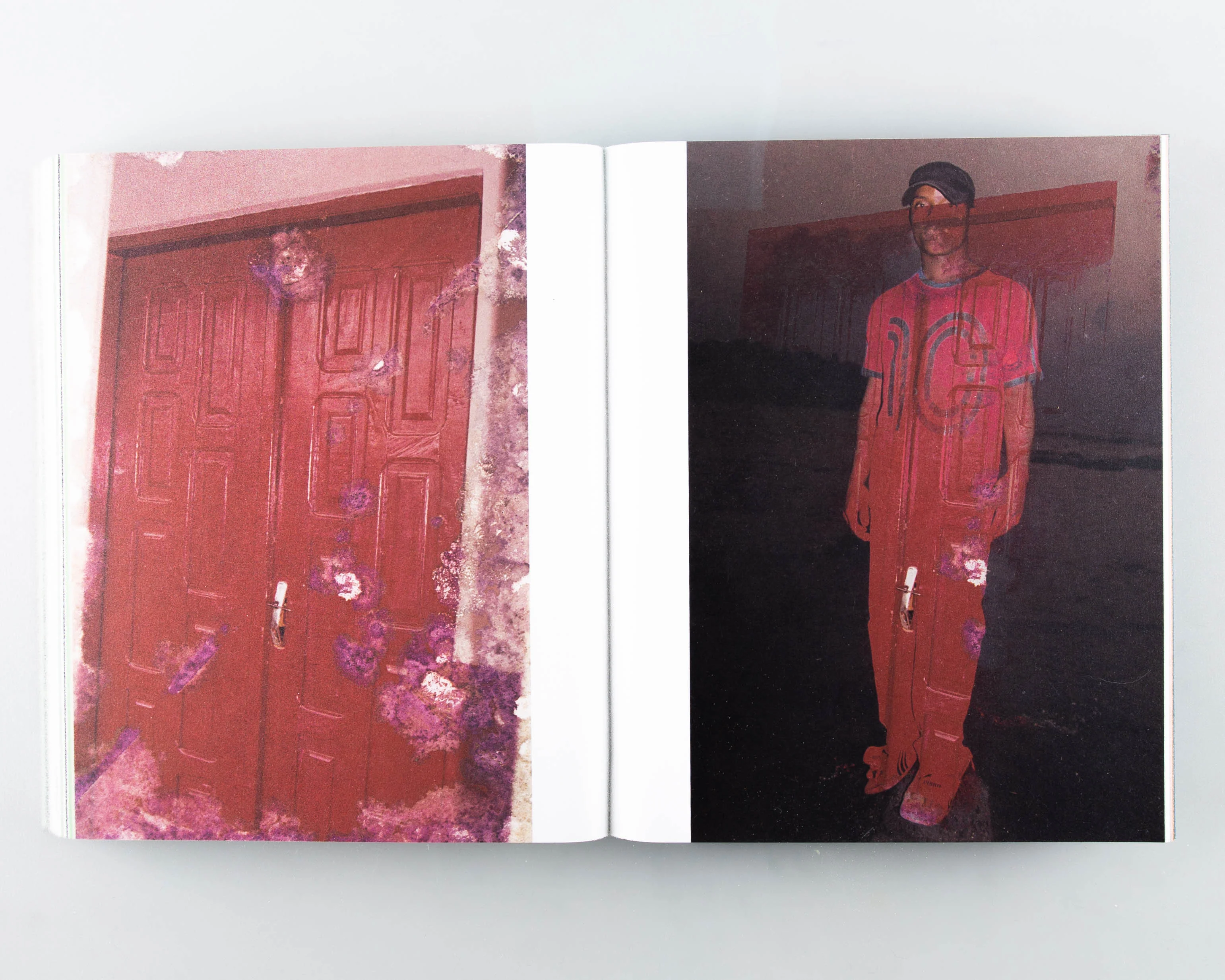
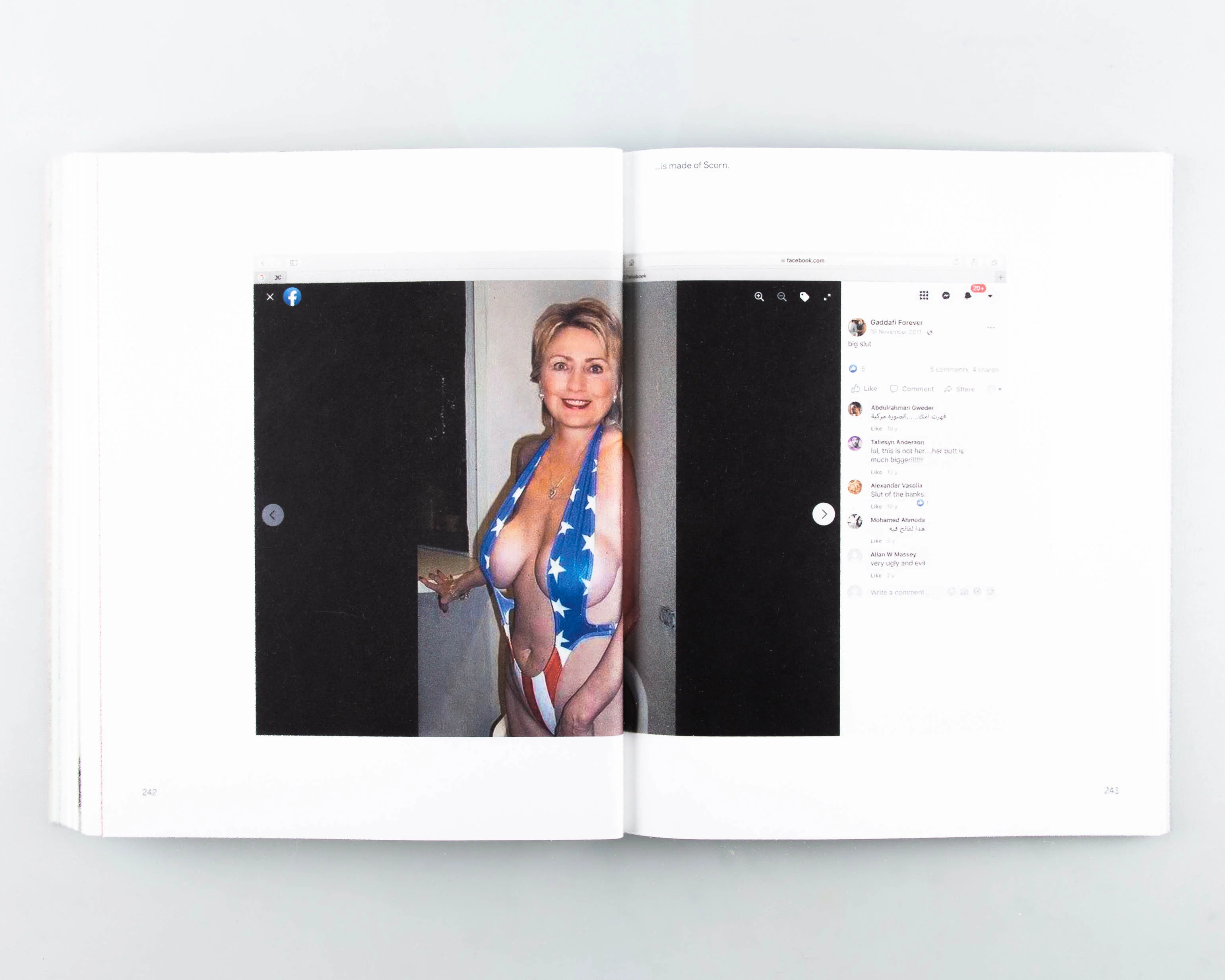
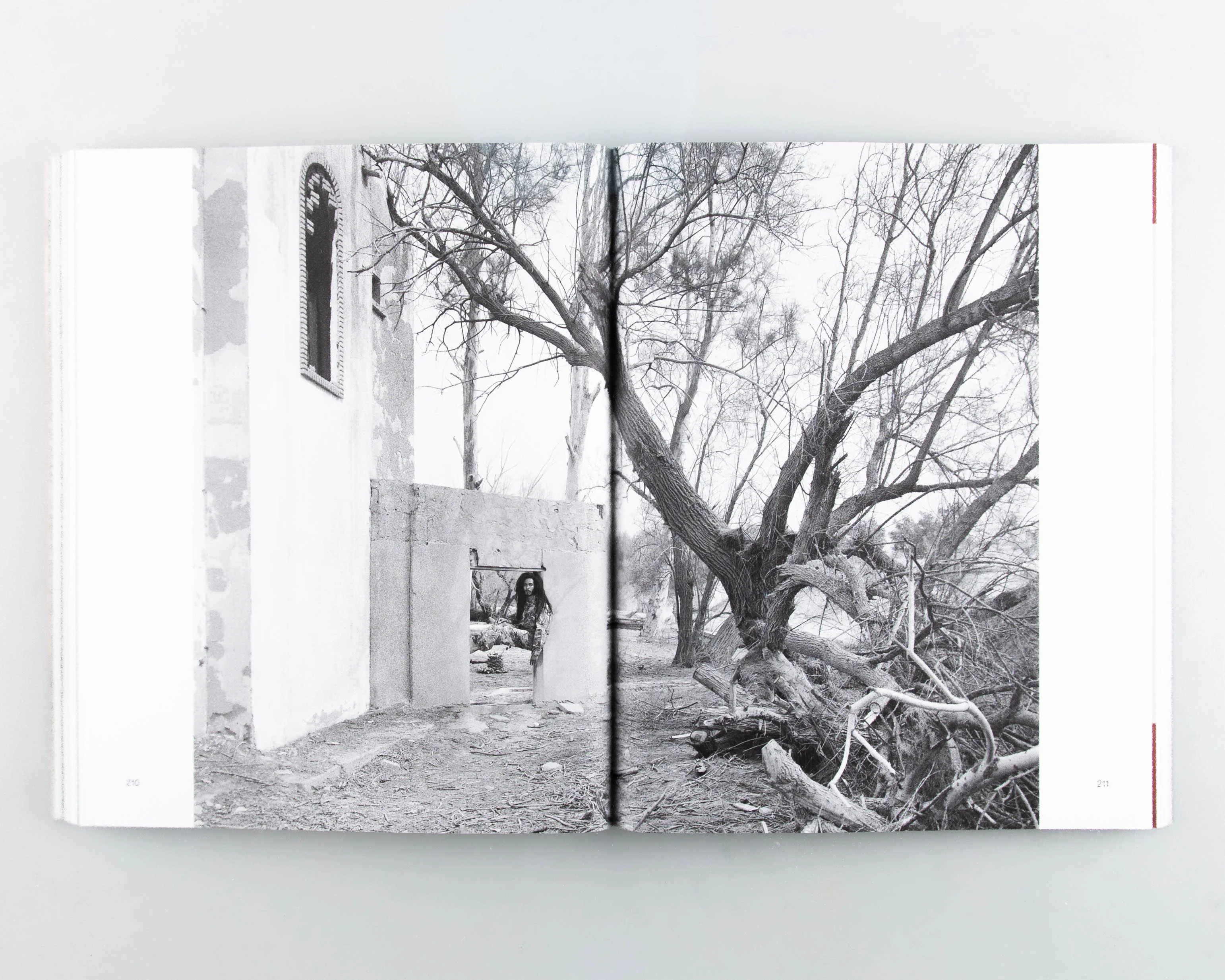
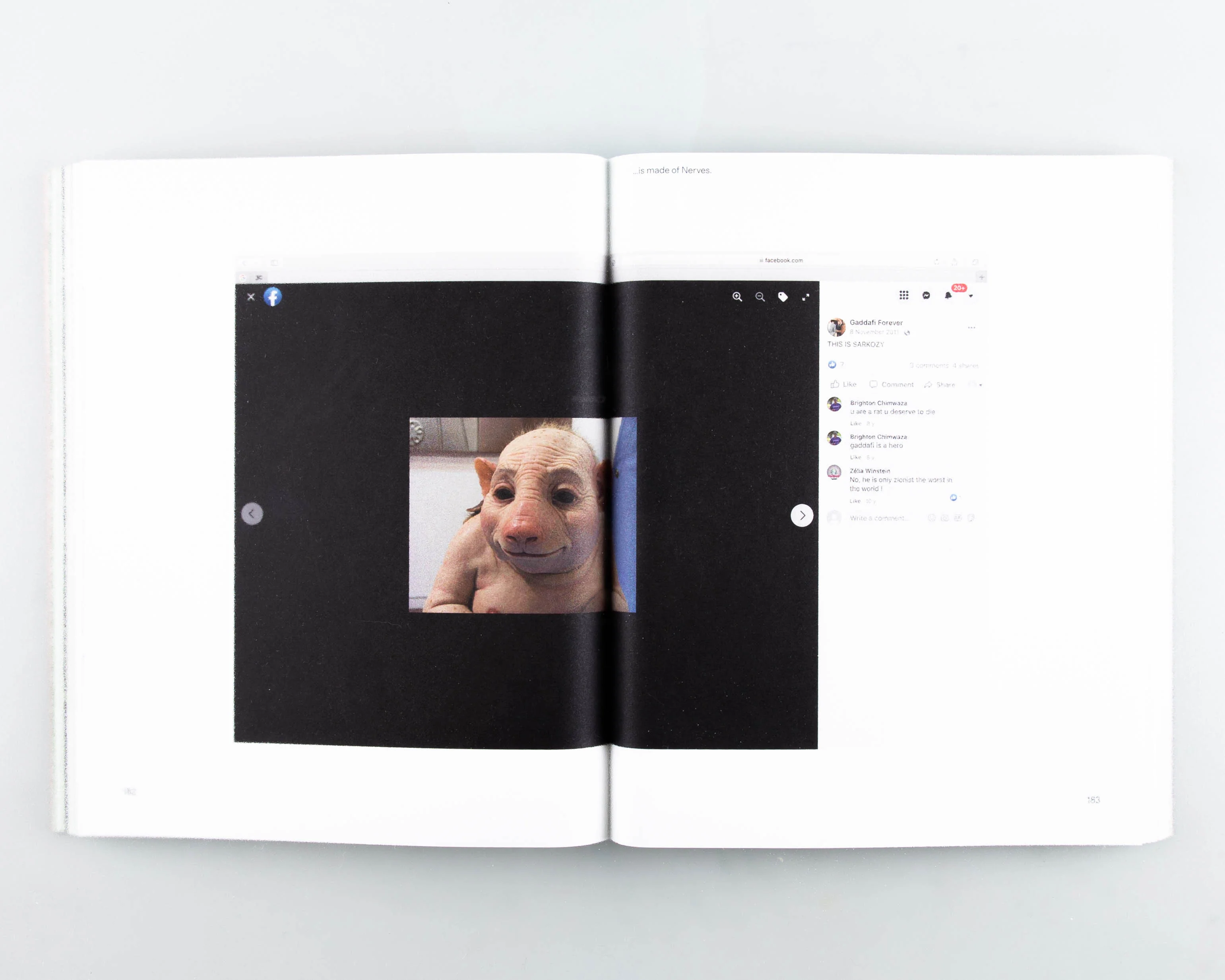
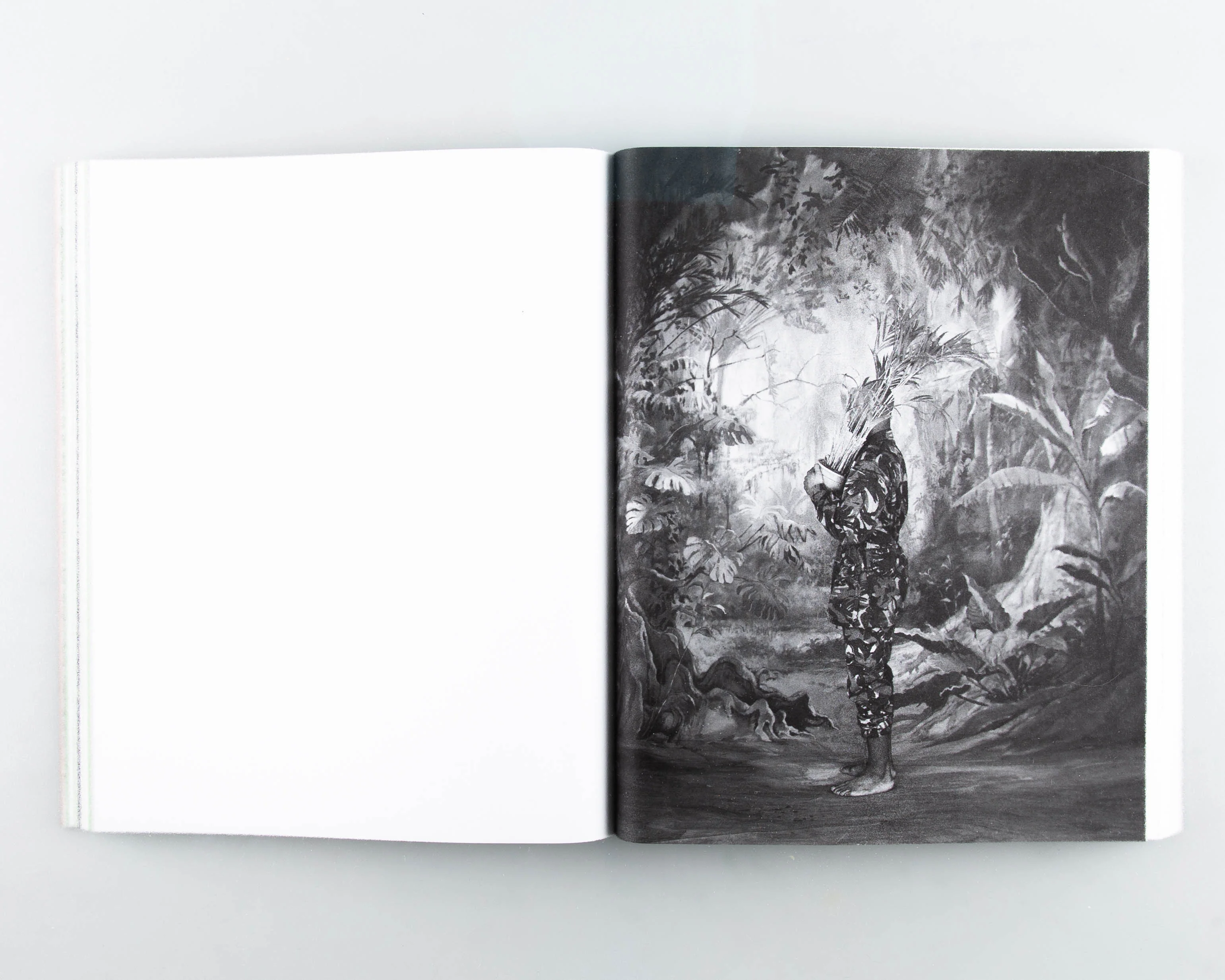
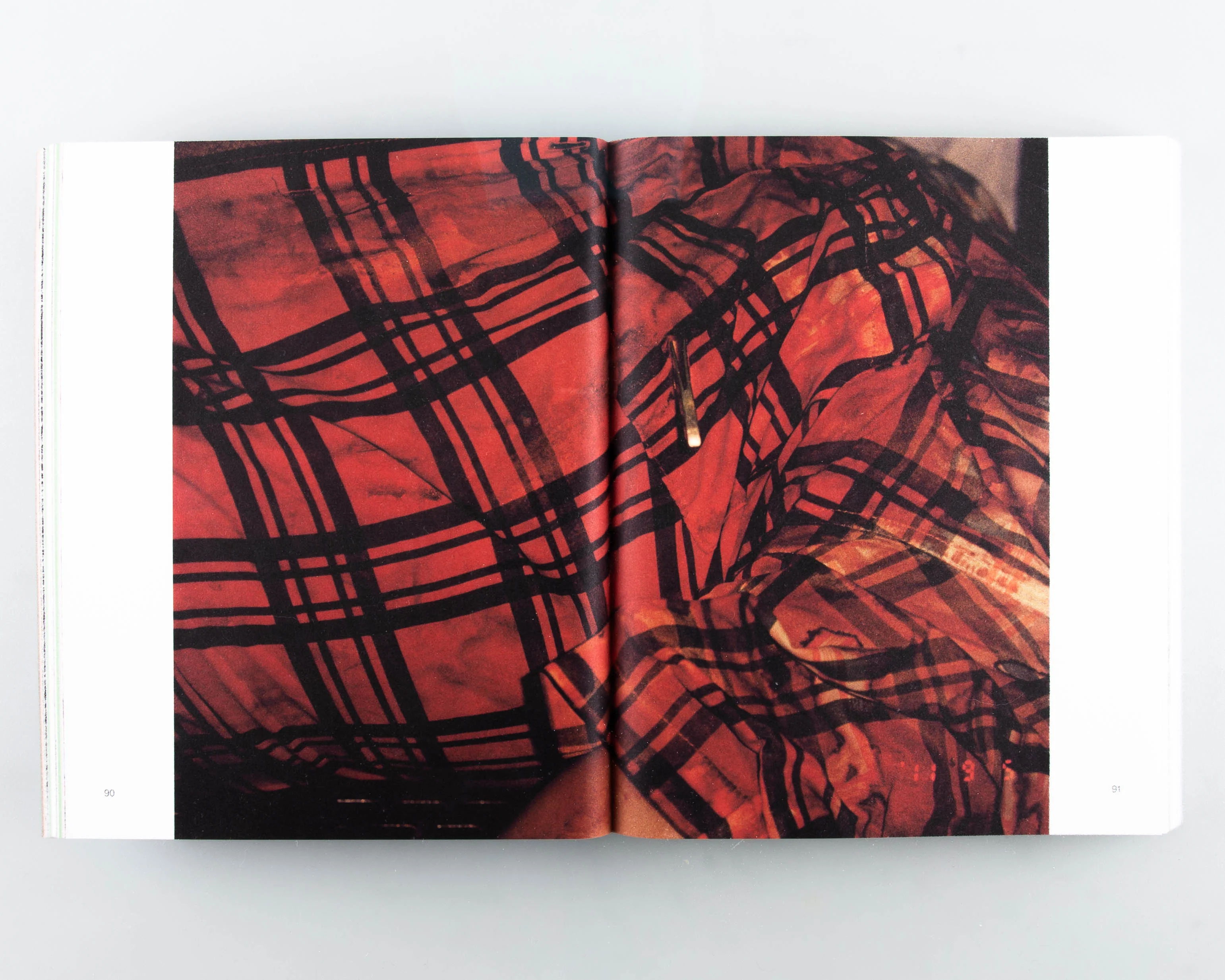
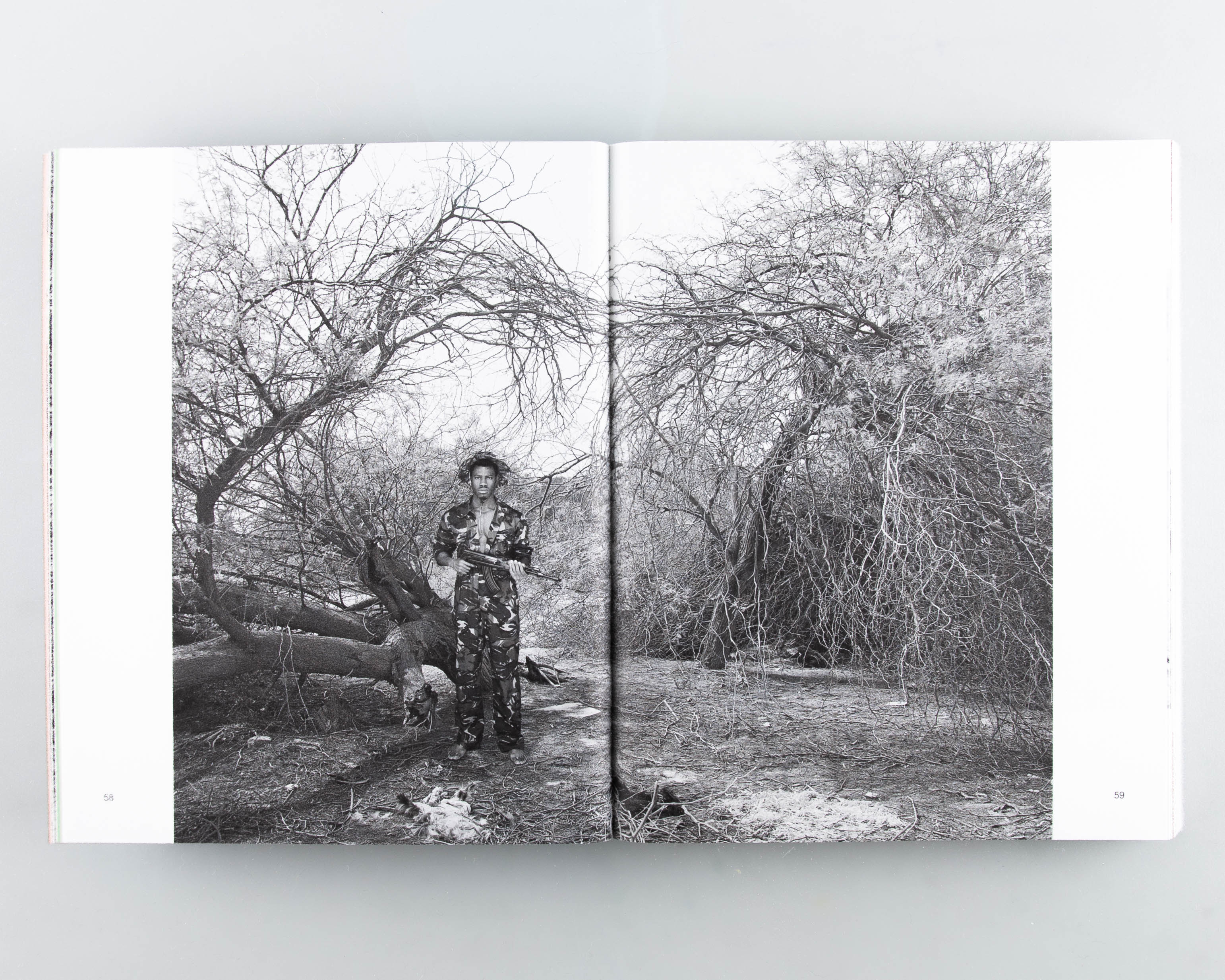
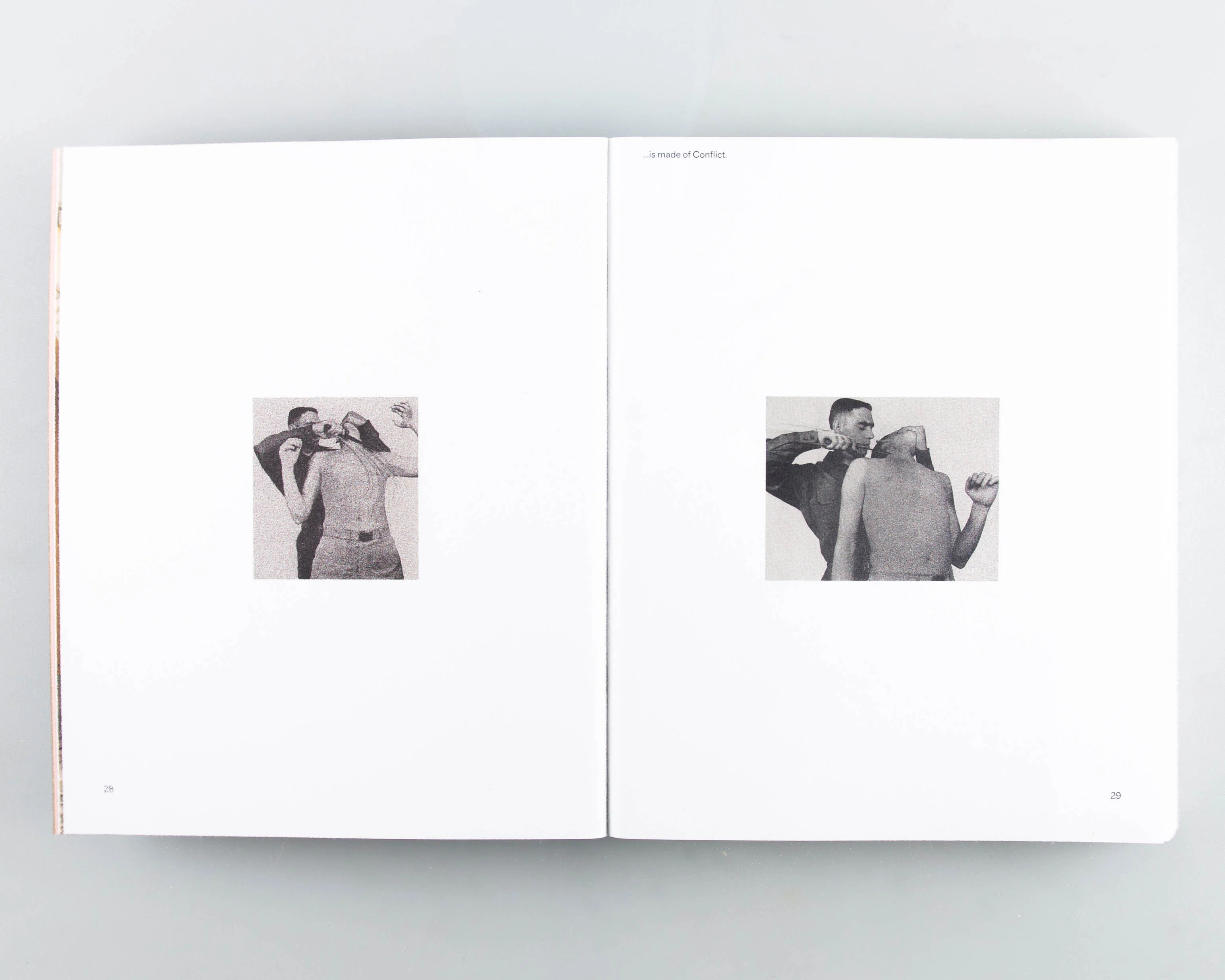
This multifaceted publication includes original photographs, archival photography and images researched from private Islamist, Libyan and dark web forums. It also comes with an album of probing soundscapes – an exploration of the everyday experiences of a war correspondent – and a book of drawings of war scenes (collector’s edition only).
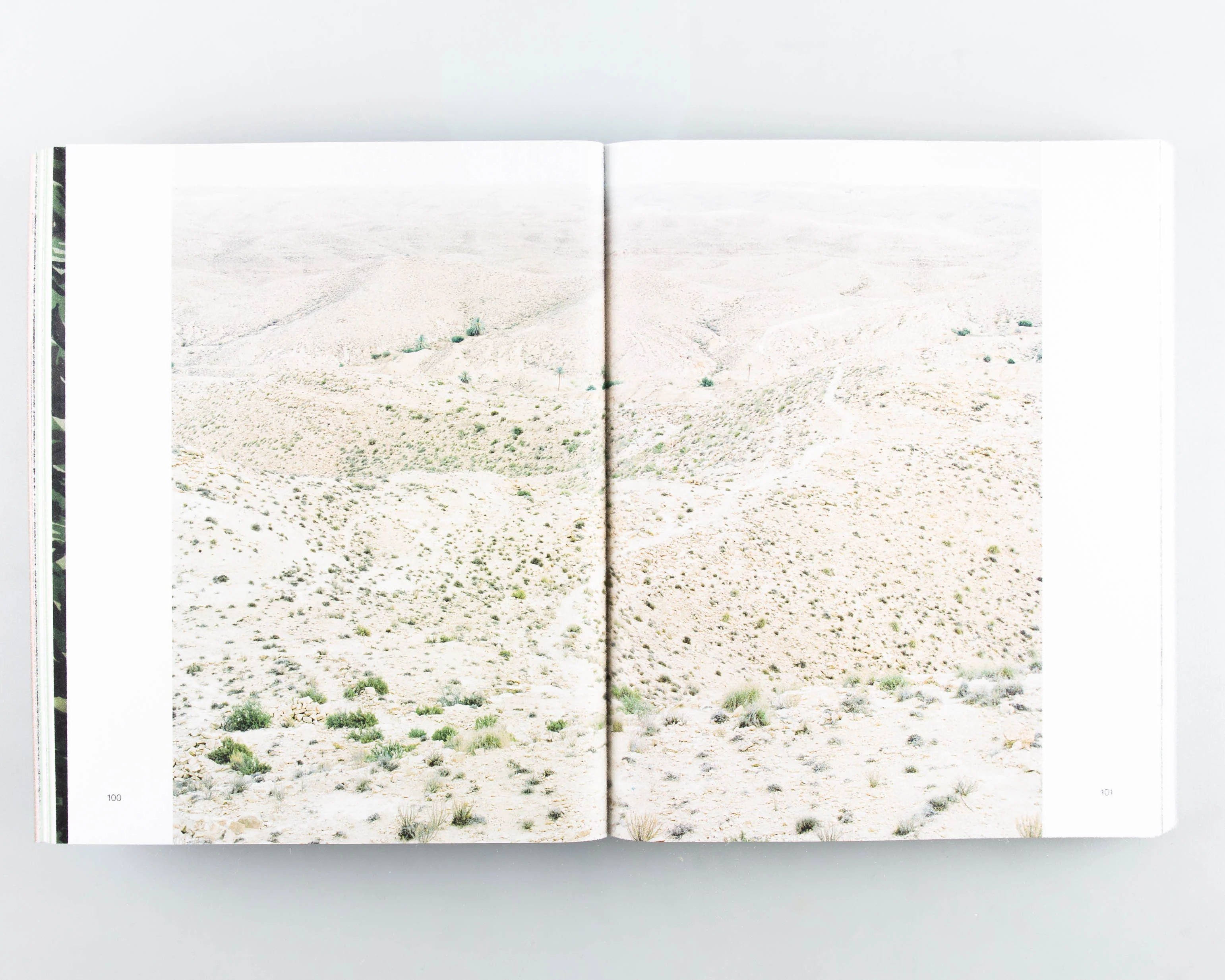
Developed in north Africa from 2019-2023, this part-documentary, part-speculative project is based on a poignant and very personal story and experience: the death and disappearance of Edgar Martins’ close friend, photojournalist Anton Hammerl, during the 2011 Libyan war. The book responds to Anton Hammerl’s disappearance/death through an examination of the geography, players and circumstances surrounding his demise as well as a reflection on the decisive but paradoxical role that photography has played in conflict zones.
Through a meta-representational approach that looks beyond the referent – which Martins terms ‘impossible document’ – this publication represents an ambitious attempt to develop a visual lexicon that can be used as a representational and pedagogic tool to interrogate and document modern conflict as well as photographic ethics, bereavement and trauma.
More Images
Anton’s Hand is Made of Guilt. No Muscle or Bone. He has a Gung-ho Finger and a Grief-stricken Thumb.
Anton’s hand is made of guilt. No muscle of bone. He has a Gung-ho Finger and a Grief-strckien Thumb. is a research-based documentary project, a novel, a journal, a lipogramme and an imaginary anthropological study in one.
This multifaceted publication includes original photographs, archival photography and images researched from private Islamist, Libyan and dark web forums. It also comes with an album of probing soundscapes – an exploration of the everyday experiences of a war correspondent – and a book of drawings of war scenes (collector’s edition only).
Developed in north Africa from 2019-2023, this part-documentary, part-speculative project is based on a poignant and very personal story and experience: the death and disappearance of Edgar Martins’ close friend, photojournalist Anton Hammerl, during the 2011 Libyan war. The book responds to Anton Hammerl’s disappearance/death through an examination of the geography, players and circumstances surrounding his demise as well as a reflection on the decisive but paradoxical role that photography has played in conflict zones.
Through a meta-representational approach that looks beyond the referent – which Martins terms ‘impossible document’ – this publication represents an ambitious attempt to develop a visual lexicon that can be used as a representational and pedagogic tool to interrogate and document modern conflict as well as photographic ethics, bereavement and trauma.
Product Information
Product Information
Shipping & Returns
Shipping & Returns
Description
Anton’s hand is made of guilt. No muscle of bone. He has a Gung-ho Finger and a Grief-strckien Thumb. is a research-based documentary project, a novel, a journal, a lipogramme and an imaginary anthropological study in one.
This multifaceted publication includes original photographs, archival photography and images researched from private Islamist, Libyan and dark web forums. It also comes with an album of probing soundscapes – an exploration of the everyday experiences of a war correspondent – and a book of drawings of war scenes (collector’s edition only).
Developed in north Africa from 2019-2023, this part-documentary, part-speculative project is based on a poignant and very personal story and experience: the death and disappearance of Edgar Martins’ close friend, photojournalist Anton Hammerl, during the 2011 Libyan war. The book responds to Anton Hammerl’s disappearance/death through an examination of the geography, players and circumstances surrounding his demise as well as a reflection on the decisive but paradoxical role that photography has played in conflict zones.
Through a meta-representational approach that looks beyond the referent – which Martins terms ‘impossible document’ – this publication represents an ambitious attempt to develop a visual lexicon that can be used as a representational and pedagogic tool to interrogate and document modern conflict as well as photographic ethics, bereavement and trauma.