A Parallel Road
A romantic concept of ‘The Road’ has been embraced in American popular culture since the mid-20th century. Writers, artists and photographers, many inspired by revelations surrounding the Beat Generation’s legendary road trips, have long portrayed the idea of the road as a metaphorical symbol of freedom, independence and self-discovery.
Strikingly absent from this cumulative portrait is the Black American experience of the road which is often associated with fear, violence and death rather than freedom. This stark contrast is in conflict with the promise of familial fun times that the road trip afforded to white Americans.
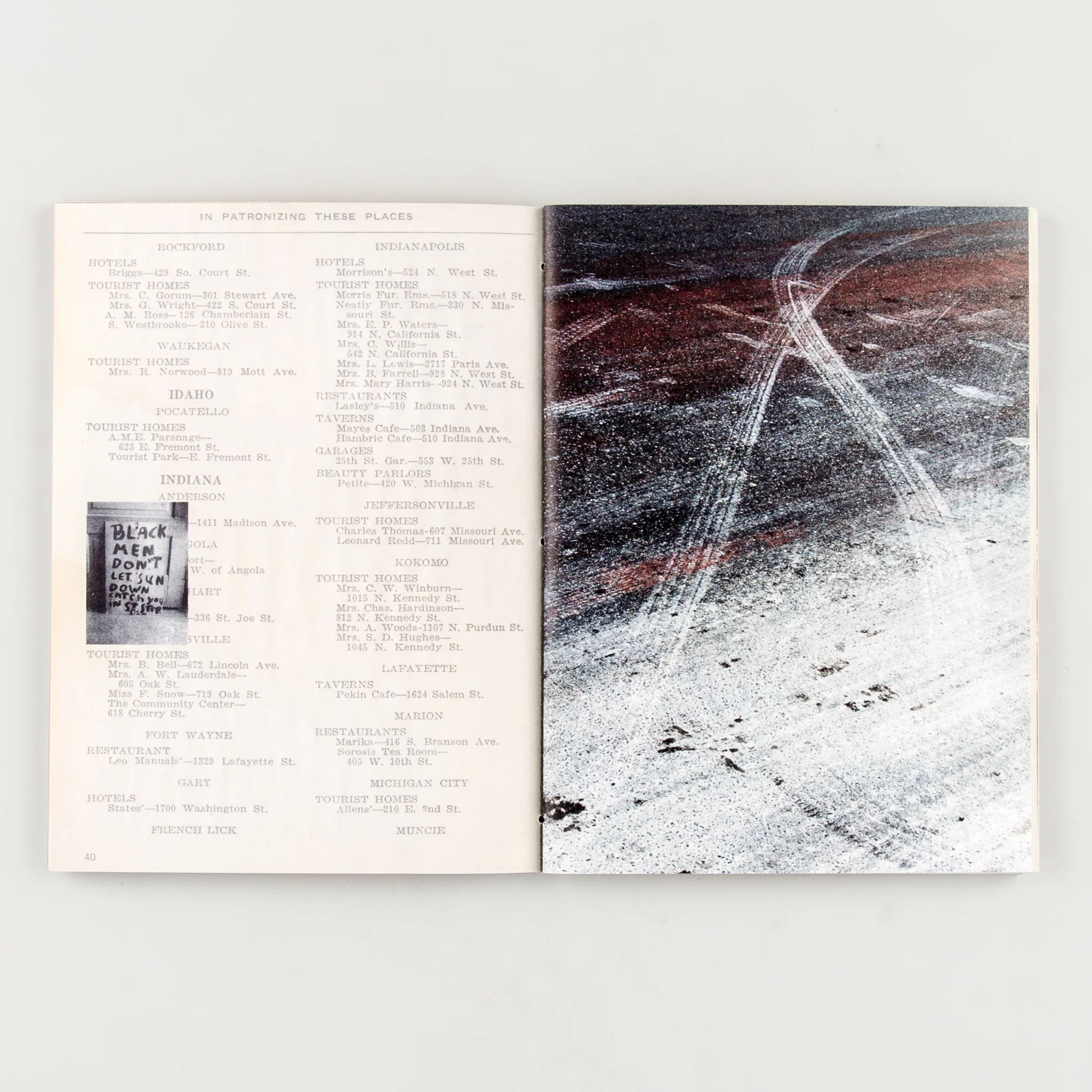
In 1936, in response to the grave dangers faced by African American travelers, New York postman Victor Green created the Negro Motorist Green Book, a practical and necessary survival guide listing safe places where Black people could eat, sleep and find services along their journey without a dreadful fear for losing their lives. The guidebook was published annually for thirty years.
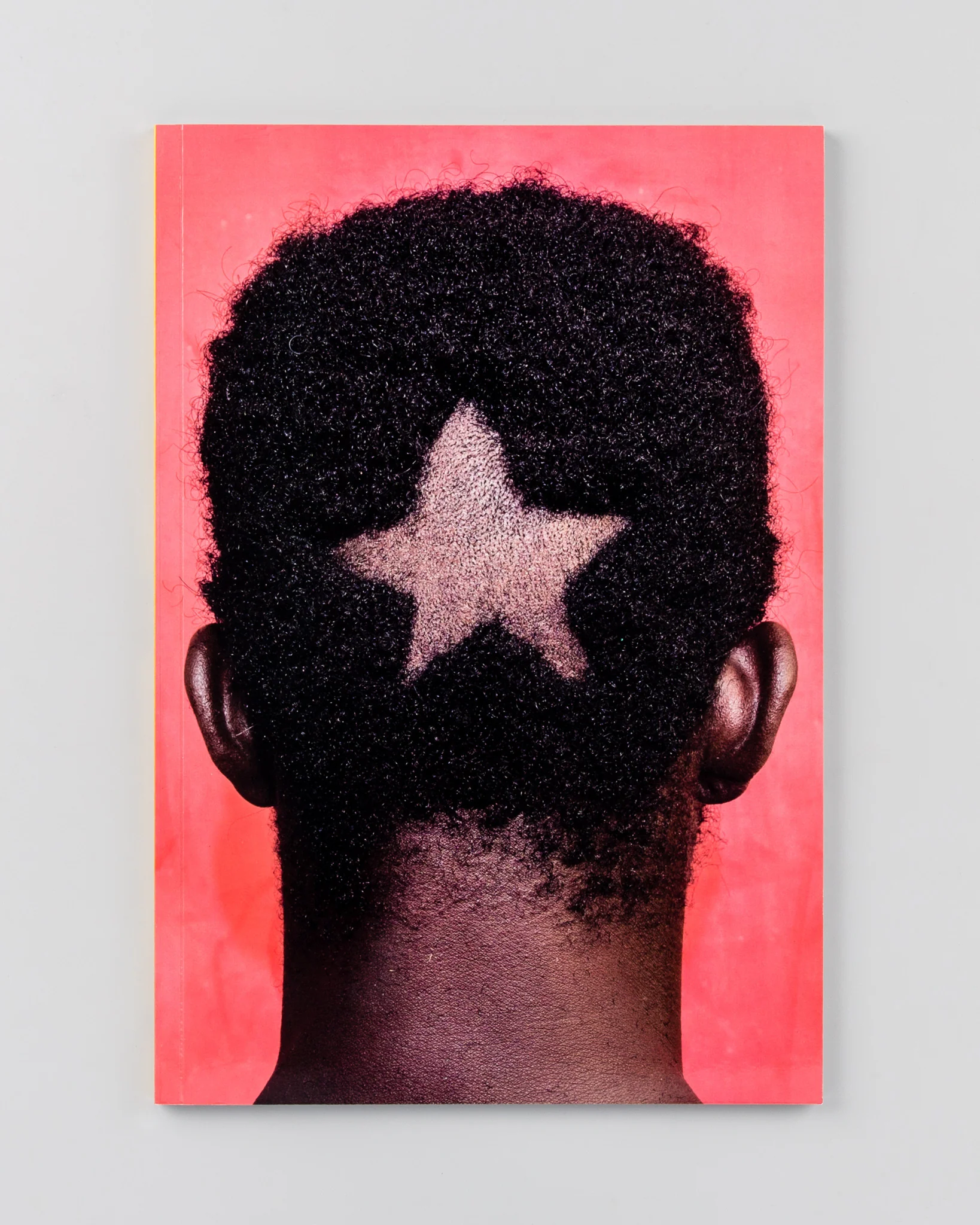
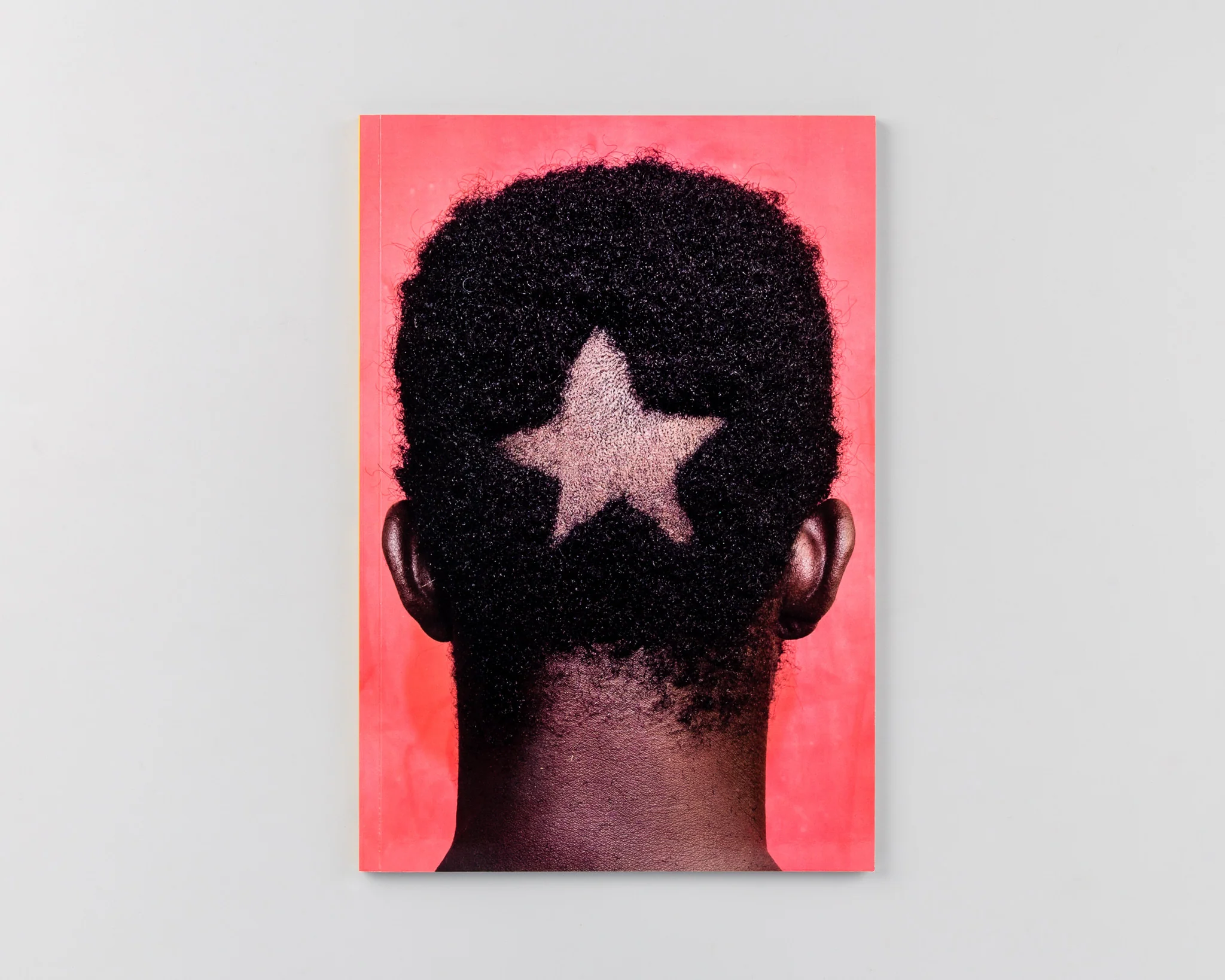
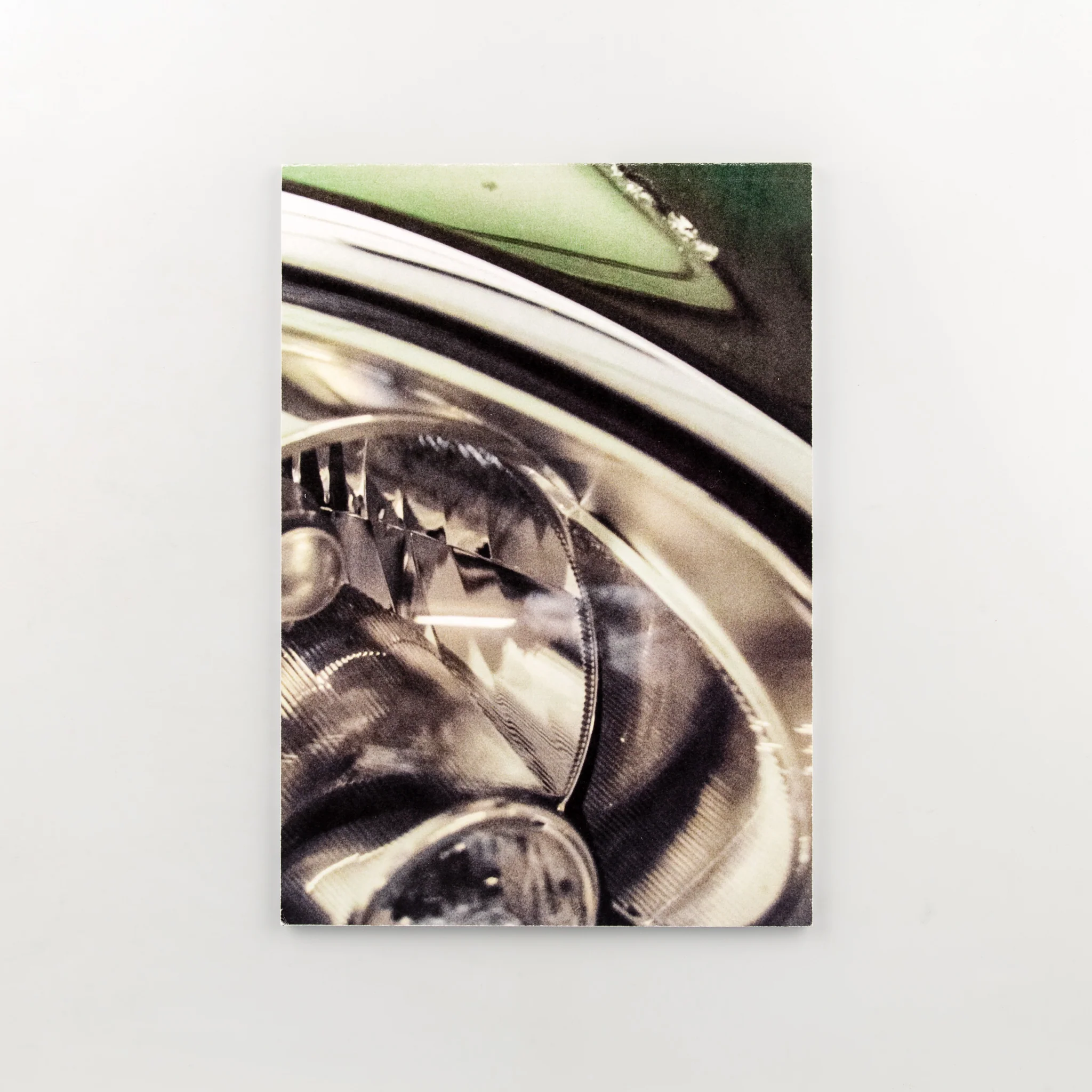
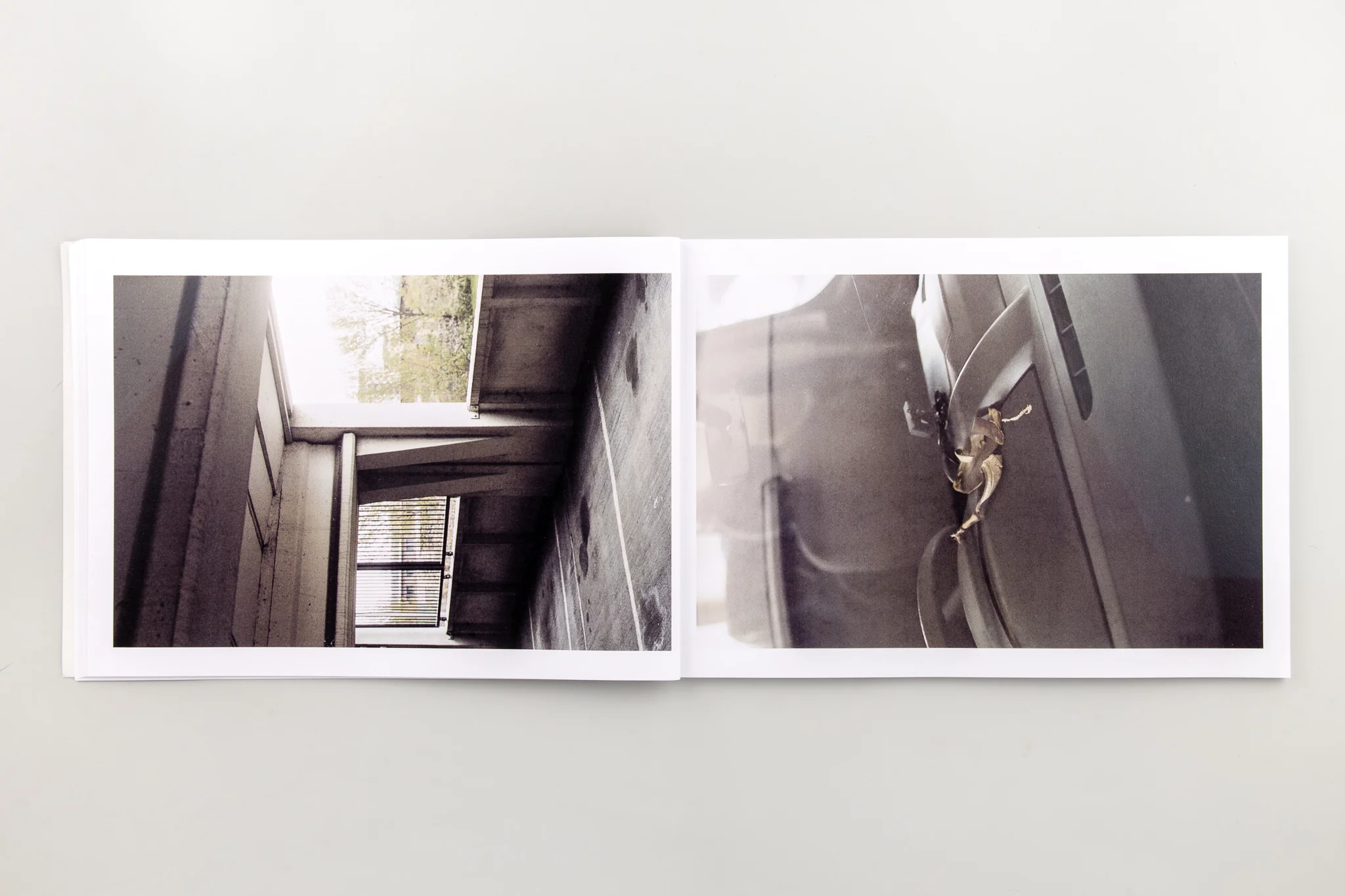
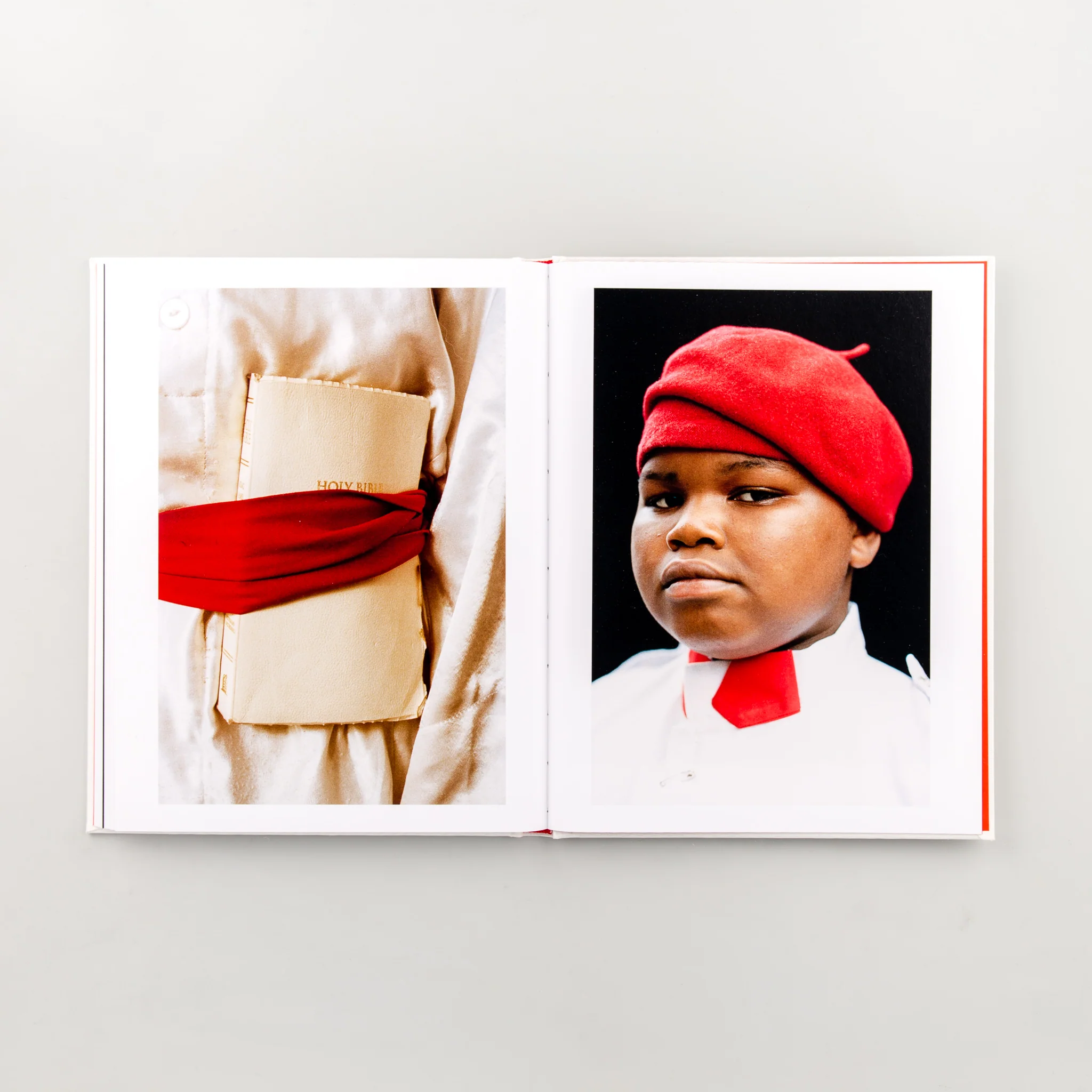
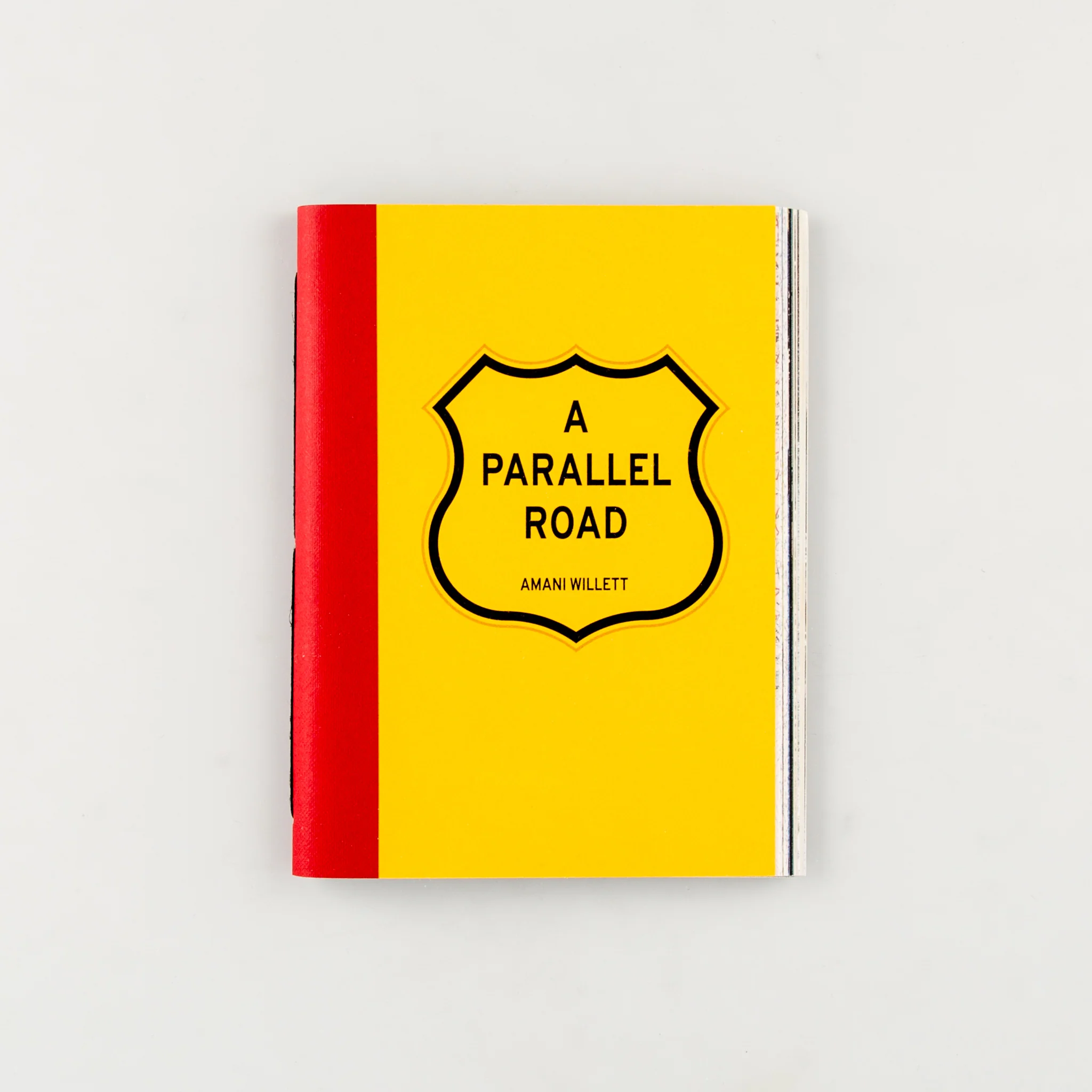
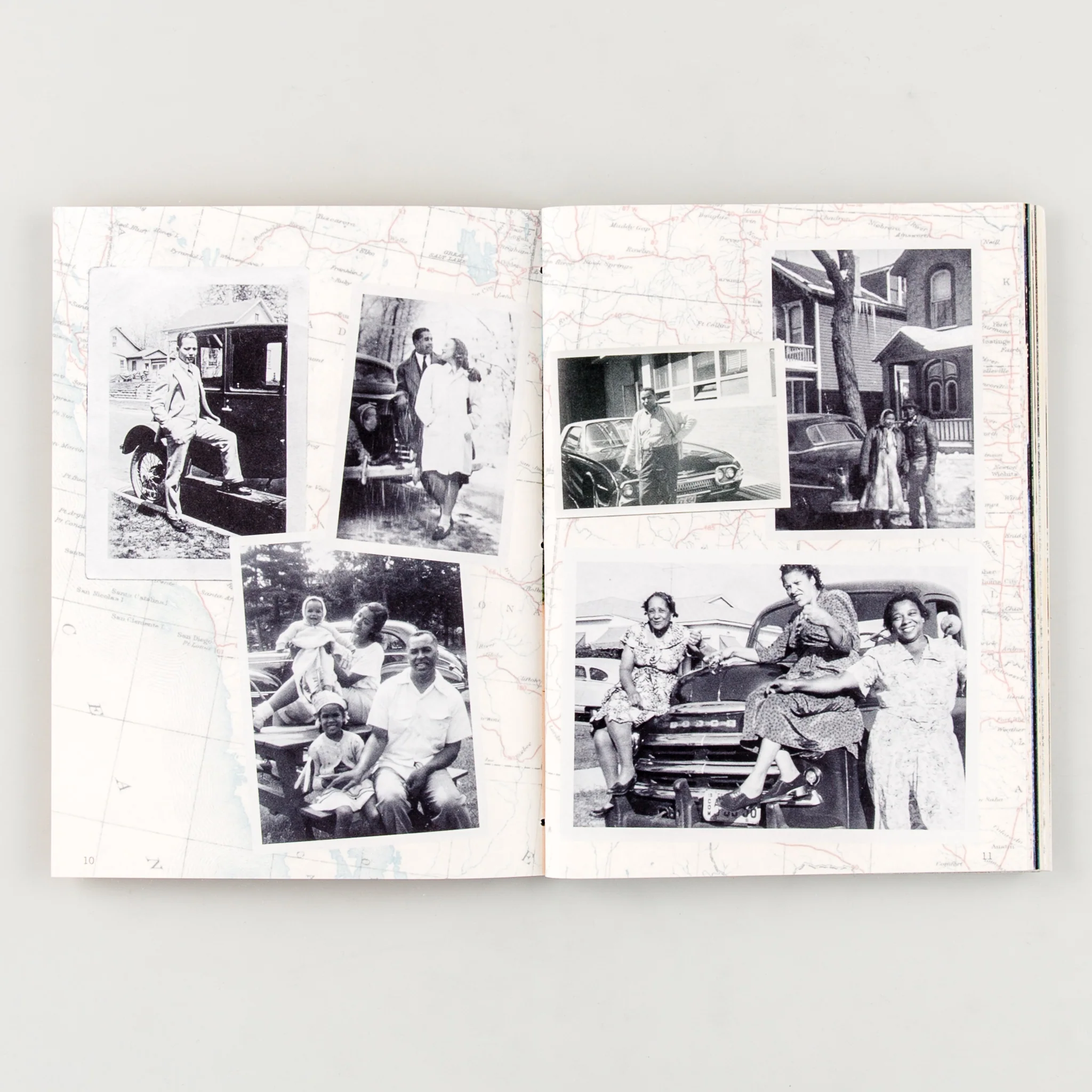
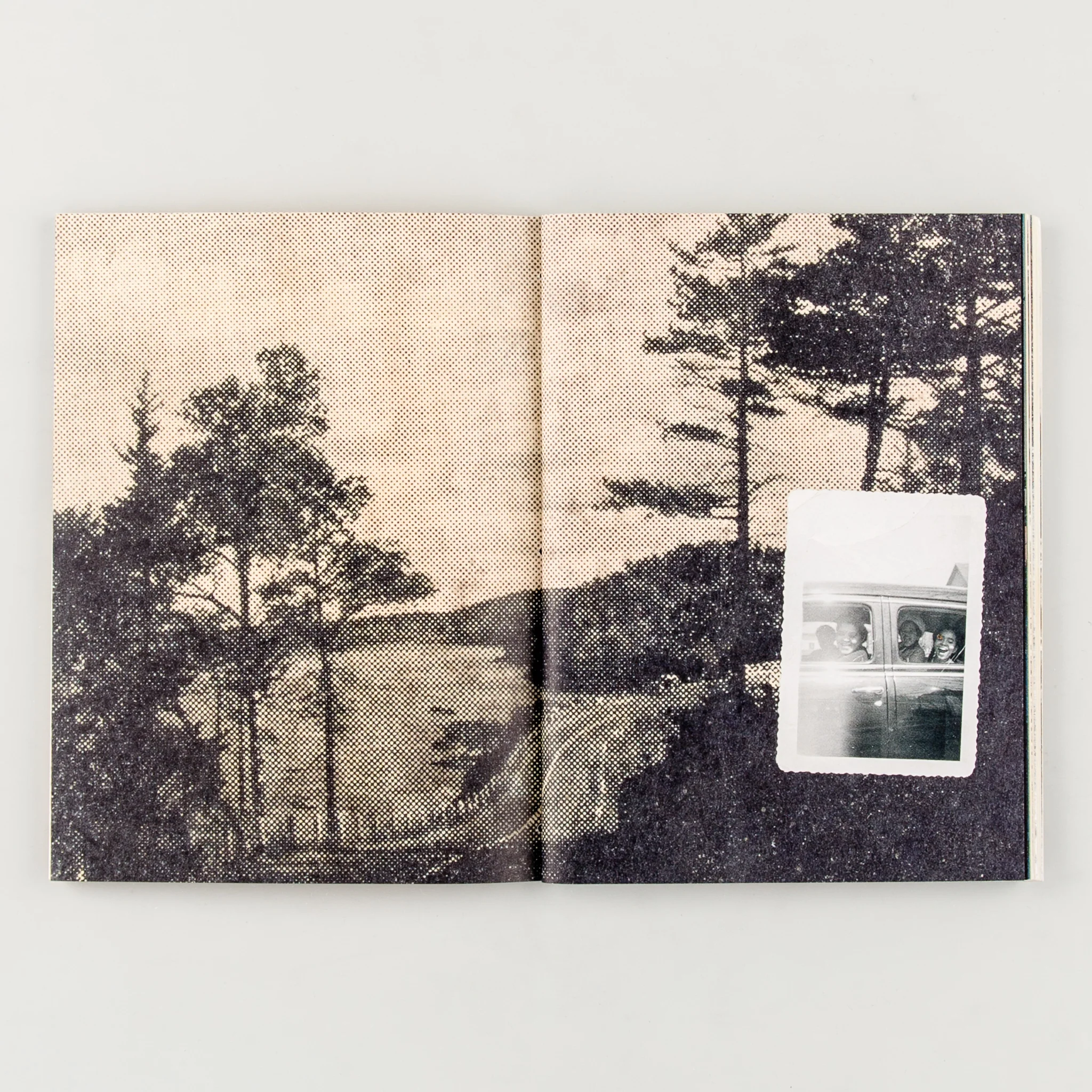
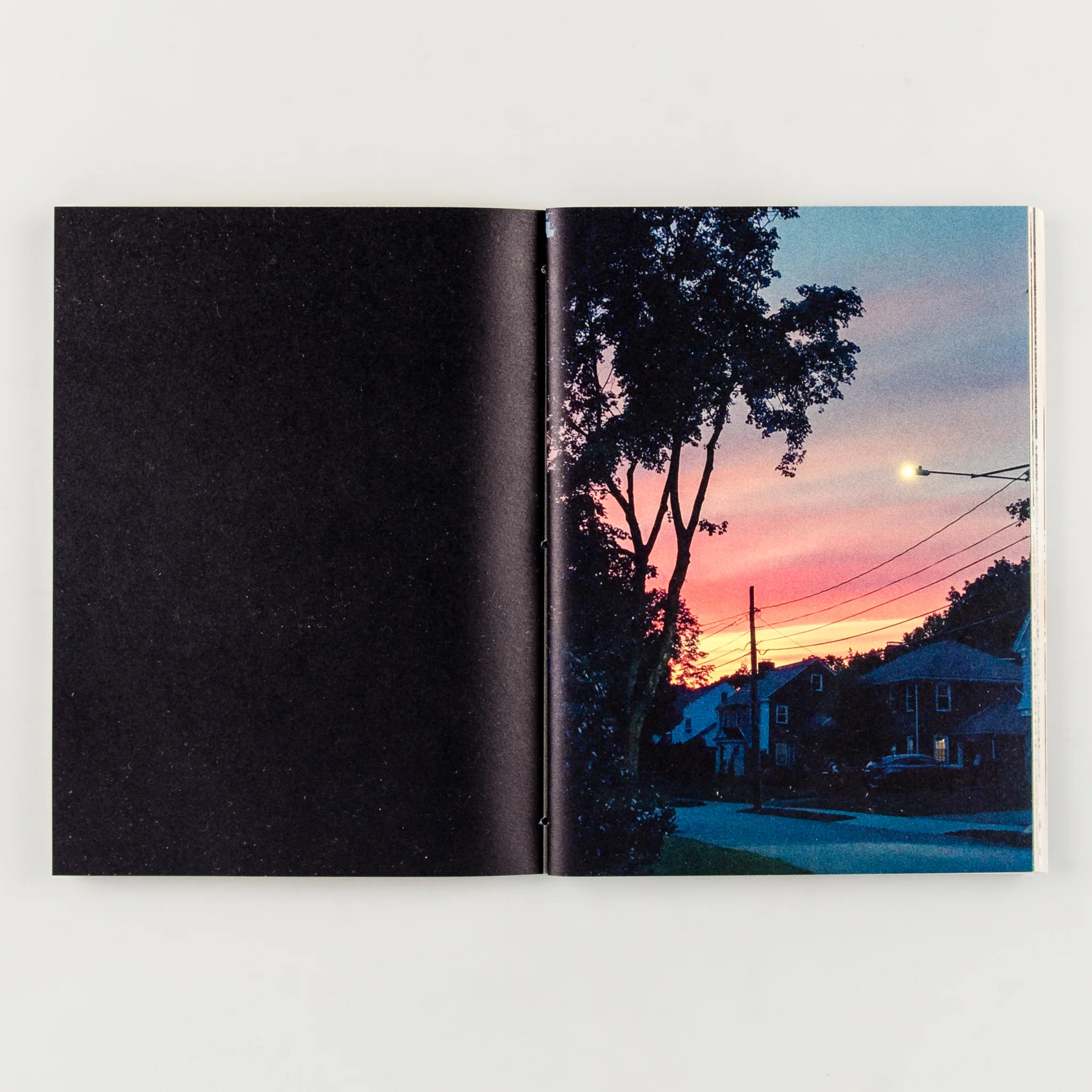
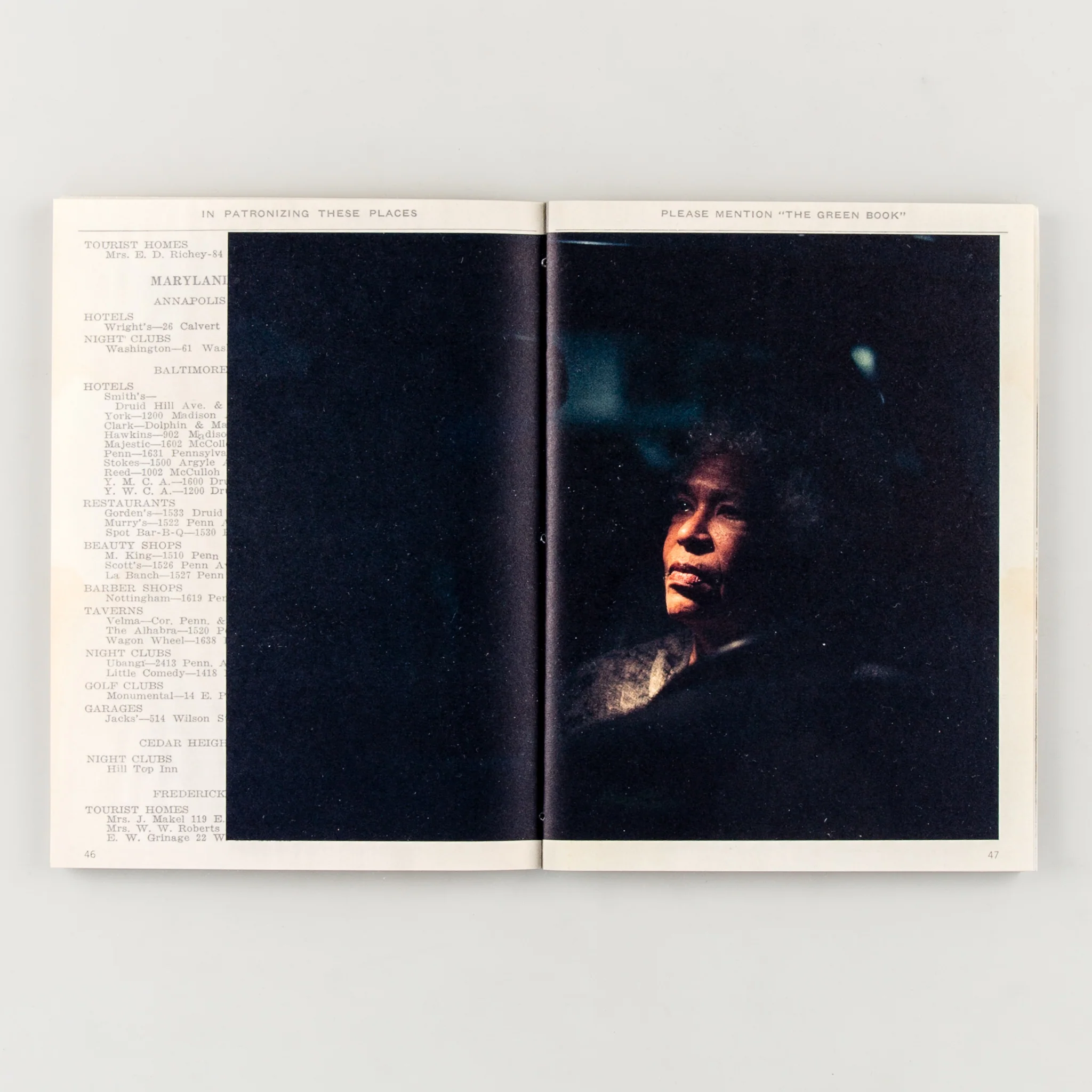
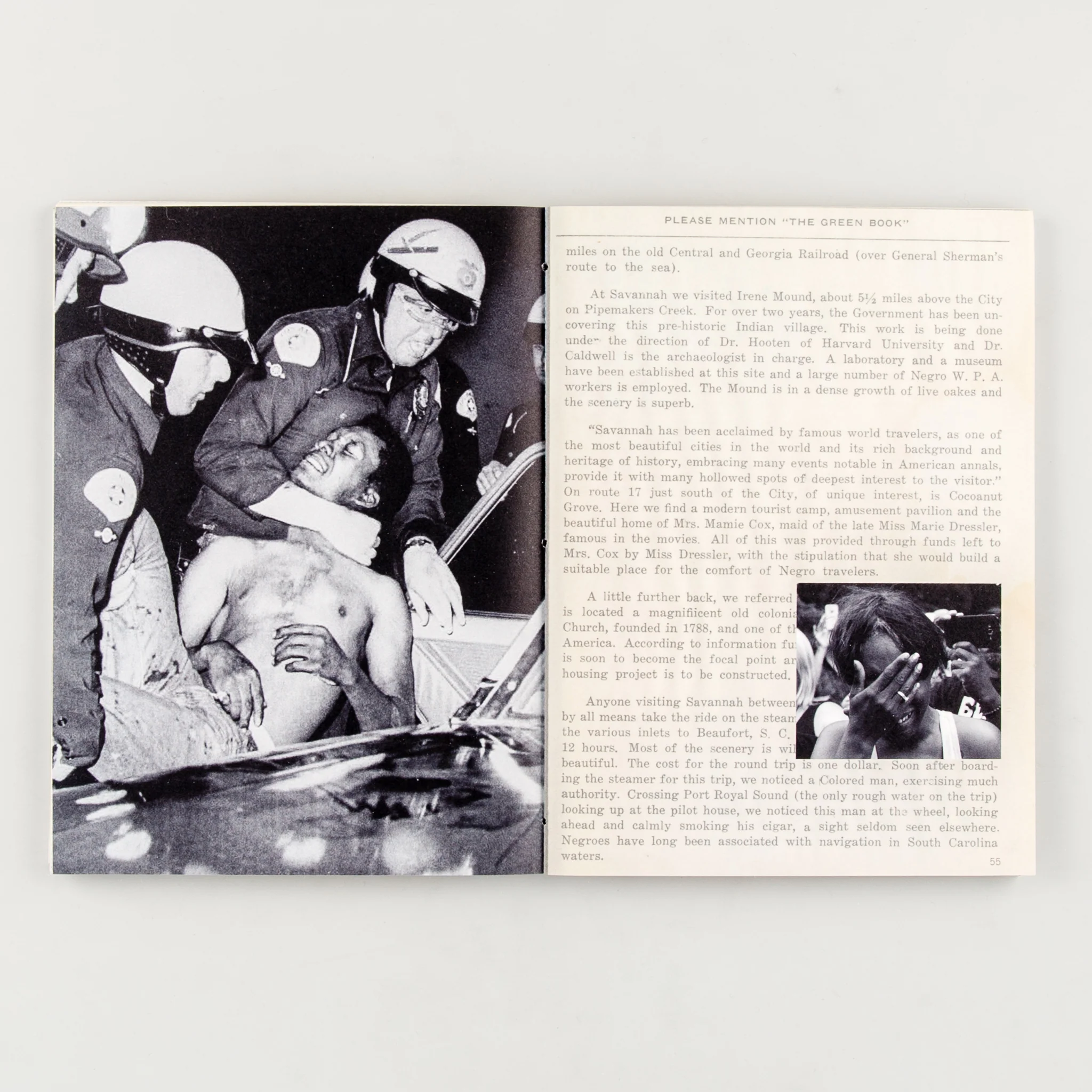
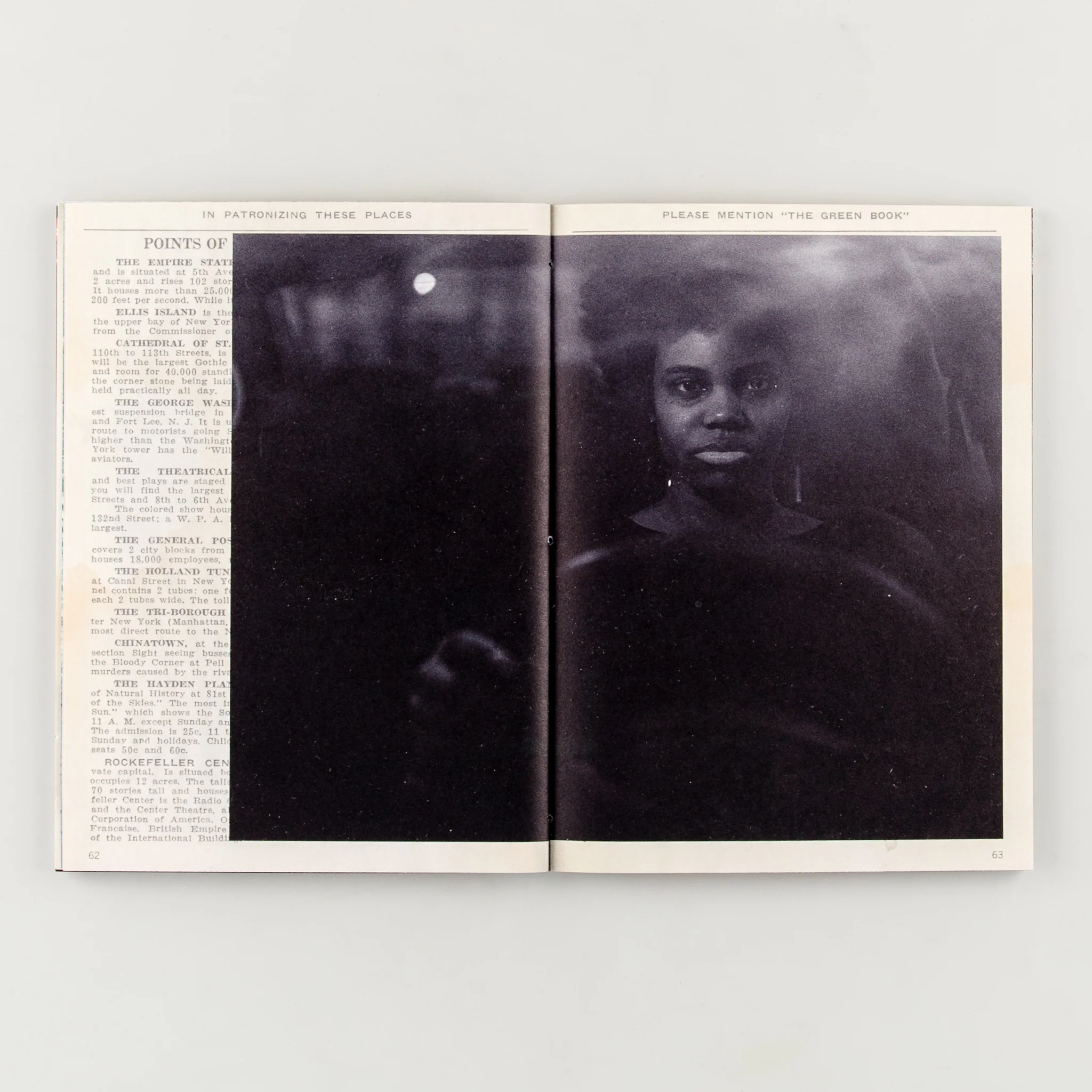
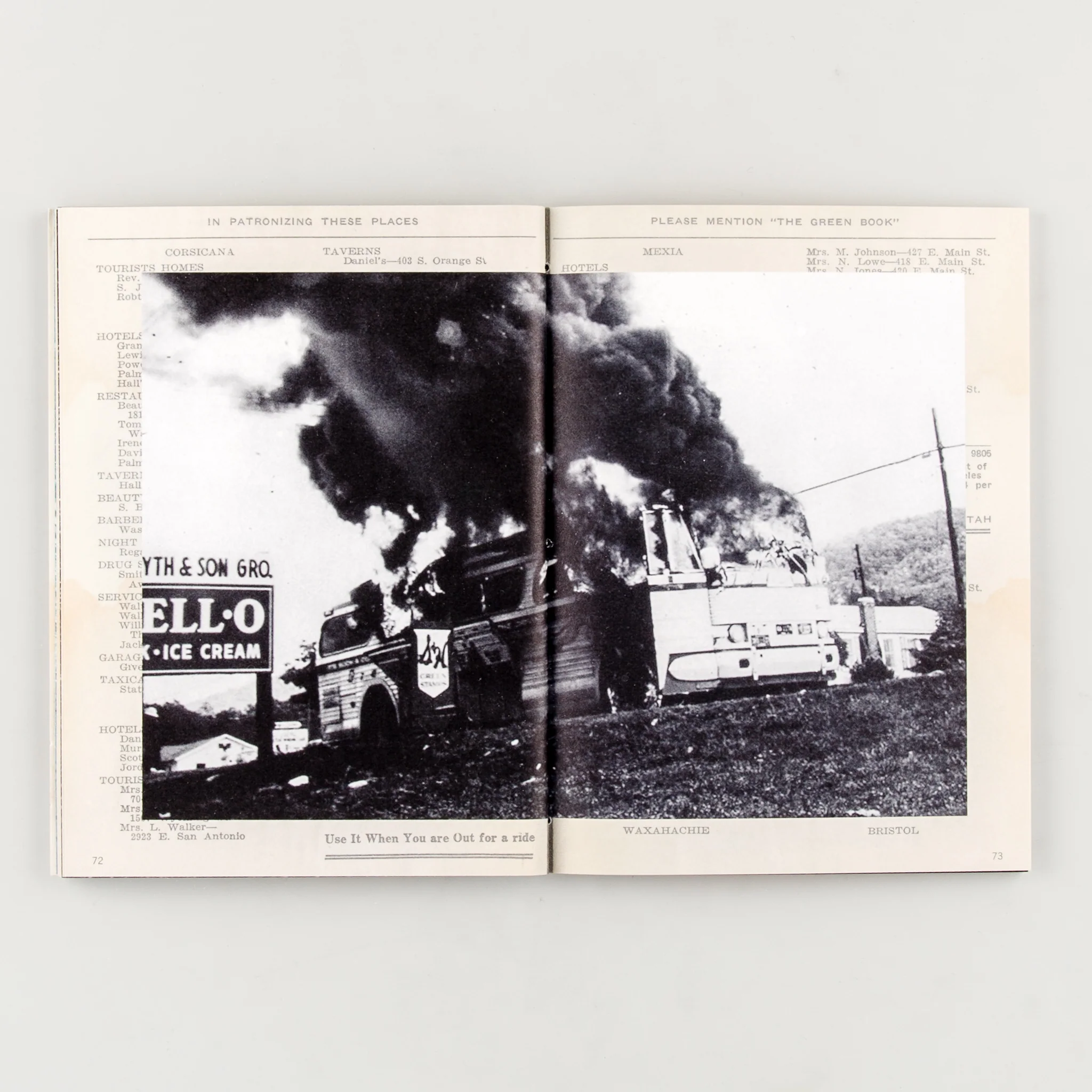
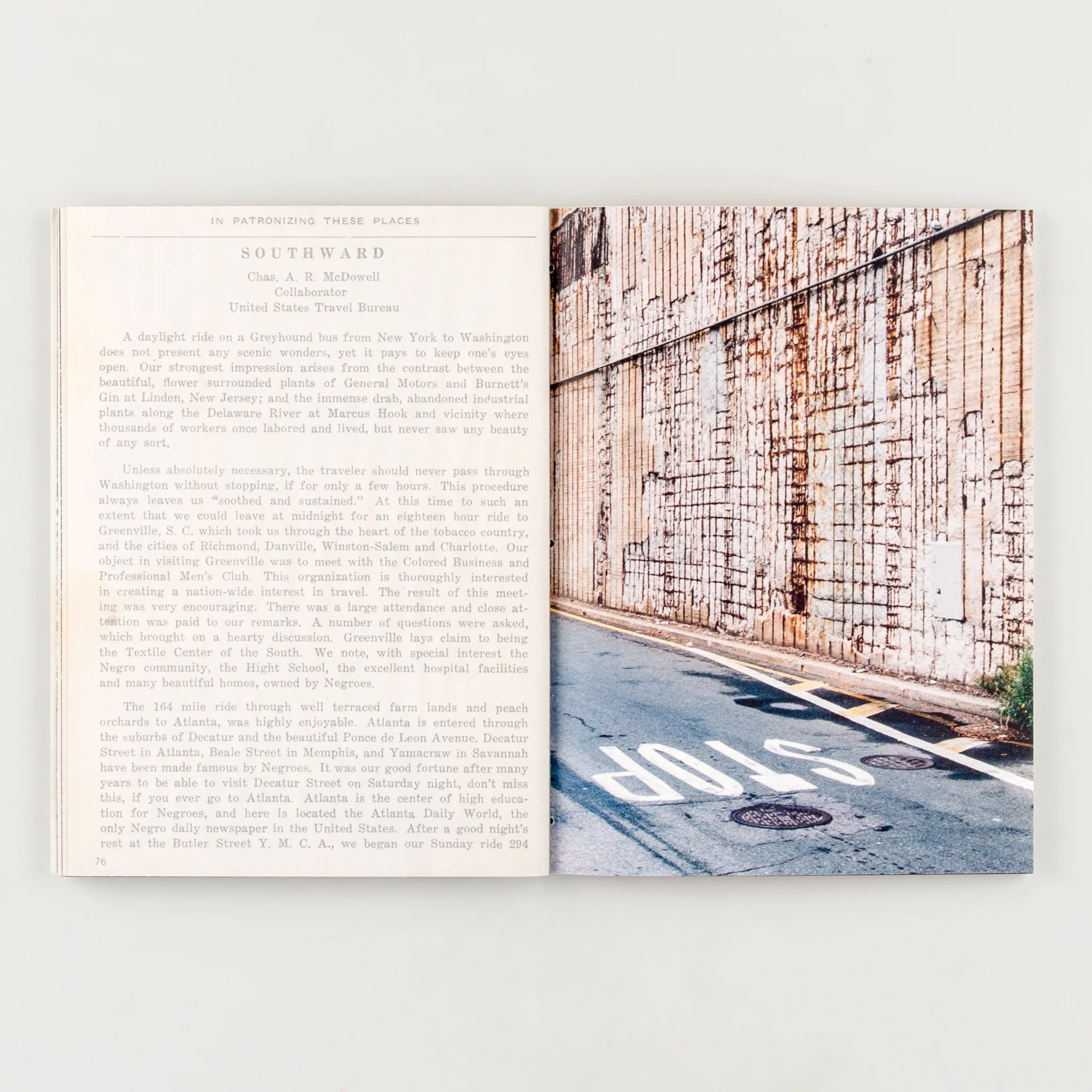
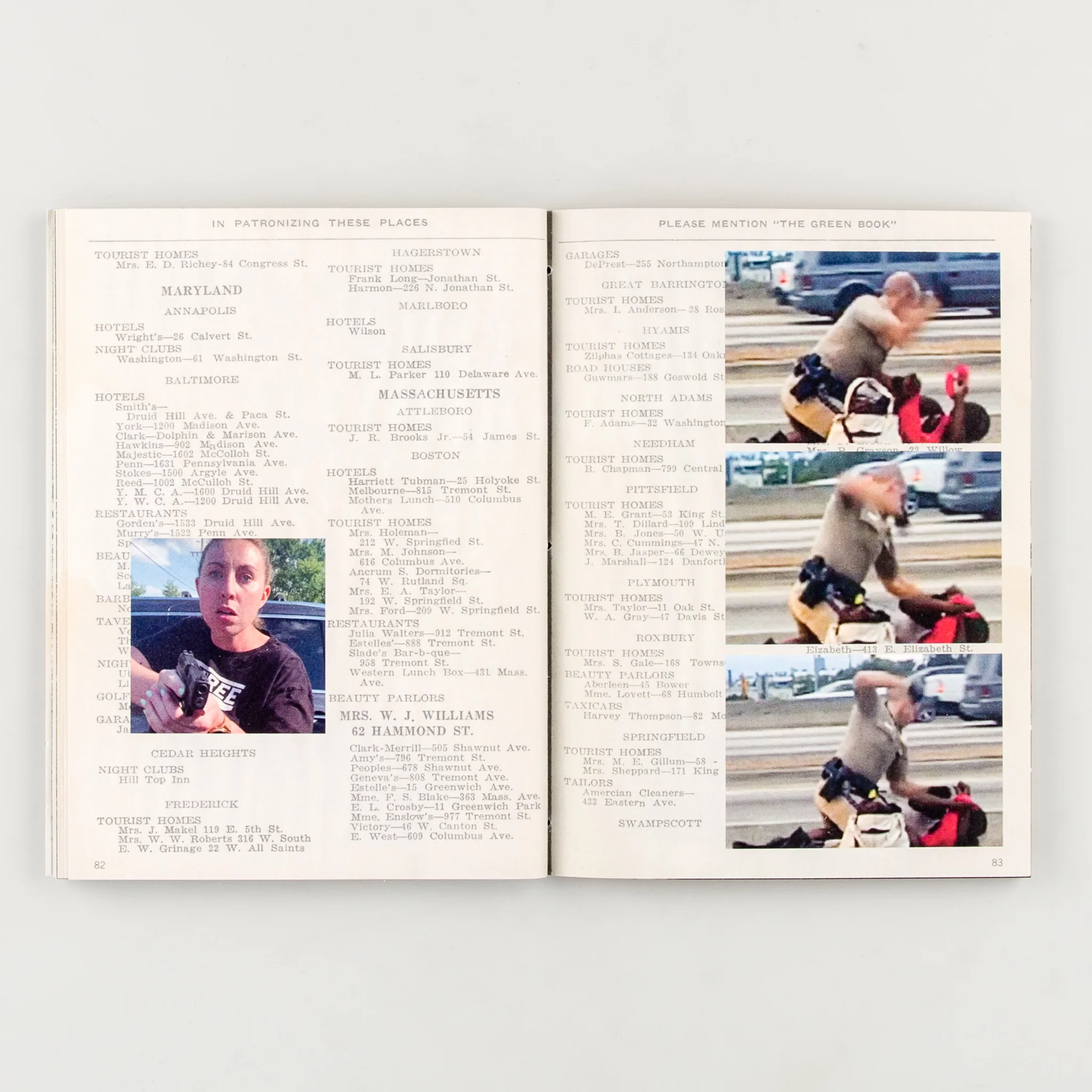
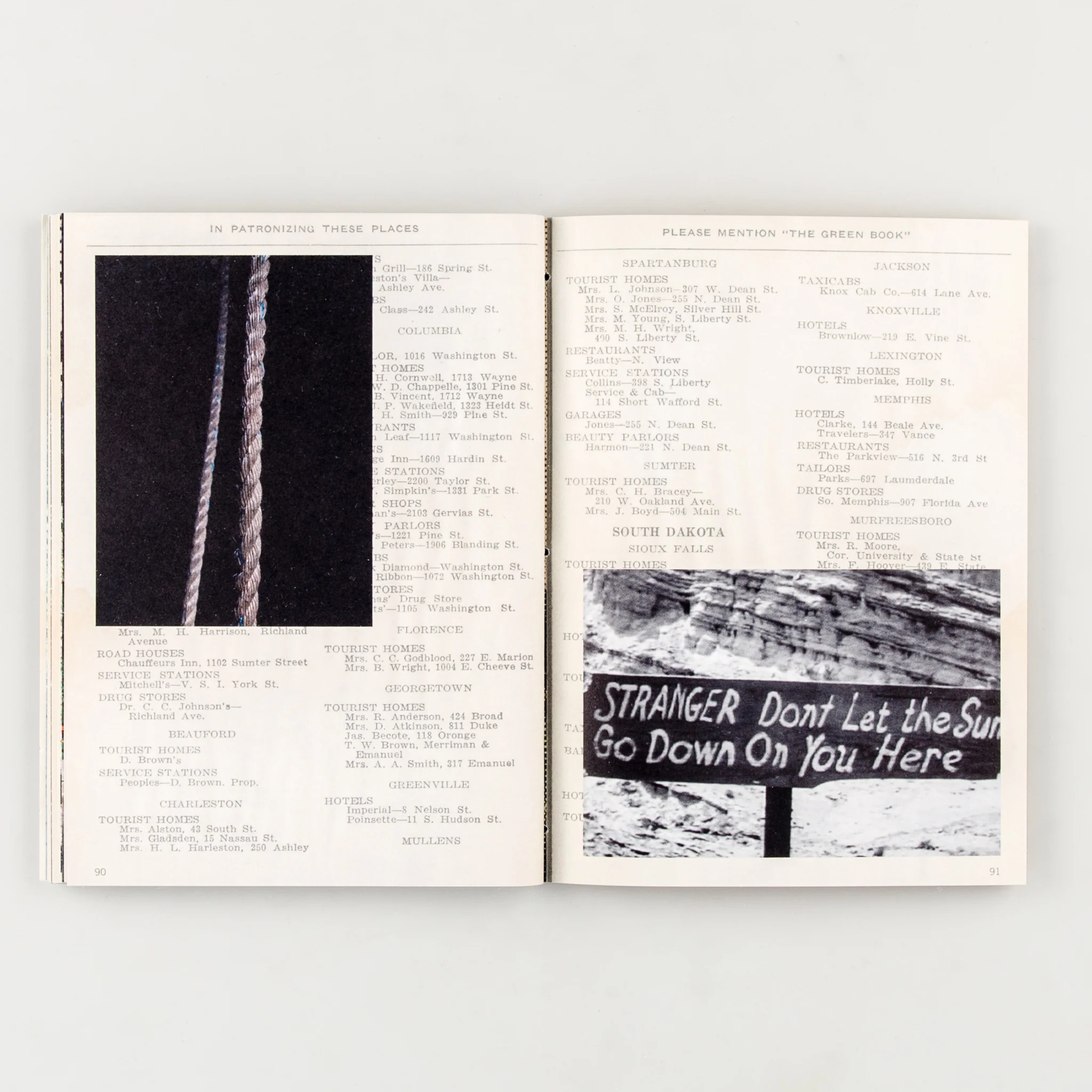
Mixing recent portraits and landscapes, digital screenshots and archival material—including pictures from Willett’s own family archive—A Parallel Road pays homage to Victor Green’s book, 84 years after it was first published, and sheds light on an experience of the road that has long been overlooked. It is produced in the same size as the original Green Book.
This nuanced and multi-layered work explores themes of history, racism, violence and Black identity in the United States, reflecting on the nation’s past and present while encouraging inclusivity and dialogue surrounding a complex and integral American story. While 54 years have passed since Green’s book ceased publication, it remains profoundly relevant in a time when the mere act of being on the road still threatens to be lethal for Black Americans.
Original: $27.18
-65%$27.18
$9.51More Images
A Parallel Road
A romantic concept of ‘The Road’ has been embraced in American popular culture since the mid-20th century. Writers, artists and photographers, many inspired by revelations surrounding the Beat Generation’s legendary road trips, have long portrayed the idea of the road as a metaphorical symbol of freedom, independence and self-discovery.
Strikingly absent from this cumulative portrait is the Black American experience of the road which is often associated with fear, violence and death rather than freedom. This stark contrast is in conflict with the promise of familial fun times that the road trip afforded to white Americans.
In 1936, in response to the grave dangers faced by African American travelers, New York postman Victor Green created the Negro Motorist Green Book, a practical and necessary survival guide listing safe places where Black people could eat, sleep and find services along their journey without a dreadful fear for losing their lives. The guidebook was published annually for thirty years.
Mixing recent portraits and landscapes, digital screenshots and archival material—including pictures from Willett’s own family archive—A Parallel Road pays homage to Victor Green’s book, 84 years after it was first published, and sheds light on an experience of the road that has long been overlooked. It is produced in the same size as the original Green Book.
This nuanced and multi-layered work explores themes of history, racism, violence and Black identity in the United States, reflecting on the nation’s past and present while encouraging inclusivity and dialogue surrounding a complex and integral American story. While 54 years have passed since Green’s book ceased publication, it remains profoundly relevant in a time when the mere act of being on the road still threatens to be lethal for Black Americans.
Product Information
Product Information
Shipping & Returns
Shipping & Returns
Description
A romantic concept of ‘The Road’ has been embraced in American popular culture since the mid-20th century. Writers, artists and photographers, many inspired by revelations surrounding the Beat Generation’s legendary road trips, have long portrayed the idea of the road as a metaphorical symbol of freedom, independence and self-discovery.
Strikingly absent from this cumulative portrait is the Black American experience of the road which is often associated with fear, violence and death rather than freedom. This stark contrast is in conflict with the promise of familial fun times that the road trip afforded to white Americans.
In 1936, in response to the grave dangers faced by African American travelers, New York postman Victor Green created the Negro Motorist Green Book, a practical and necessary survival guide listing safe places where Black people could eat, sleep and find services along their journey without a dreadful fear for losing their lives. The guidebook was published annually for thirty years.
Mixing recent portraits and landscapes, digital screenshots and archival material—including pictures from Willett’s own family archive—A Parallel Road pays homage to Victor Green’s book, 84 years after it was first published, and sheds light on an experience of the road that has long been overlooked. It is produced in the same size as the original Green Book.
This nuanced and multi-layered work explores themes of history, racism, violence and Black identity in the United States, reflecting on the nation’s past and present while encouraging inclusivity and dialogue surrounding a complex and integral American story. While 54 years have passed since Green’s book ceased publication, it remains profoundly relevant in a time when the mere act of being on the road still threatens to be lethal for Black Americans.